

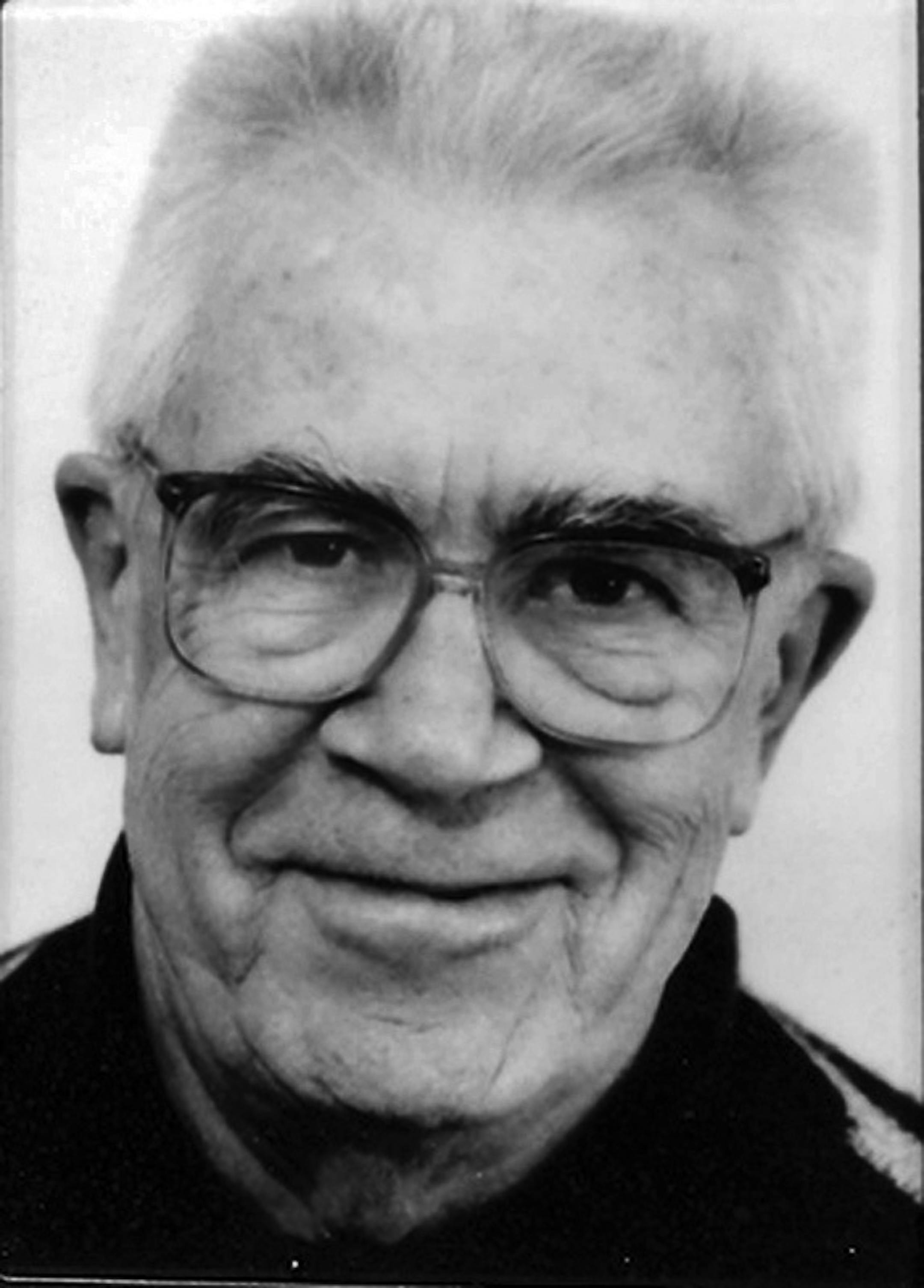
Young and healthy, Paul O'Connor drew stares as he rode the bus in Chicago during World War II, when fit men were expected to be serving in the military overseas.
What other passengers didn't know was that O'Connor was serving his nation in a top-secret mission that would change war forever.
The Manhattan Project at the University of Chicago tapped the brains of America's most brilliant scientists, including O'Connor, a junior chemist whose work helped create the atomic bomb.
A longtime professor at the University of Minnesota, O'Connor died in Minneapolis this month. He was 92.
He developed mixed views about the Manhattan Project and in 1945 joined 154 other scientists in signing a petition warning President Harry Truman of the destructive power of the bomb and urging him not to use it unless Japan refused to submit to published terms of surrender. The petition never made it to Truman, who authorized the atomic bombing of Hiroshima and Nagasaki.
"Ever since then he's been fairly opposed to nuclear weapons and nuclear power," said O'Connor's son, Mike.
After the war, O'Connor turned his skills to improving education for high school students. As with the Manhattan Project, there was a national sense of urgency.
The Soviets had embarrassed the U.S. in 1957 by launching the space satellite Sputnik, and the breakthrough raised questions about whether American math and science education was good enough.


