

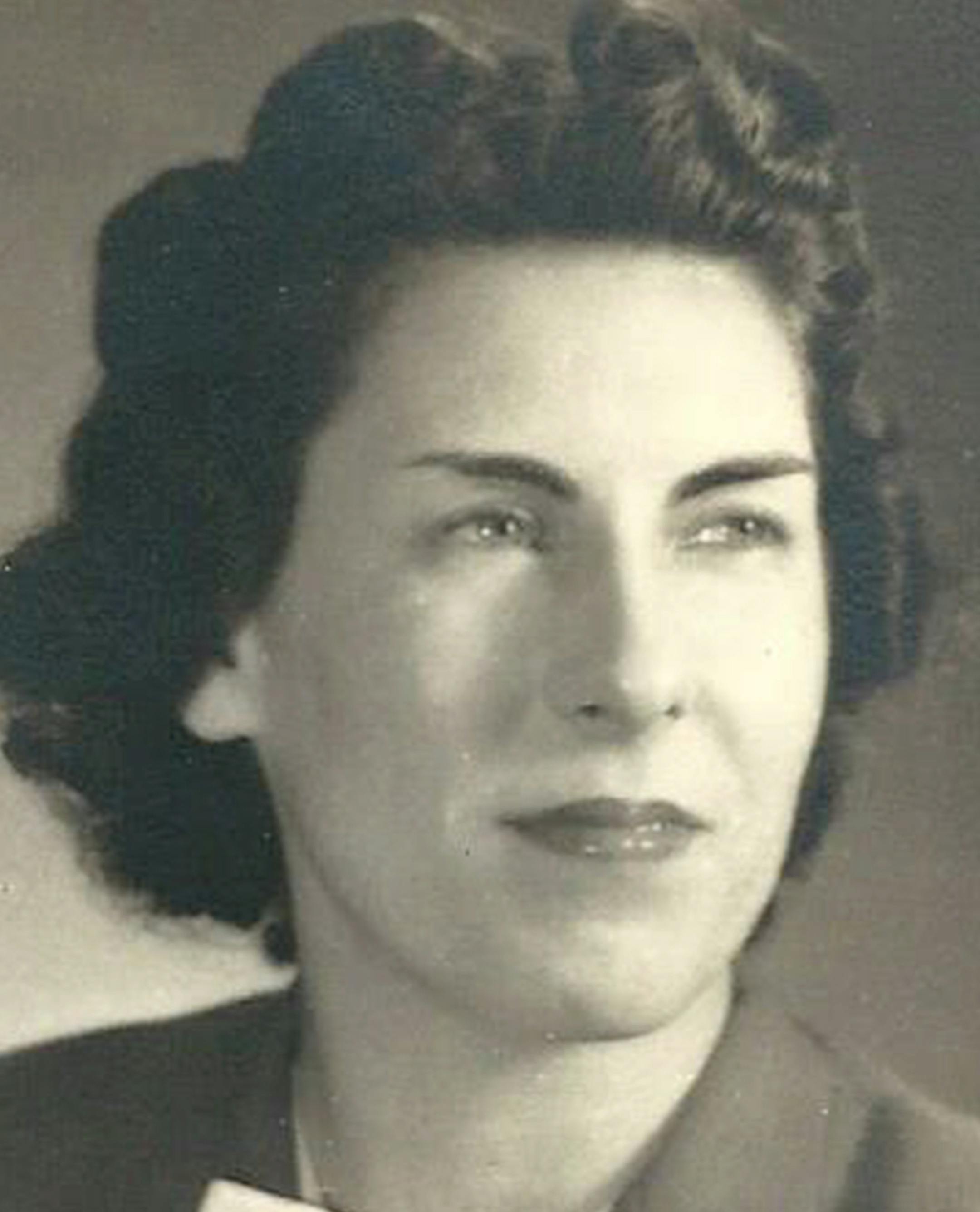
Mary E. Schneider, a pioneering social worker who traveled the Minnesota countryside in a 1935 Chevrolet, launching school lunch programs in small towns, died Dec. 26 in Minneapolis. She was 99.
At a time when women were discouraged from pursuing professional careers, Schneider earned two college degrees and became a prominent dietitian. She managed school lunch programs in outstate Minnesota and later helped create nutritious meals for Northwest Airlines in an era when airlines still had their own kitchens and prepared full meals from scratch.
Schneider, a devout Catholic and granddaughter of Irish immigrants, was also an outspoken advocate for the poor, who in her final months fought against plans to tear down an affordable housing project in the Prospect Park area of Minneapolis where she had lived for more than six decades.
"Mary was always fighting for the underdog," said her brother, James Waddick. "She had strong opinions about what was morally right and wasn't afraid to act on them."
Schneider was born in 1916, the second of four children, and grew up near Folwell Park in north Minneapolis. She attended St. Bridget's Catholic School and North High, where she became an avid tennis and piano player. On holidays, the family would gather around the piano and sing as Mary would play, "When Irish Eyes are Smiling," and other songs handed down from their grandparents.
She lived through the great influenza pandemic of 1918, and later recalled gazing out the window of her bedroom as hearses carried coffins down Fremont Avenue.
After graduating with a degree in home economics from the University of Minnesota, Schneider became manager of school lunch programs in outstate Minnesota. At the time, rural schools were part of a pioneering effort by the federal Works Progress Administration (WPA) to feed thousands of schoolchildren with fresh vegetables picked from local gardens.
When her longtime sweetheart, Wilford, returned from serving overseas in World War II, Schneider married and stayed home to raise five children. For a brief while, the couple was stationed at a U.S. Navy ammunition base in the Nevada desert, a base so remote that wives made curtains out of military shirts, she later recalled. Years later, at age 52, she returned to the U and earned a second degree in social work, then worked for the Minneapolis schools until she retired at age 70.


