

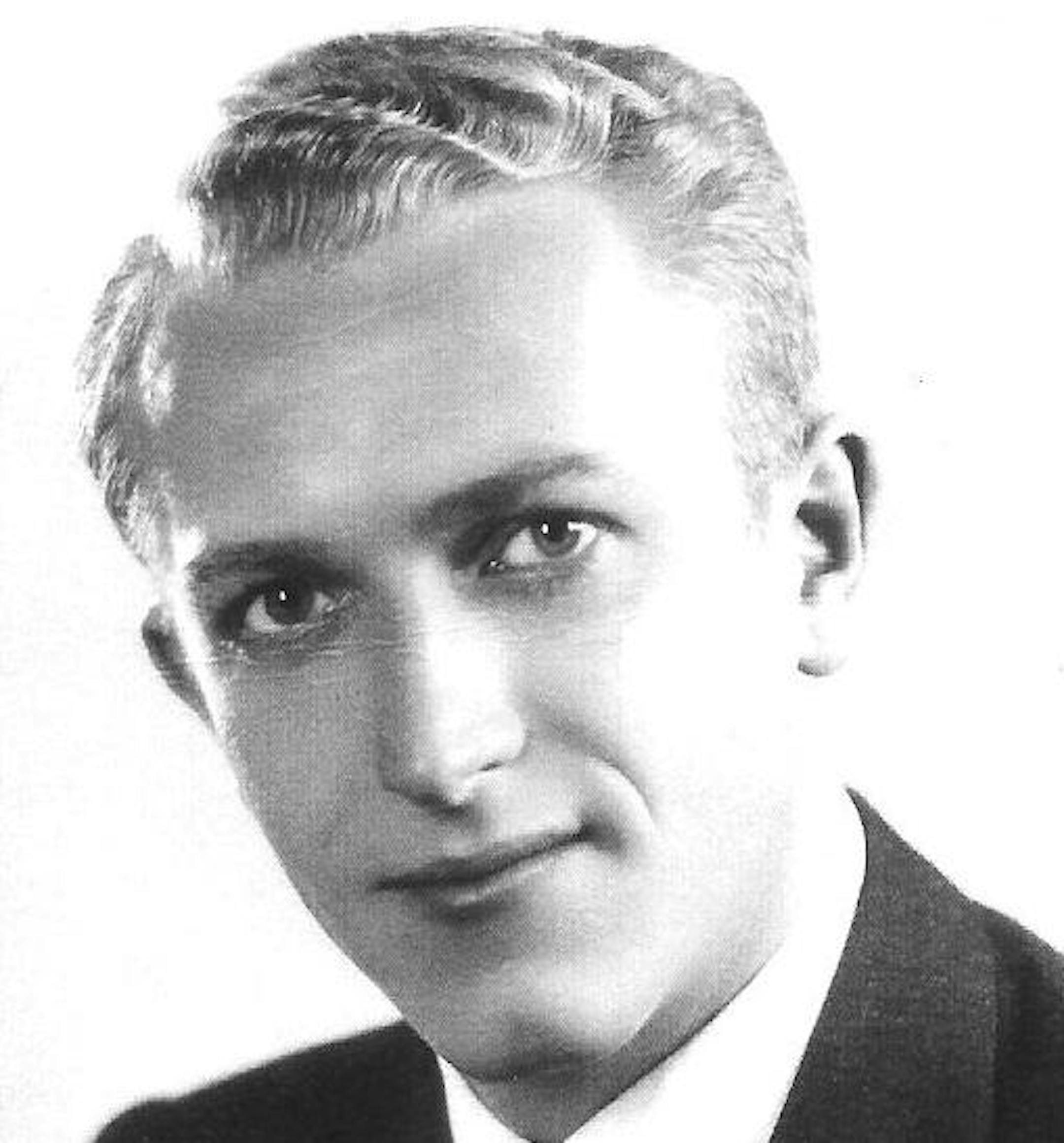
Jorgen Viltoft, who as a teenager fought the Nazis with the Danish resistance and as an adult emigrated to America and became a successful businessman, died of cancer Feb. 10 at the home in Orono where he had lived since 1971. He was 88.
Viltoft was born in Copenhagen in 1925. His father was a hotel and restaurant manager, and by age 14, Jorgen was working with him as an apprentice cook, said his son, Steven, of Wayzata.
In April 1940, the Nazis invaded Denmark, and in 1942, his father died. His mother channeled her grief into work with the Danish resistance, smuggling spies and Jewish refugees in and out of Denmark, using the family's country home near Copenhagen.
Jorgen, just 17, joined the Danish Royal Guard, wearing its signature bearskin at official ceremonies and secretly working with the Resistance and his mother. "Dad once told me that they had so many explosives stored in their country home that if someone had dropped a match, there would have been a huge crater," Steven said.
Because the Germans used Copenhagen for R&R, British intelligence asked insurgents to find out what units were in Denmark at what time, so they could configure troop movements, Steven said. "One day my dad and a woman Resistance member were at Tivoli Gardens, trying to record the insignia on German uniforms, when a sentry yelled, 'Halt!' They ran and were shot at, and the woman was hit in the leg. Dad went back to help her, and they hauled him away."
It was 1944. The Gestapo repeatedly tortured the 19-year-old, hauling him before firing squads, blindfolding him and then firing blanks, his son said. Real execution was imminent when a colonel with whom his family had a connection arranged for his quiet release.
The war was nearing an end. In 1945, the British bombed the Shellhus, which housed both Gestapo officers and political prisoners. "My dad told me that a Resistance fighter grabbed a box of index cards as he fled the ruins, and in it was the name of every collaborator in Denmark," Steven said. "Within a week, they were all dead."
After the war, Viltoft decided to leave his native land, his son said. "You can go to a very dark place if so many bad things happen to you and you can't escape them, so he wanted a new life," he said.


