

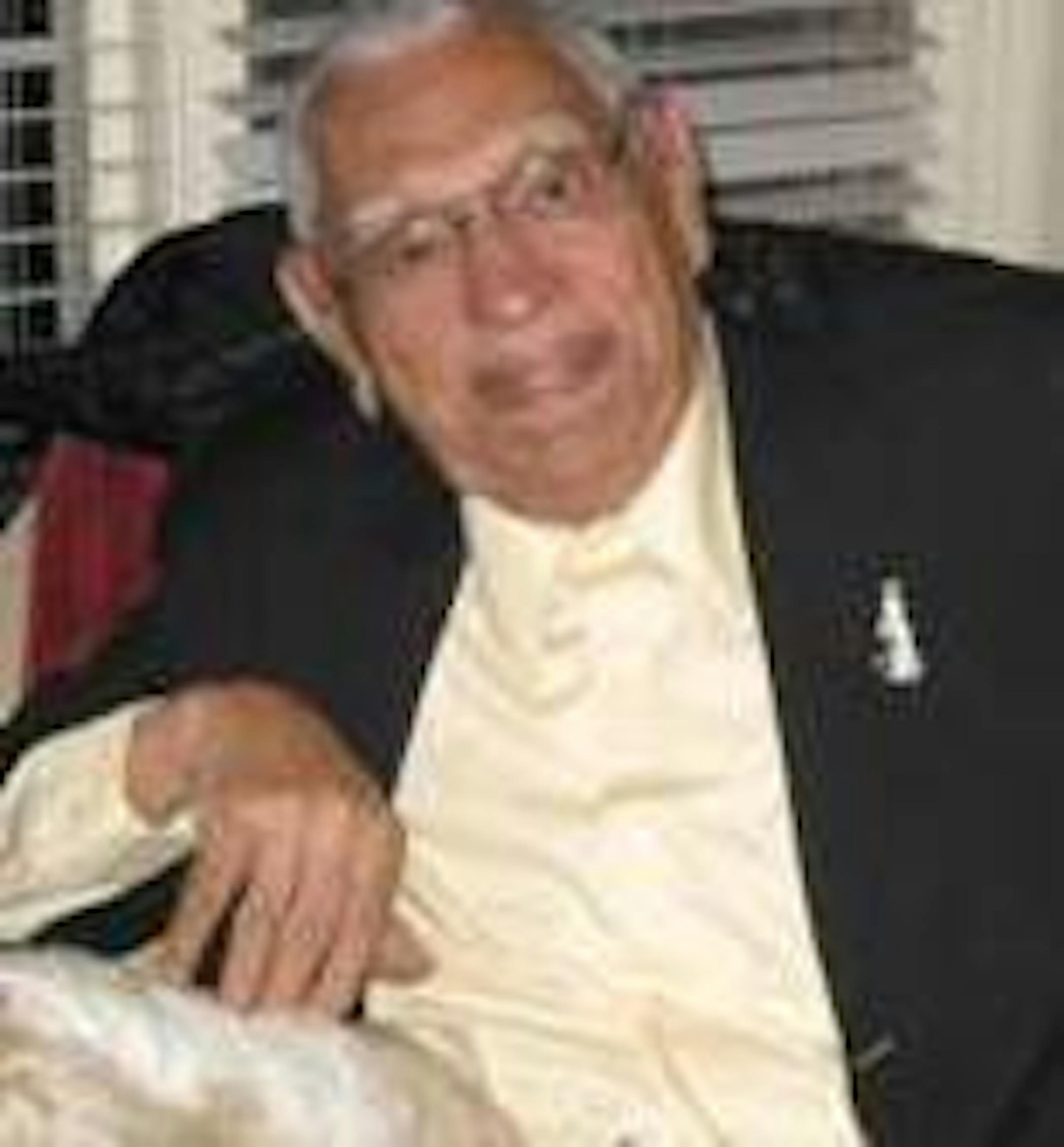
Mehdi Eftekhari was among the nearly lost generation of professionals who built modern-day Iran, providing counsel for the nation's first telephone service, first electrical grid, first system of dams — and in the process meeting top international dignitaries who visited Iran from the 1940s through 1970s.
The attorney, who moved to Minnesota in 2000 to be with his children, later helped fragile Iranian children get surgeries in Minnesota through the Foundation for Children of Iran. A scholarship in his name was recently established at the University of Minnesota Law School.
Eftekhari, 93, died Aug. 16, but not before seeing life come full circle. His grandson appeared in the Academy Award-winning movie "Argo," which tells the story of U.S. hostages being freed in post-revolutionary Iran.
"My father met nearly every great Iranian statesman of his generation, and virtually every foreign statesman, through 1979," said his daughter Nazie Eftekhari, referring to the year that launched the Iranian revolution and its fundamentalist Islamic nation.
"He saw the Allied occupation of Iran to revolutionary war: He saw Iran go from a 'backward country' to an aspiring nuclear state," she said. "To have spanned that all in one lifetime!"
Eftekhari was born July 9, 1920, to a wealthy banking family in Tehran. He served in the armed forces from 1942 to 1945. He earned degrees in economics and law from the University of Tehran, later marrying Homa Arbab. They would be married for 62 years.
The young lawyer came of age as Iran was becoming a developed nation. He provided legal counsel to government officials in Tehran as they forged contracts to build some of the great public works projects, said Nazie Eftekhari.
Nazie Eftekhari remembers a story her father told about the contract with a German firm to build Iran's first telephone system. The Germans wanted Iran phone numbers to have seven digits; Iran wanted just 4, thinking that was plenty.


