

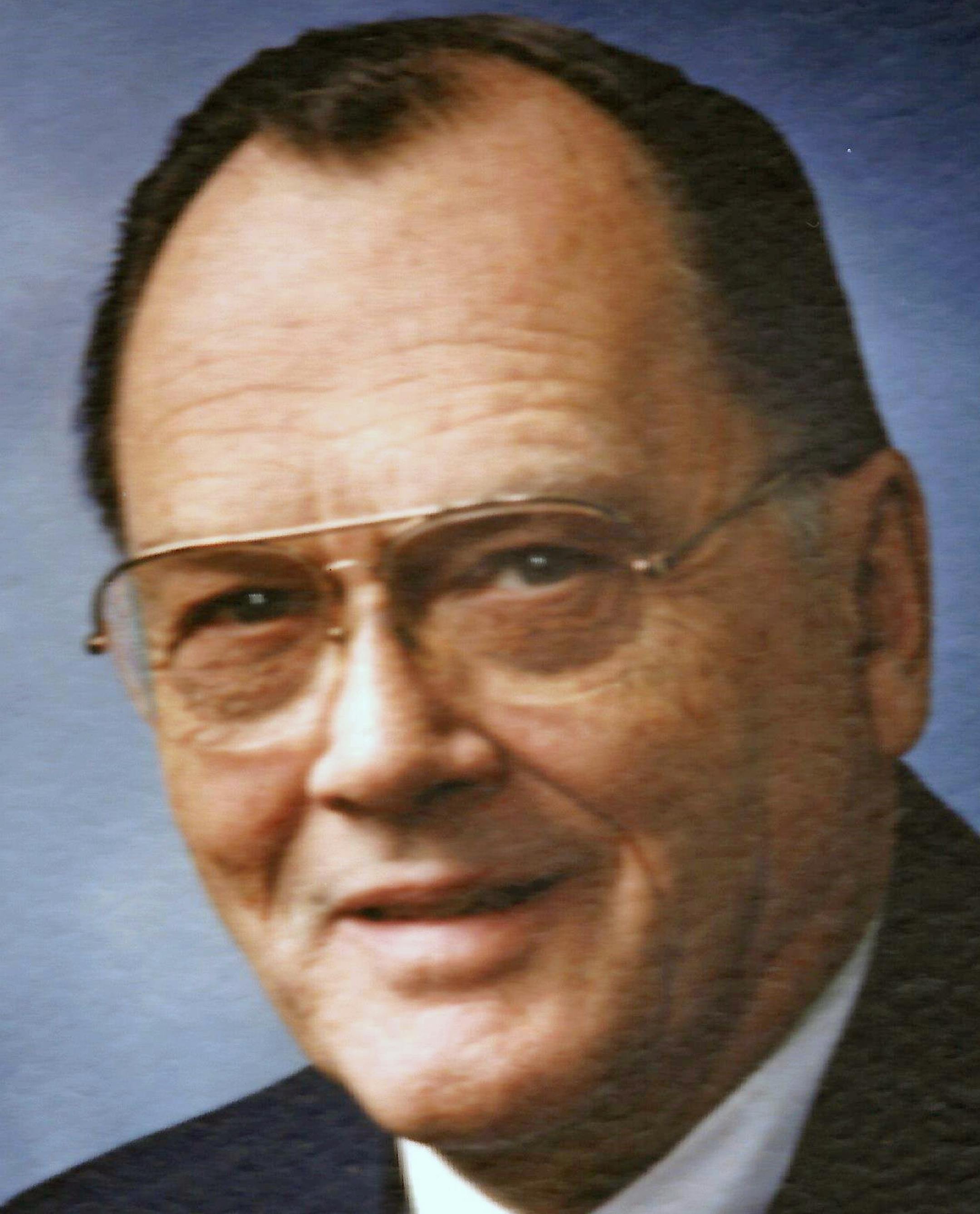
Dr. Thomas E. Johnson practiced in the early days of what many doctors regard as a revolution in patient care.
Back in the 1960s, Johnson was among physicians who helped take into private practice a new medical specialty eventually called interventional radiology.
Unlike doctors who operate through "open" surgical incisions, interventional radiologists perform "minimally invasive" procedures in which doctors use technology to visualize the circulatory system and guide catheters to hard-to-reach treatment sites in the body.
After Johnson, 86, of Oakdale, died April 2, friends and family recalled the physician's generous nature, his leadership at two St. Paul hospitals and his contributions to medicine.
"They were making their own catheters at that time," recalled Dr. Allen Bergh, a retired physician in Woodbury who worked with Johnson at St. Paul Radiology, a large private practice in the east metro.
"They would get the raw material for the catheters, the tubes, and then they would shape them and do different things in order to guide them where they wanted to in the body," Bergh said. "As time went on, that now is all being done by large companies."
Johnson was born in La Crosse, Wis. He always was interested in science, recalled his wife, Ann Johnson, and knew from age 14 that he wanted to be a physician.
Johnson earned a bachelor of science degree from the University of Nebraska, where he also received his medical degree. He served as a captain in the U.S. Air Force Medical Corps until 1957, his family said, before completing a fellowship in radiology at the University of Minnesota. Among his mentors at the U was Dr. Kurt Amplatz, who went on to create a company that developed devices for use in minimally invasive procedures.


