

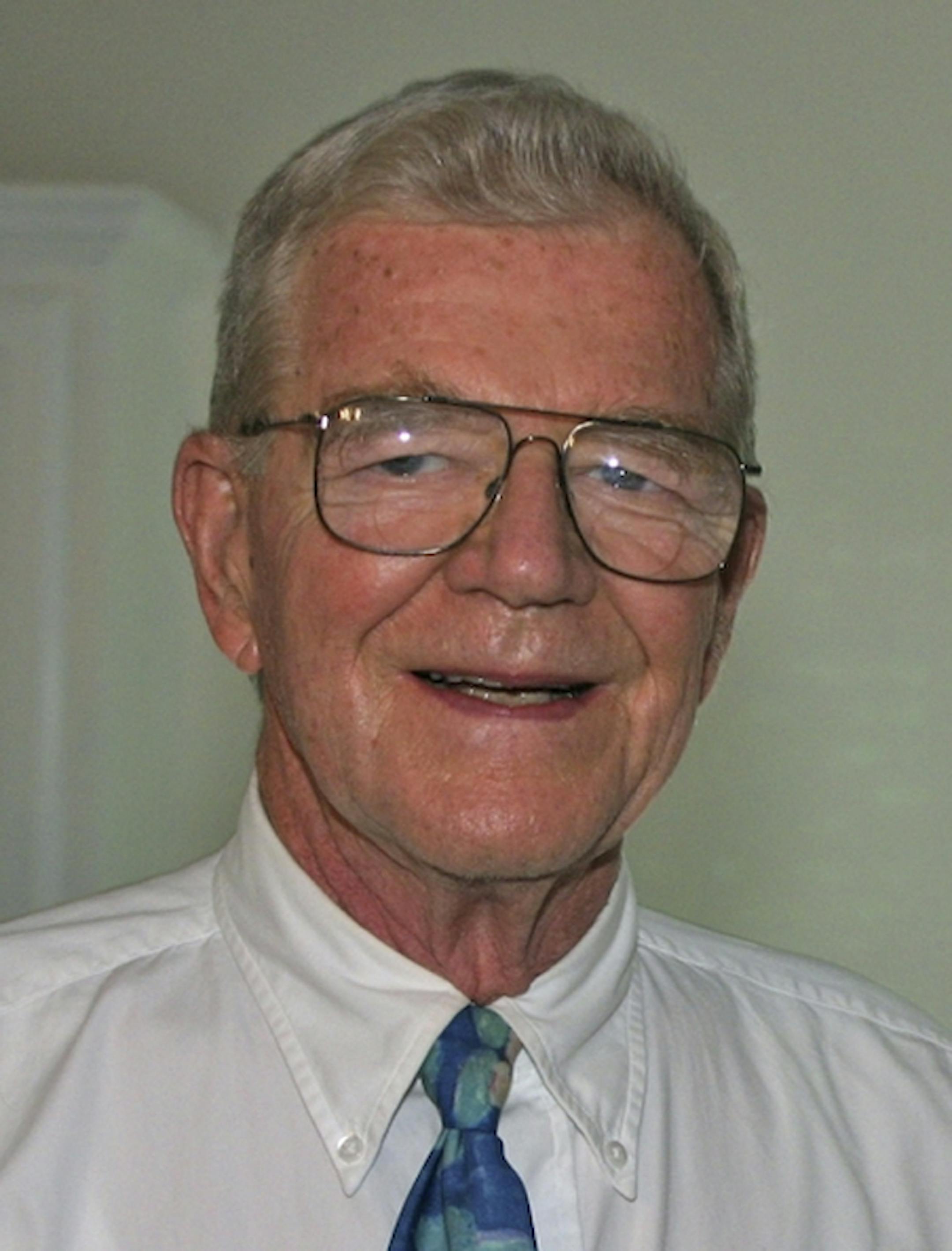
Dr. Richard Owen spent his life improving awareness and opportunities for people with disabilities, so when he retired he didn't see a reason to stop. But with no office space to entertain guests, the Eden Prairie man opened up his home.
Groups of schoolchildren visited Owen, who went by Dick, at his home, where he talked about the history of polio and his experience overcoming the disease. It was a fight that set the course of his life.
"He was such a kind, generous person," said his wife, Amy Owen. "He loved children."
Owen, 83, died Dec. 11. Friends and colleagues said he will be remembered for a career dedicated to helping the disabled and a fearlessness about living life despite perceived obstacles.
"I talk to a lot of people who were treated by him," said Sandy Landberg, executive director of the Sister Kenny Foundation. "Their claim was he was the most caring and compassionate person because of his personal experience with polio. He understood the impact of disability."
Owen was born and raised in Indianapolis, the middle of three children. He contracted polio when he was 12 and was ordered to a year of bed rest. He eventually walked with braces. As a teenager he underwent a pioneering muscle rehabilitation treatment called the Kenny Method, which allowed him to walk with a cane.
Decades later, Owen would become the medical director of the Sister Kenny Rehabilitation Institute in Minneapolis, an institution named after the Australian-born army nurse who had helped him regain his ability to walk.
Owen met his wife at George Washington University. He was in medical school, she was an undergraduate. On their journey west in search of work, the two made a pit stop in Minneapolis to catch a train. By chance, a medical conference was being held, and Owen attended. He was offered a job as a physiatrist, a physician of physical medicine and rehabilitation, at the institute and moved to Minnesota in 1957.


