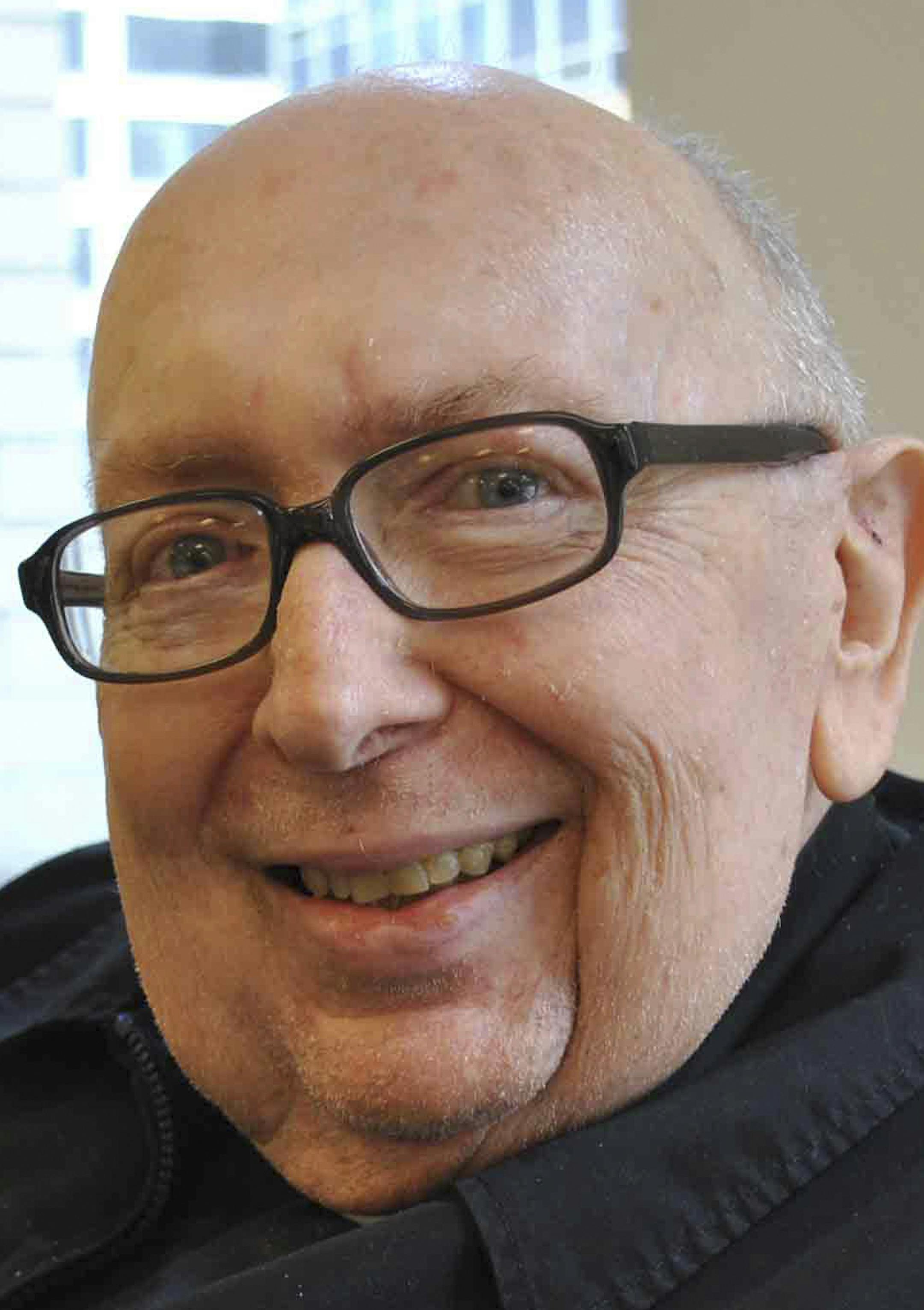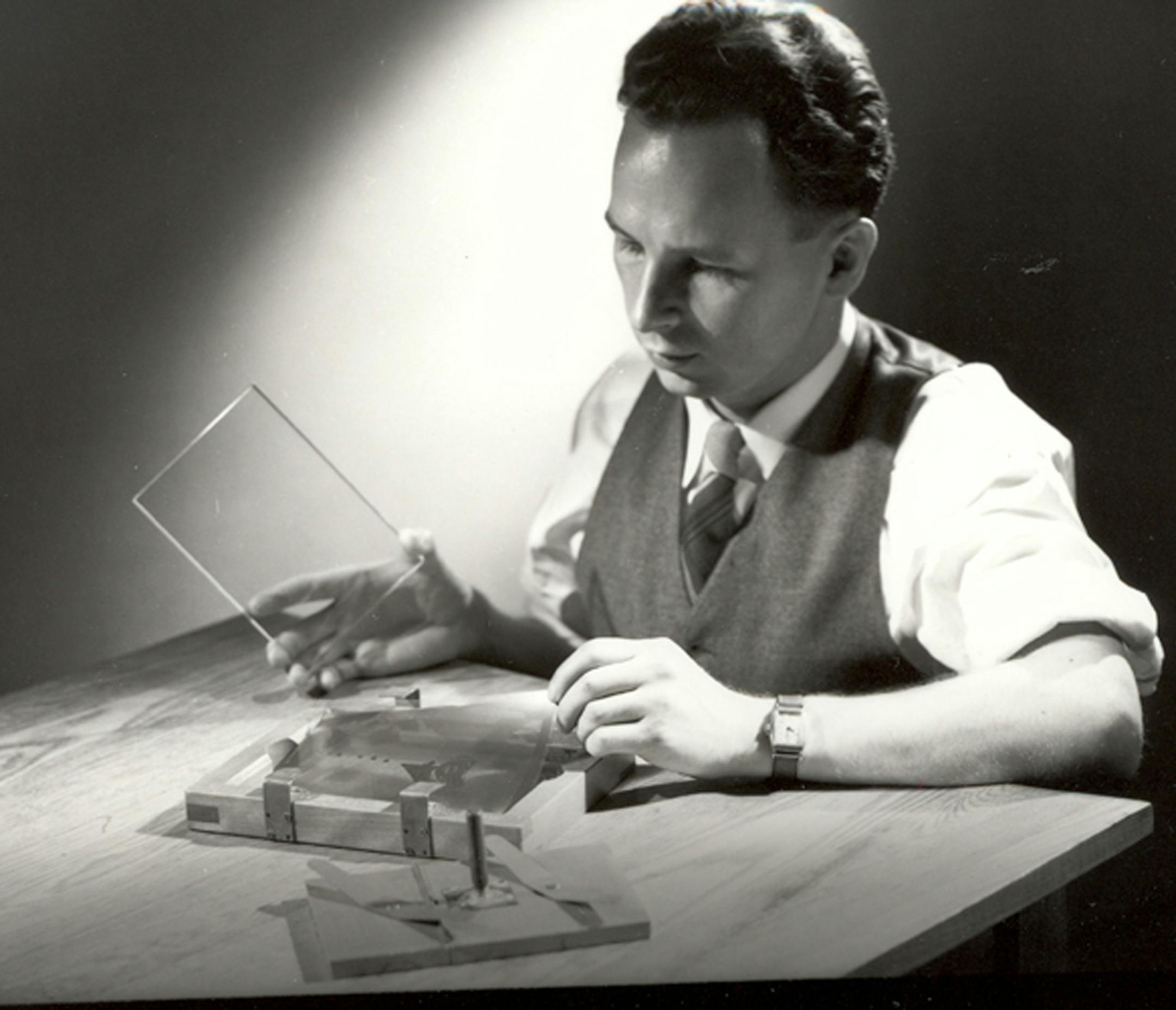
Donald Stookey, 99, a scientist with Corning Glass Works who in the 1950s accidentally discovered a remarkably strong material that could be used not just to make the nose cone of a missile but also to contain a casserole in both a refrigerator and a hot oven — its durable culinary incarnation was called CorningWare — died Tuesday in Rochester, N.Y.
Stookey invented synthetic glass ceramics, the highly versatile range of materials that continue to be refined for new uses, including glass stovetops. He also developed photosensitive glass and glass used in eyeglasses that darken in response to light.
He was credited with creating thousands of jobs, limiting squinting and averting countless broken dishes. In 1986, he received the National Medal of Technology.
In May 1957, Corning announced that it had trademarked Pyroceram, a ceramic made from glass that could withstand temperatures of up to 1,300 degrees. The company displayed a cone it had developed for a guided missile, saying the material was harder than carbon steel and would allow radar signals to pass through it. But missiles were only part of its plan for Pyroceram.
A 1957 article in the New York Times reported that the material was "expected to be used in combustion type electric turbines, guided missiles, jet engines of airplanes that fly at supersonic speeds, oil refining, chemical processing and home cookware."
Stookey, then the head of what Corning called its fundamental research department, was present for the announcement. Not long afterward, marketing teams from Corning tested prototypes of CorningWare with consumers, particularly women.
Stookey joined Corning Glass Works in New York in 1940, the same year he graduated with a doctorate in physical chemistry from the Massachusetts Institute of Technology. He immersed himself in research, studying the complex chemistry of oxidation and its effects on glass.
Jo Ann Harris, 81, a federal prosecutor who investigated a pivotal confrontation between government lawyers and Monica Lewinsky that contributed to the impeachment of President Bill Clinton, and concluded that the interrogation had been riddled with mistakes and "poor judgment," died Oct. 30 in New York.