Downtown Minneapolis clubs wouldn't book black musicians in the late 1960s. Then Dean Constantine threw open the doors to the Foshay Tower.
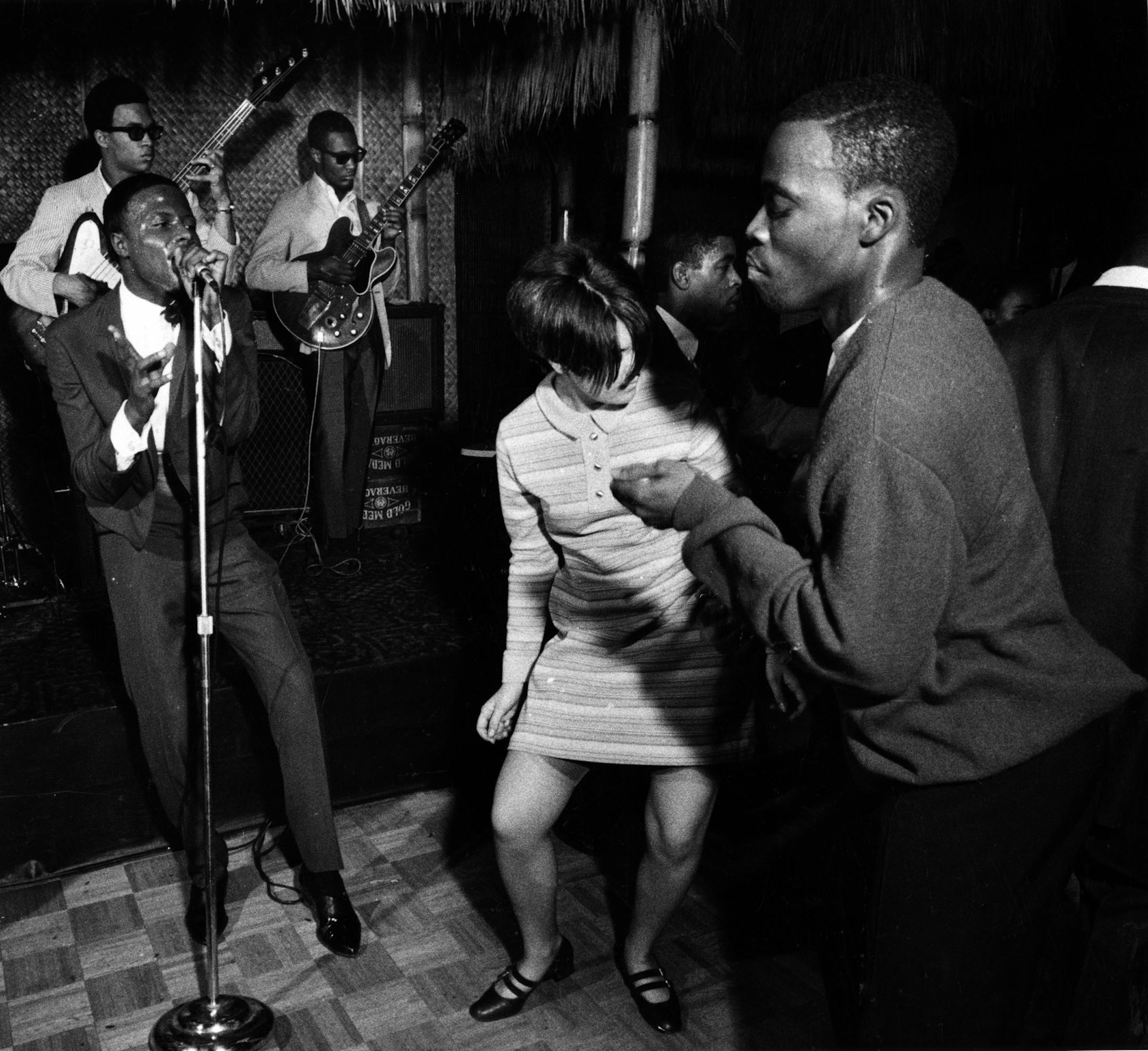
Constantine's King Solomon's Mines club made a splash as the only downtown club at the time to allow local black bands, cranking out rhythm and blues. The short-lived business was a small part of Constantine's long career as a dance instructor, but it enshrined him in Twin Cities music history.
"It was exciting, thrilling. You were downtown," said Herman Jones, drummer in the Exciters, a band that played at King Solomon's. "You were in the ultimate. You were in the now. For us, it was a way of being showcased."
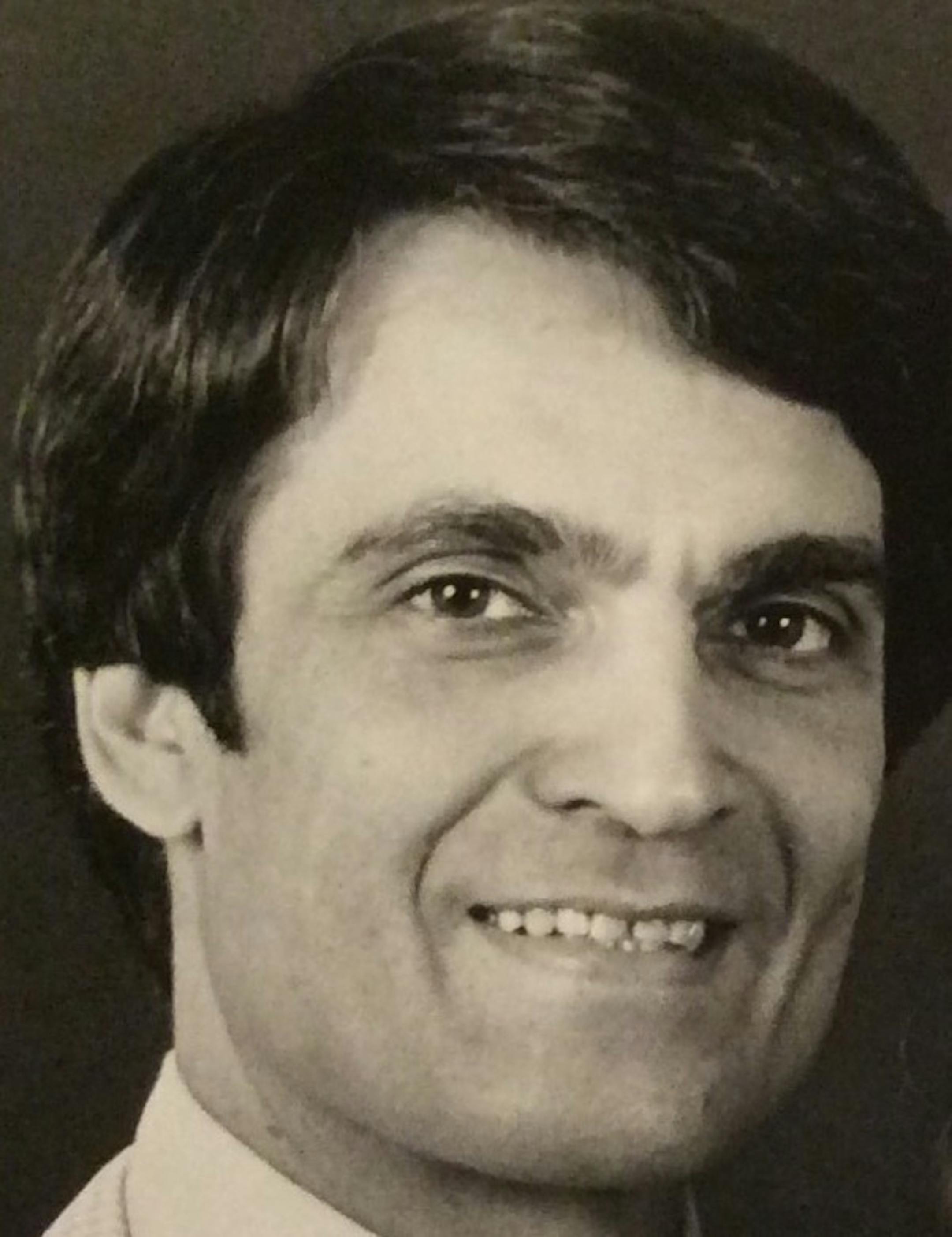
Constantine, who lived in Minnetonka, died Sept. 23 after complications from a fall. He was 86.
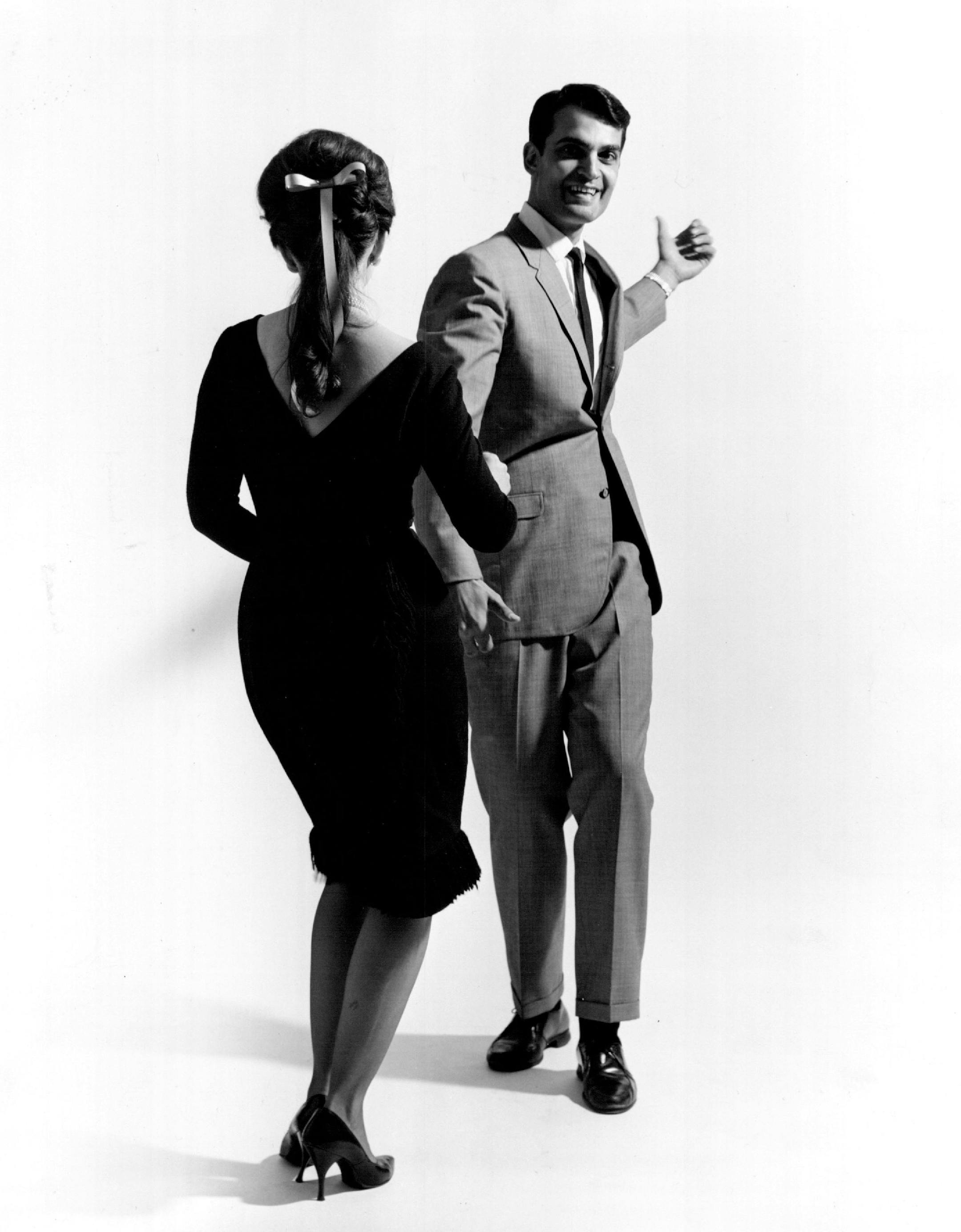
From living rooms and country clubs to community education classes, Constantine kept Twin Cities residents light on their feet for five decades as one of the most prominent dance teachers in the area. He taught thousands the basics, as well as how to keep up with the latest dance crazes.
"Disco, that was his heyday," said his daughter Deanna Constantine, who took over the family business, now known as Constantine Dance Classes. "He and my mom would sometimes have two and three hundred people in a single class wanting to learn how to do that 'Saturday Night Fever' line dance."
Racial tensions were high in the Twin Cities in 1966 when he opened King Solomon's at the foot of the Foshay. The club became a hotbed for local black musicians, drawing diverse crowds.
That rhythm and blues was the foundation for what later became the Minneapolis Sound, said Eric Foss, co-owner of Secret Stash Records, which recently compiled a history of Twin Cities funk and soul. "They were the only club downtown that would book black talent at the time. And I think the importance of that is massive," Foss said. "I think it's a pretty incredible thing."