

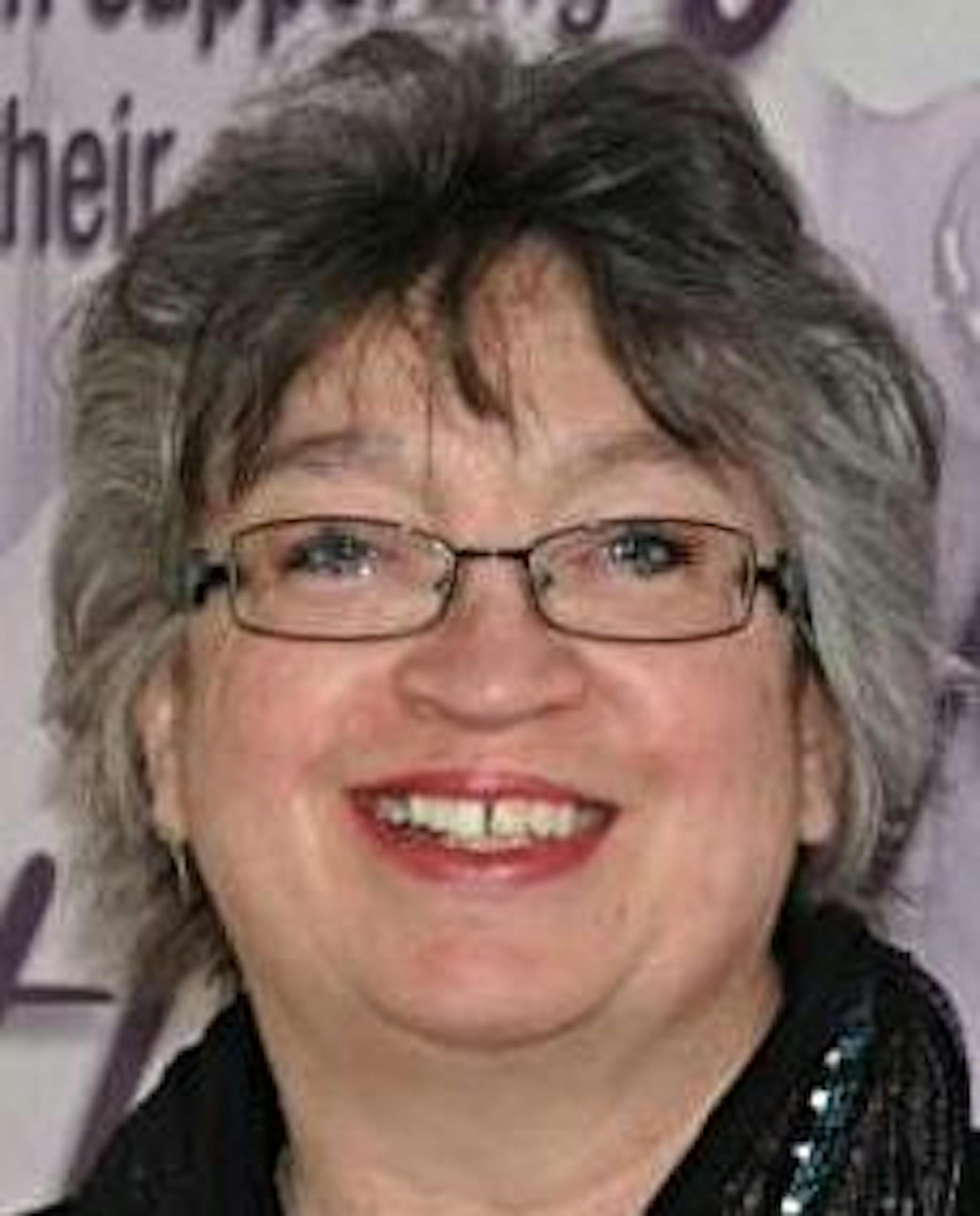
Colleen Carol Timbers, a feisty champion who empowered thousands of Minnesotans with disabilities to take charge of their lives, died in August at her sister's home in Champlin. She was 63.
The cause was ovarian cancer, family members said.
Timbers spent most of her adult life as program director at the Twin Cities nonprofit Merrick, Inc., where she developed innovative programs to help adults with intellectual and developmental disabilities participate in mainstream society. She founded a day services program for adults with Alzheimer's disease, organized antibullying campaigns in local schools and mobilized members of the disability community to become more active politically.
At election time, Timbers was known for dropping into polling places to check if they were accessible to people in wheelchairs and had people to help with the voting machines. She created meticulous plans for ensuring that hundreds of clients at Merrick had a way of getting to and from polling places. Often Timbers personally drove people to the polls in her Toyota Corolla.
Just this spring, Timbers brought dozens of disability self advocates to the State Capitol to share their personal stories and concerns about proposed cuts to Medicaid.
"Colleen had it in her blood to be an advocate, to fight for people who didn't have a voice," said her sister, Therese Timbers-Selissen.
Timbers was the oldest of six children raised in the Village of Port Edwards, Wis., where she showed an early talent for organizing. A Beatles fanatic, she read that the Fab Four sometimes traveled in military trucks to avoid being recognized. She convinced her siblings and friends of this phenomenon, and they would line the street screaming and waving when National Guard officers drove through town. "She had everyone convinced that the Beatles were in those convoys," said her sister, Sheila Timbers-Hjermstad.
Her father, Robert, a state property assessor, and mother, Arla, a beautician, insisted that the family talk about world events at the dinner table, encouraging them to take positions on issues including civil rights and the Vietnam War.


