

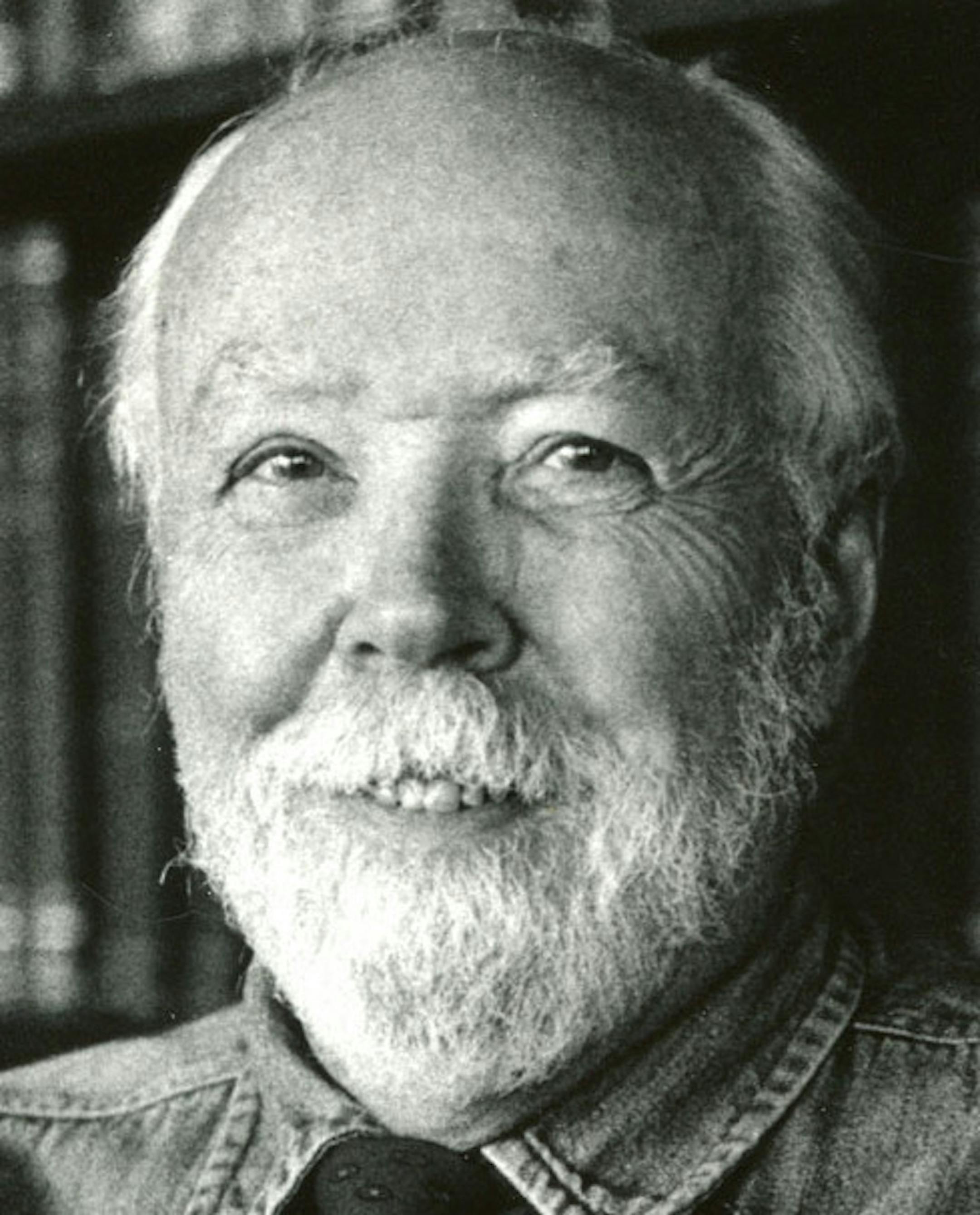
Clarke Chambers, a University of Minnesota history professor for 40 years, was nationally known for documenting aspects of U.S. history often overlooked — the history of women, the poor, immigrants and social services.
Decades before Congress' debates over welfare and food stamps, Chambers built the U's Social Welfare History Archives, containing thousands of documents and photographs that reveal America's historical treatment of the poor and disadvantaged. It is now one of the largest such collections in the nation, tapped by hundreds of researchers each year.
He also spearheaded the U's Oral History Project in the 1980s and '90s, conducting more than 100 interviews himself. He was among the founders of the Elder Learning Institute in 1995, offering academic classes for seniors.
Chambers, 94, died July 28.
"He made enormous contributions as a teacher and scholar, as a faculty leader," said Nils Hasselmo, U president from 1988 to 1997. "I considered him a very good personal friend, and a mentor, too. It was instructive to see how he operated in his quiet but energetic way."
Chambers was a popular teacher with a fine sense of humor and inquisitive mind, friends said.
"It was symbolized by those twinkling blue eyes," said David Klaassen, retired director of the welfare archives. "He had an interest and eagerness to engage anyone."
Chambers was born in Blue Earth, Minn., in 1921, one of three children raised by country doctor Winslow Chambers and his wife, Anna. He graduated from Carleton College in Northfield in 1943, married college sweetheart Florence Wood the next year and served in the U.S. Army Air Forces in the western Pacific.


