

The prisoners, newly freed, weren't supposed to wander.
They'd spent months in a prison camp in Bavaria, liberated at last by Gen. George Patton. One of the prisoners was Charles Woehrle, an American bombardier captured by German soldiers who'd seen him parachute from a burning plane.
After two years in captivity, Woehrle didn't pay much attention to Patton's warning of sniper fire in the nearby village. He made his way there and came across a man with a camera and a stash of unused film. Long interested in photography, Woehrle offered to buy it. He didn't have any money on hand, so he drew up a check for his bank at home in Pine City, Minn., and returned to photograph the camp.
"Some of what happened to him, he didn't share," said his daughter, Betsy Kelly. "But it was a real experience with camaraderie. I think really his two years in prison camp became the defining part of his life, with which he most identified."
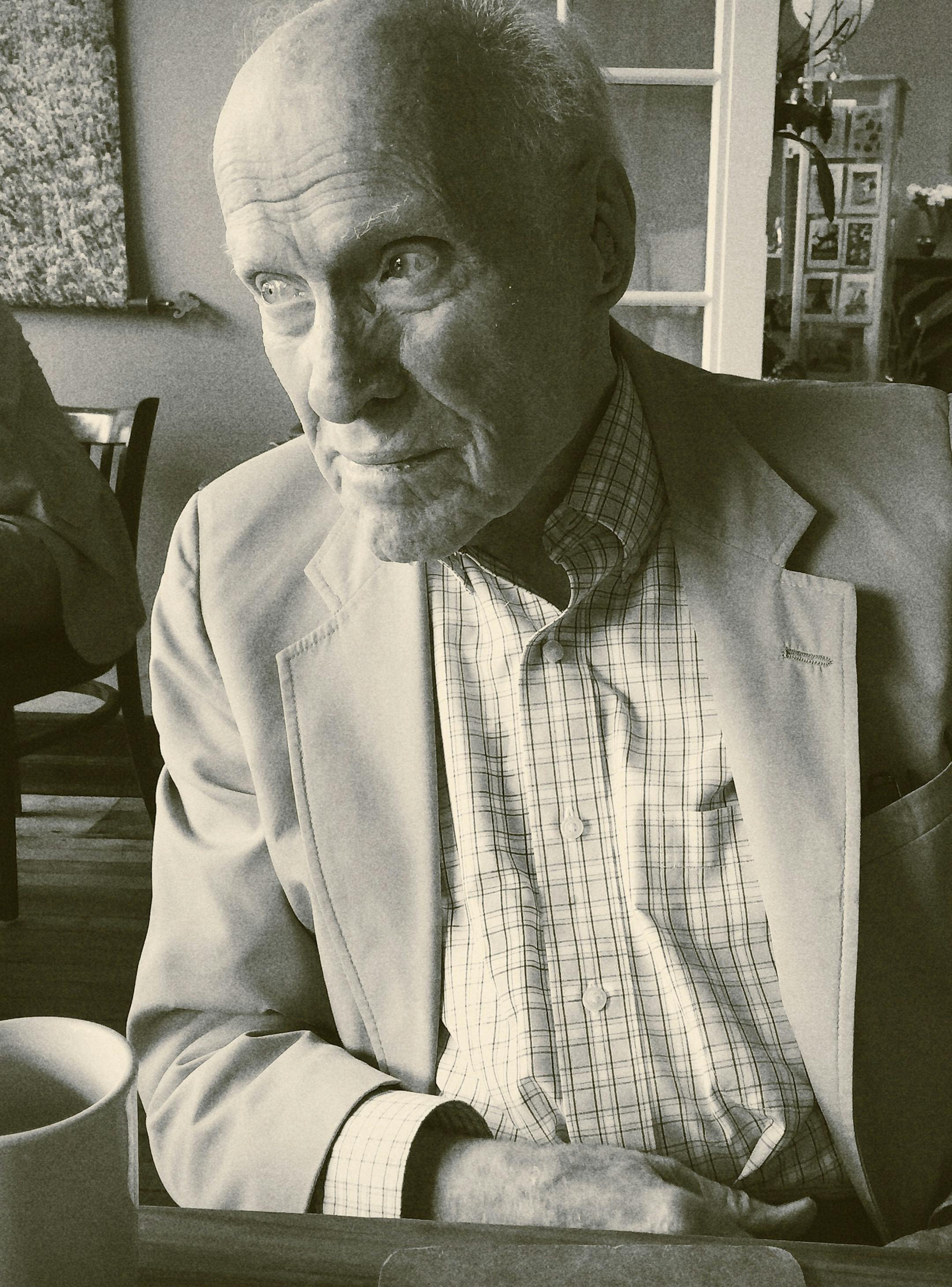
Known for his sharp artistic eye and talent for storytelling, Charles Boyd Woehrle died March 25 in St. Paul. He was 98.
Woehrle was born in Nashua, Iowa, to German parents and grew up in Pine City, Minn. He attended the University of Minnesota, holding on-campus jobs during the school year and working at Glacier National Park during the summer. He eventually ran out of tuition money, though, and had to leave school just a few credits short of a degree.
He met his wife, Elizabeth, at the U. Most of their courtship unfolded in letters sent across the Atlantic Ocean, including many that were first read by prison guards. On his way back to Minnesota after the war, Woehrle stopped in New York City's Diamond District and bought a ring.
At home, he started a film company with a former co-worker from the Great Northern Railway. They named their company Empire Photosound — after the Empire Builder train — and produced movies for industry and TV ads for clients that included General Mills and the Minnesota Milk Co.


