

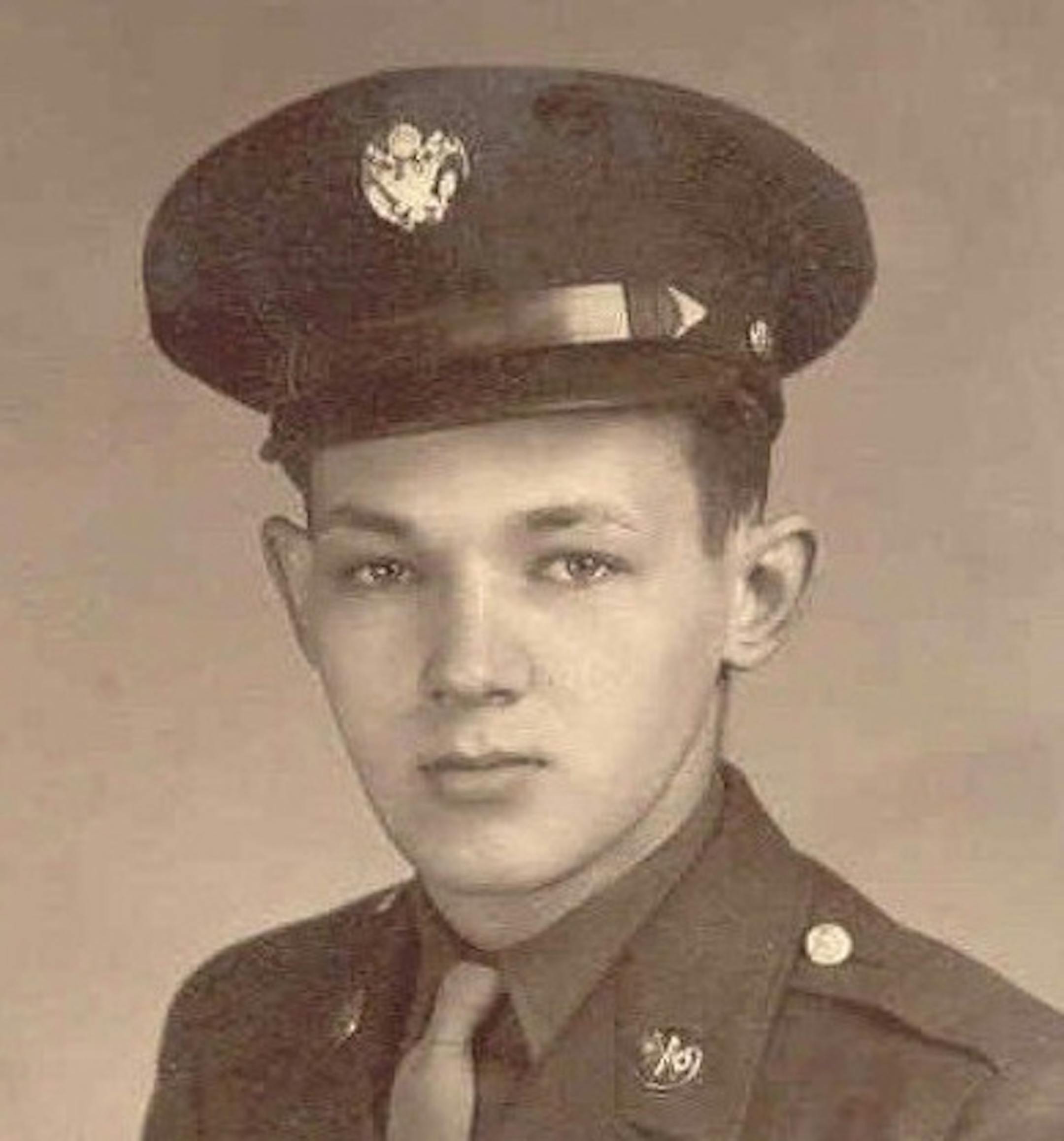
Andy Rorem interrupted his education at the University of Minnesota during World War II, followed the Allied troops into Europe and puzzled out German communications as a code breaker, relaying vital strategic information for his comrades in harm's way.
Rorem, a longtime electrical engineer who received the Bronze Star for his cerebral service in the Army, will be remembered at a memorial service one day after what would have been his 93rd birthday. Rorem died on June 29.
Upon his arrival overseas as part of the 129th Signal Radio Intelligence Company, "Britain was under siege by German planes, buzz bombs and V2 bombs during the time we were there," Rorem said as part of a compilation of memories among World War II veteran members at Bethlehem Lutheran Church in Minneapolis.
While he and his fellow code breakers were "fairly well equipped" for what lay ahead, Rorem added, "The direction-finding equipment sent us … didn't cover the frequency used by the Germans."
Then, in a simple explanation that belied the urgency of his circumstance in unkind surroundings, Rorem said, "I was able to correct the problem in the field."
While Rorem was not directly in the line of fire, his more than three years of service was not without peril, starting on his voyage from New Jersey to Britain and having to "zigzag" for 14 days across the Atlantic dodging the German submarines below the surface.
Once on land, he spent two years in Britain, Germany and France tracking German troop movements by copying and decoding enemy communications that were sent back to Allied command headquarters in London and Paris. It was that code breaking that earned him the Bronze Star, one of the U.S. military's highest honors.
His company arrived on Omaha Beach a few weeks after the D-Day invasion of Normandy and "had to be close to the line of battle because we were tracking low-power communications from tanks, command cars and small-troop movements."


