

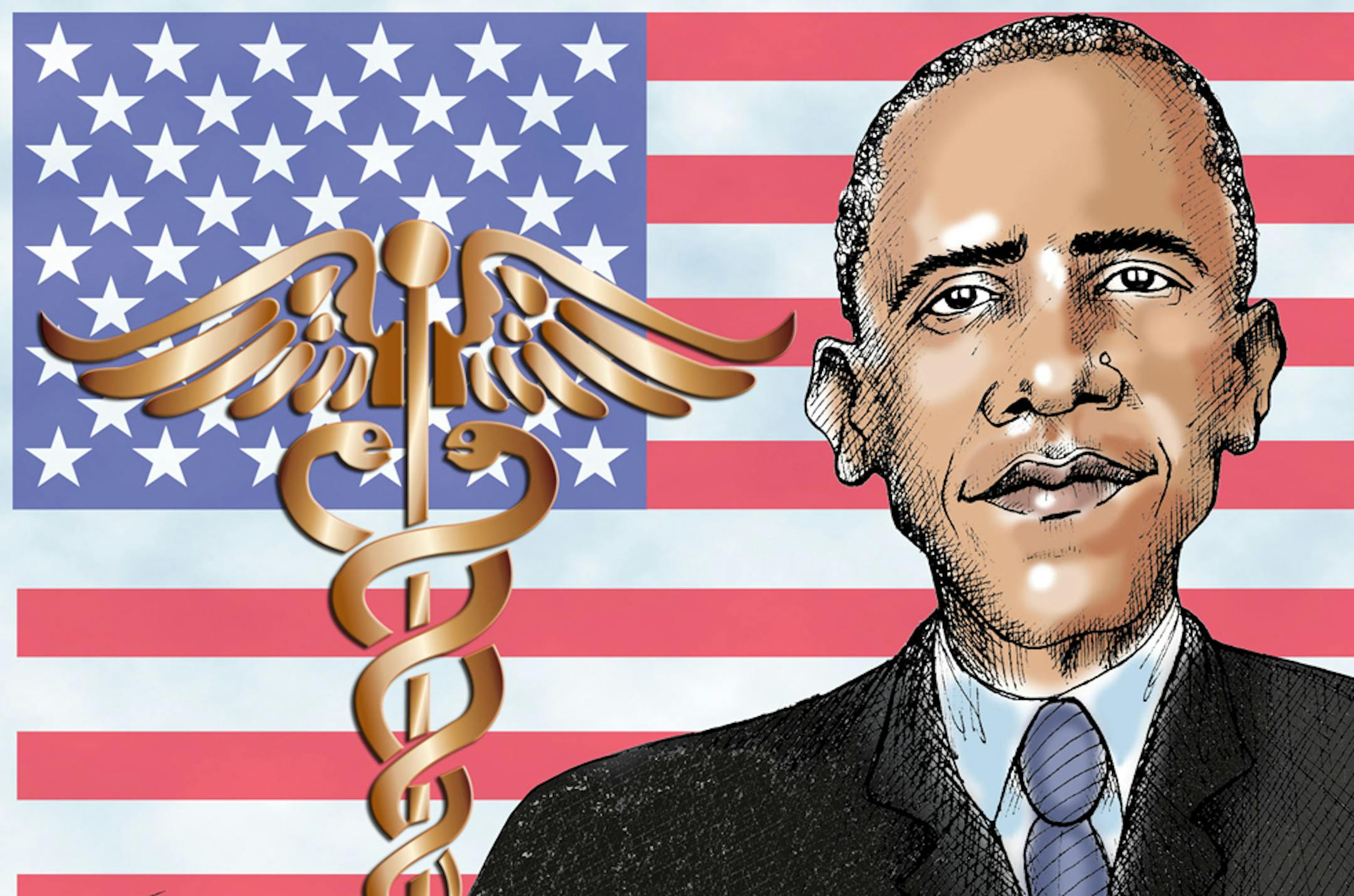
The Affordable Care Act will give companies - and, surprisingly, their workers - a big incentive to embrace more part-time employment. That isn't necessarily a problem, except when it comes to paying the health-insurance bills for all those part-timers. Looks like that job will fall to you, taxpayers.
Some of the motives at play here will strike you as familiar; others are fresh insights on the part-timing of America.
Opponents of Obamacare have long predicted that the 2010 law would lead to reduced working hours for many Americans. We all know from high-profile announcements that some employers, notably restaurants, plan to avoid hiring full-time workers because of the new health care rules:
Under Obamacare, employers with 50 or more full-time workers will be required to offer health insurance to those putting in at least 30 hours a week, or pay a penalty. That's a big incentive to keep the staff at 49 full-timers or, if the business demands more bodies, a big incentive to have as many employees as possible working a maximum of 29 hours.
Turns out the incentives to go part time will be even greater than we suspected: Several million employees could work fewer hours for as much take-home pay by shifting to part-time labor. University of Chicago economist Casey Mulligan has his finger on how that will work. As the law kicks in, the incentive for some workers will be so strong that free-market champion Mulligan says only "chumps" would resist it.
Mulligan has laid out his finding in a column on The New York Times' Economix blog. He notes that a key advantage of most full-time jobs is access to company-provided health benefits. He estimates that a middle-income, full-time worker pays $4,667 a year, and his or her employer pays $9,333, for family medical insurance.
Under Obamacare, that advantage will be reversed for some workers. The law subsidizes health costs for families that earn up to 400 percent of the federal poverty line, which is about half of all U.S. households (excluding the elderly, who have Medicare and Medicaid). But the government subsidies only will go to workers whose employers don't offer insurance. That is, most people who work full time will be ineligible for subsidies. Those workers and their employers will be expected to keep paying a bundle for coverage.
Not so for the part-timer. The law limits premiums he or she will pay to $2,149 a year. His or her employer need pay nothing at all. The Affordable Care Act also subsidizes part-timers' deductibles, co-payments and other out-of-pocket expenses, that exceed $2,193. By Mulligan's estimate, Washington could pay some $12,658 in premiums, and $2,907 in out-of-pocket costs, for a part-timer earning $42,000.


