

WASHINGTON – President Obama said that he and other world leaders have offered Iran an "extraordinarily reasonable deal" that will test whether the leadership of the Islamic nation is serious about at last resolving the dispute over its nuclear program.
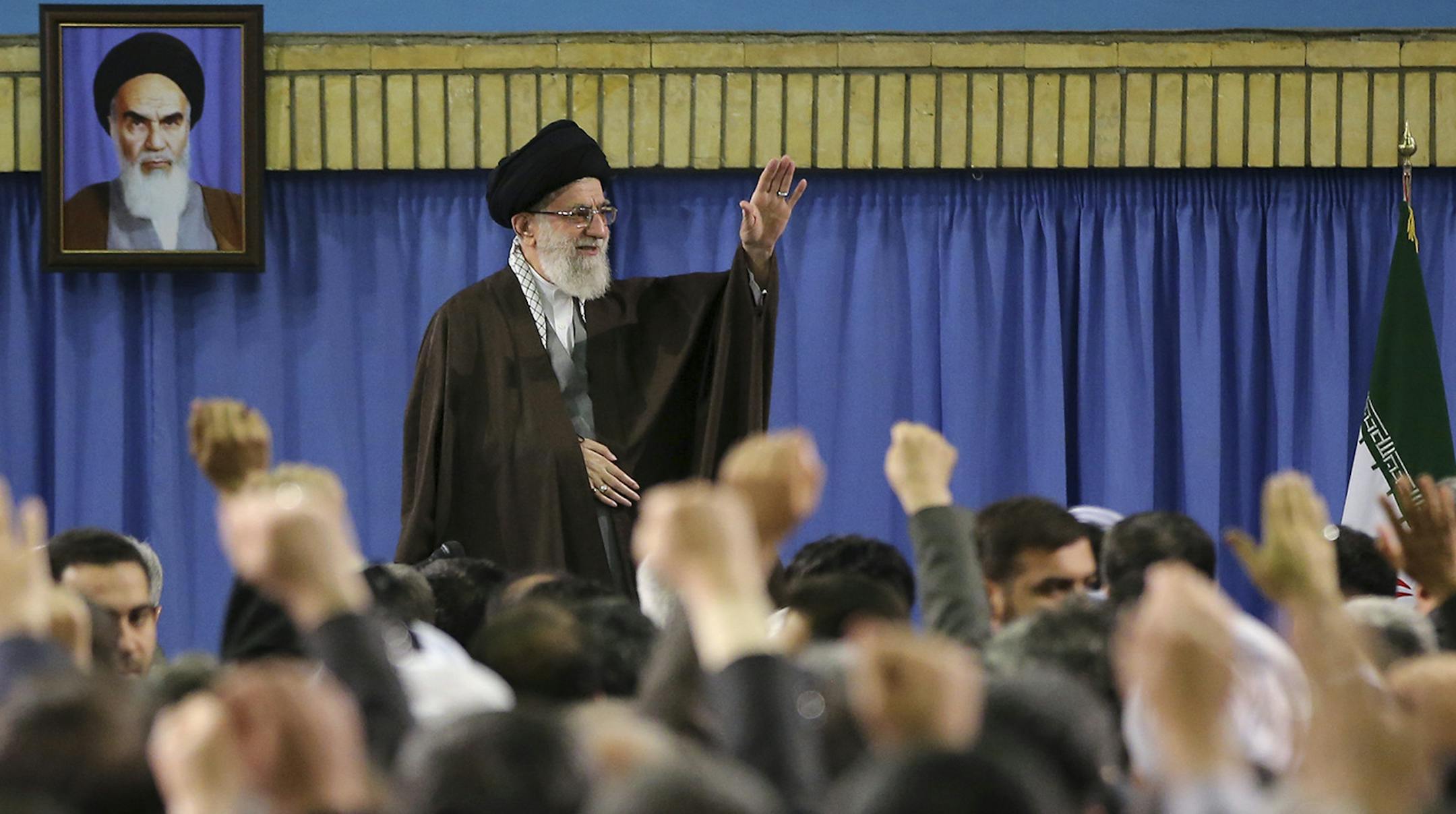
Even as negotiators appear close to an agreement, Obama highlighted the challenge of what comes next: ensuring that any pact forged in Geneva can pass muster in Tehran, where Ayatollah Ali Khamenei, Iran's supreme leader, has expressed deep skepticism about a settlement with the outside world.
"We have made progress in narrowing the gaps, but those gaps still exist," Obama said in an interview with CBS News that aired on Sunday morning's "Face the Nation" program. "And I would say that over the next month or so, we're going to be able to determine whether or not their system is able to accept what would be an extraordinarily reasonable deal, if in fact, as they say, they are only interested in peaceful nuclear programs."
With a potential deal in sight, Secretary of State John Kerry spent much of the last week in Europe and the Middle East consulting with allies and reassuring those nervous about the prospect. Prime Minister Benjamin Netanyahu of Israel addressed a joint meeting of Congress to warn that the terms as publicly reported would make it a "bad deal," which would still leave Iran with a nuclear infrastructure that it could use to eventually make bombs.
Many Republicans and some Democrats share Netanyahu's concerns and have been drafting legislation intended to give Congress a say in whether an agreement would be satisfactory. At the insistence of Democrats, Senate Republicans agreed to hold off advancing such legislation to give negotiators time to finish their work.
But on the same program on Sunday, Sen. Mitch McConnell, R-Ky., the majority leader, made clear that he intends to pursue the matter eventually. "Obviously, the president doesn't want us involved in this," he said. "But he's going to need us if he's going to lift any of the existing sanctions. And so I think he cannot work around Congress forever."
Negotiators from the United States, Britain, France, Germany, China, Russia and Iran have until late March to develop the outline of a deal, under a preliminary agreement that has limited Iran's nuclear program in the meantime. If they succeed, they will have until June to translate that into a detailed, comprehensive document.
Obama said he would not accept a bad deal. "If there's no deal, then we walk away," he said. "If we cannot verify that they are not going to obtain a nuclear weapon, that there's a breakout period so that even if they cheated we would be able to have enough time to take action, if we don't have that kind of deal, then we're not going to take it."


