

On Sept. 18, 1986, more than two years before the end of Ronald Reagan's presidency, the columnist George F. Will, one of Reagan's earliest and strongest supporters, pronounced the Reagan administration dead. "When an administration collapses, quickly and completely," Will wrote, "a reasonable surmise is that the administration, like a balloon, had nothing in it but air."
Will was venting about a controversy now long forgotten - Reagan had worked out a complex swap that allowed an American correspondent detained by the Soviets to come home. But his column was merely the start of a barrage of conservative attacks on Reagan in his final years in the White House, and a concurrent series of articles proclaiming the Reagan administration to be essentially over.
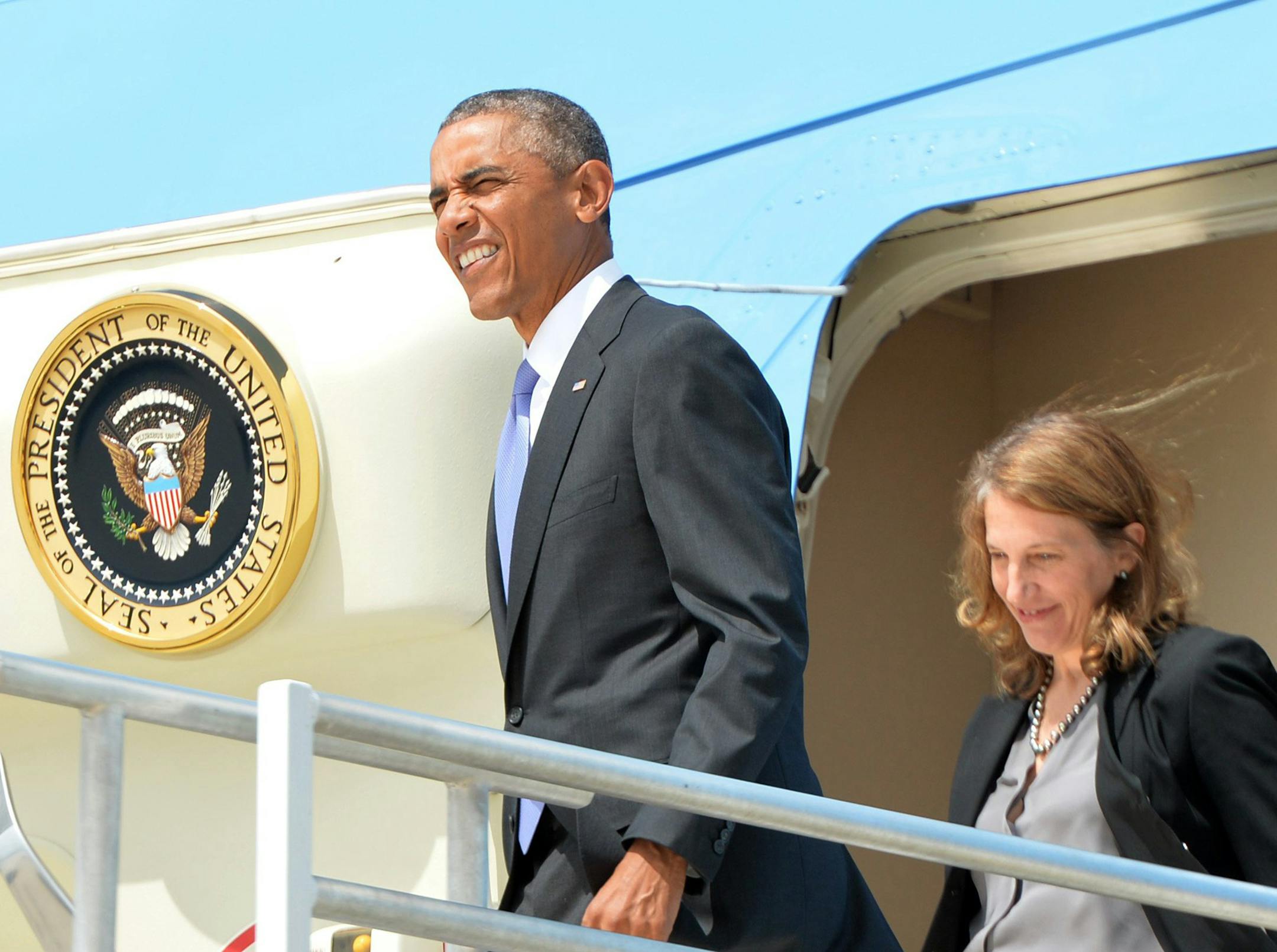
President Obama confronts a similar situation this fall, at the same stage of his own presidency. Amid broad dissatisfaction, many commentators have declared his administration a spent force. ("He seems to have taken something like an early retirement," Ed Rogers wrote for The Washington Post, describing the "post-Obama presidency.")
Most of these end-of-Obama sentiments are sincerely felt, and there are plenty of Obama-specific reasons for making these judgments.
Yet they all lack historical perspective. In fact, the notion that the Obama presidency is all but over has arrived right on schedule for any second-term president. By this stage of their presidencies, Bill Clinton and George W. Bush, like Reagan before them, were all being written off as finished, not least of all by those who had been their strongest supporters.
However, history also demonstrates a larger truth that the commentators ignore today. Quite a few of the most significant achievements of the Reagan, Clinton and Bush presidencies took place in their final two years. The public may pay ever less attention in the final years, and the president's perceived power may be on the wane. Yet he still possesses the same great constitutional authority.
Reagan's most significant diplomacy with Mikhail S. Gorbachev, which contributed to the end of the Cold War, took place in his final two years. In Clinton's final two years, he paved the way for China's entry into the World Trade Organization, cementing the international economic order we have today, and began military action in Kosovo without obtaining approval by the United Nations Security Council, thus setting a precedent for similar American military actions since. Bush's last two years saw the "surge" of American troops into Iraq, altering the course of the war there; the largest financial bailout in the nation's history; and the signing of the agreement with Iraq to remove American forces at the end of 2011.
Obama's presidency likewise has a long way to go: in the new war with the Islamic State, on a nuclear deal with Iran, on new trade agreements, on a new immigration policy and in areas we can't even imagine yet. So how can we explain the premature doomsaying?


