

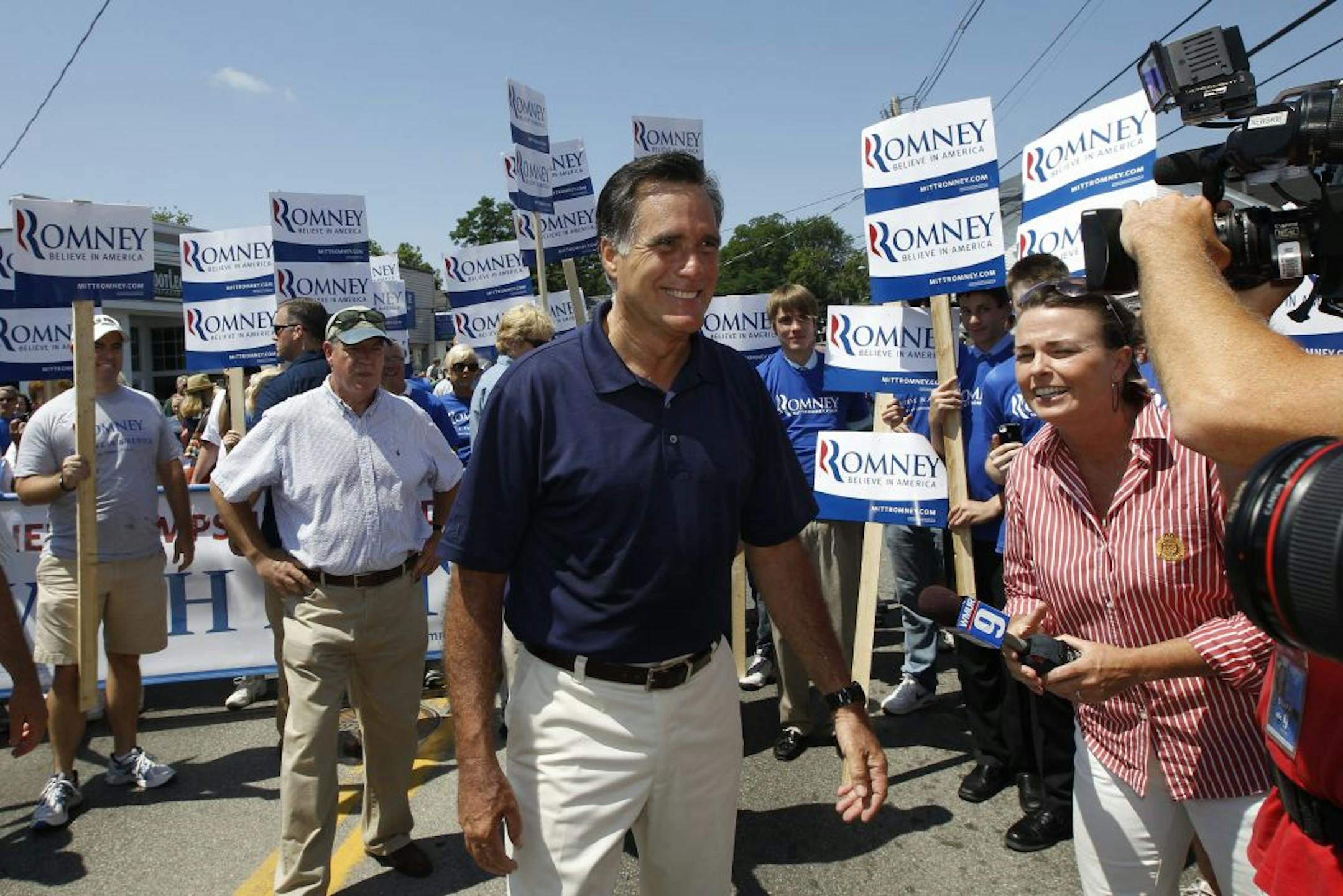
The most important voice in a presidential campaign is that of the candidate. But it is not the only important voice, as President Obama and Mitt Romney recently acknowledged.
In the past two weeks, both campaigns have had close advisers increase their day-to-day communication with reporters and various media outlets. It is a recognition that they cannot afford to miss a beat in a rapid-fire media environment fueled by Twitter and cable news programs.
The additions of the high-profile representatives signal that the campaign is moving into a new phase in which speed in responding is essential.
Jennifer Psaki, a former deputy communications director in Obama's White House, will join him on the trail, reprising a role she had in 2008. Kevin Madden, a senior adviser to Romney, will become a more frequent traveler and spokesman as he was in the campaign for the 2008 Republican nomination.
They will each face the following challenges:
PsakiCampaigning for re-election to the White House requires a delicate balance of the official and the political. When Obama has been on the road, his team has handled communications from afar, with reporters being directed to the campaign's Chicago headquarters.
Psaki's return will change that. Officials said she would work with the White House press secretary, Jay Carney, on most political trips, serving as the official voice of the campaign for the gaggle of reporters who accompany the president wherever he goes.
Psaki faces the challenge of putting the best possible face on a tricky re-election message. How to signal that things are getting better when the unemployment rate is hovering above 8 percent? Obama's recent stumble when he said the private sector was "doing fine" would have put her on the spot. And Friday's mediocre jobs report offered the latest dangerous moment that demanded a nimble response.


