

Barack Obama, trying to quickly unify his fractured party, made a series of symbolic but significant changes on Thursday aimed at showing him as an agent of change and in control of the Democratic machinery.
Less than 36 hours after claiming his party's presidential nomination, the Illinois senator said the Democratic National Committee (DNC) will stop accepting campaign contributions from lobbyists and political action committees, just as Obama's campaign has done.
Republicans argued that Obama's gesture was little more than symbolism. Traditionally, PAC and lobbyist money constitutes a small percentage of how much political parties raise.
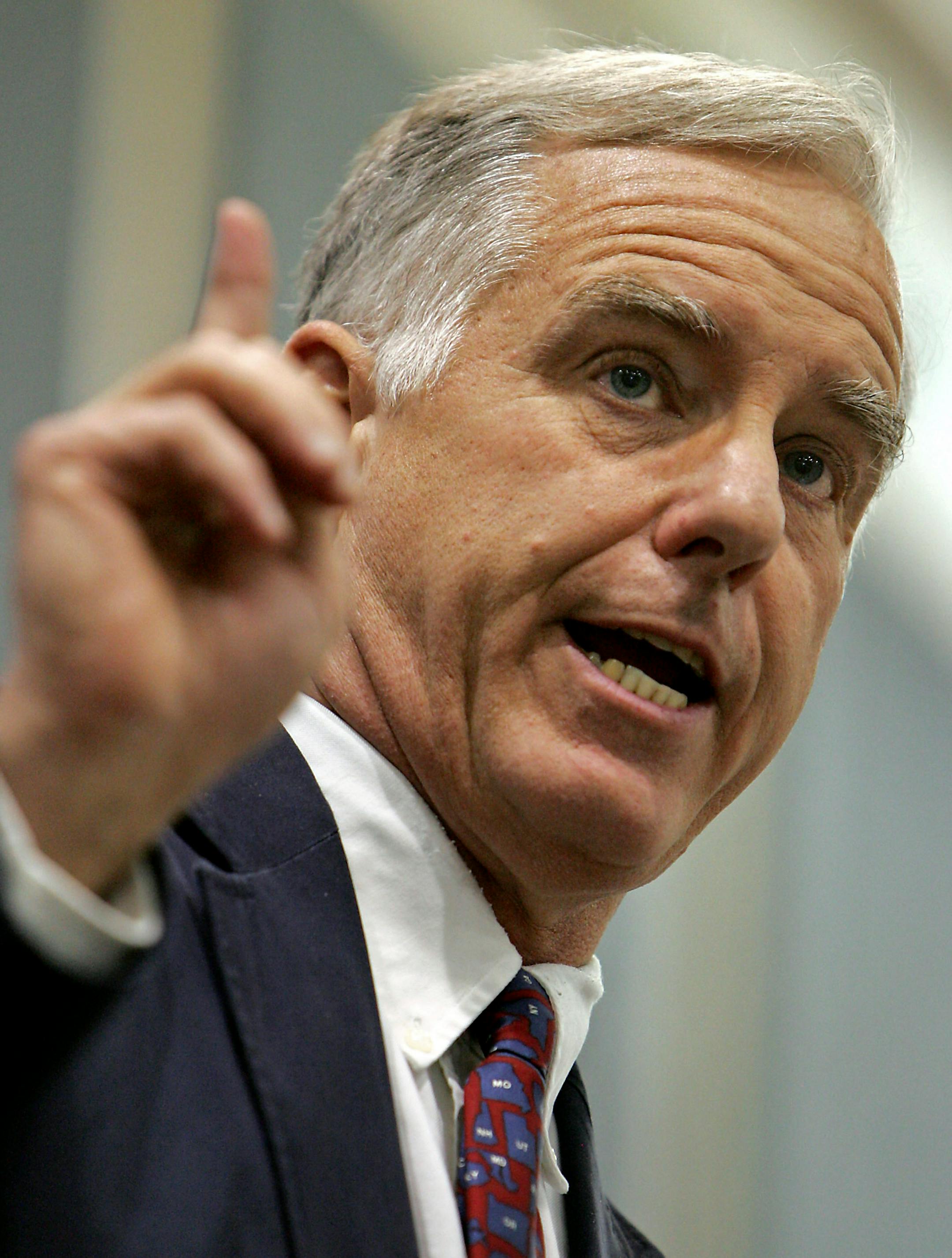
Obama also said he is keeping Howard Dean at the helm of the DNC, while bringing in one of his top strategists, Paul Tewes, to oversee changes in the party's operations.
By keeping Dean, Obama ended up taking sides in a long-running dispute between Washington-based Democratic Party leaders and state party officials. Although Obama campaign officials have expressed concern in the past that the party did not have enough money, Obama shares Dean's goal of building the party from the ground up, even in states where Republicans dominate.
Clinton and Obama meet in private
Hillary Rodham Clinton and Barack Obama met privately Thursday night to talk about uniting the Democratic Party, an Obama spokesman said. "It's the end of the primary process. They wanted to talk about bringing these campaigns together in unity," Robert Gibbs said.
He would not say where they met, except to say it was not at Clinton's home in Washington, as was widely reported.
Clinton, meanwhile, tried to quiet a campaign by her allies to force her onto the Democratic ticket.


