

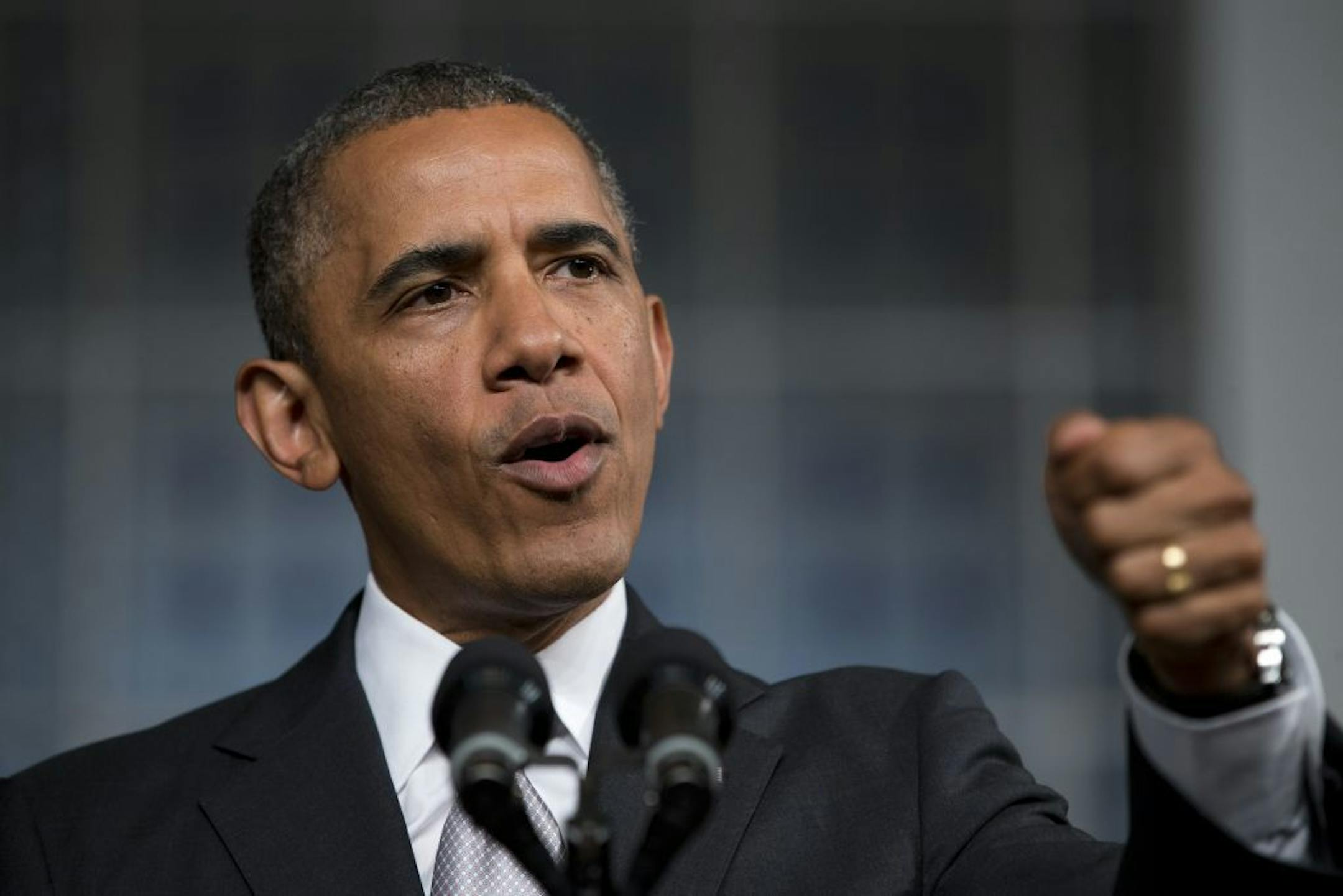
In his use of American power and influence abroad, President Obama's critics say he has been reluctant, gun-shy, and prone to saying one thing and doing another. They're right. They're only wrong in thinking it's a bad thing.
Egypt has undergone a military coup that critics complain we either failed to prevent or failed to promote. Syria's civil war is going on, with the rebels losing ground and getting little help from Washington. The administration has floated a "zero option" in Afghanistan, which would mean pulling out all U.S. troops by the end of 2014.
Obama is getting slammed for lack of aggressiveness by crusading internationalists in both parties — who brought us the Iraq war and the Afghan quagmire. If they think he's wrong, he must be doing something right.
They certainly do think he's wrong. Egypt? "He remains irresolute while Egyptians riot," complained former U.N. Ambassador John Bolton. Syria? A Washington Post editorial called his approach "weak and legalistic."
Afghanistan? "News of the 'zero option' damages our position in Afghanistan, erodes our standing with our allies, emboldens the Taliban and demoralizes our troops," declared House Armed Services Committee Chairman Buck McKeon, R-Calif.
The substance behind the charges is real enough. Obama has not pulled out every stop to force Egypt one way or another. The Syrian rebels have been losing ground, while the arms promised by Washington have yet to arrive. Afghanistan stands a good chance of going to hell as soon as we hit the door.
None of these situations is working out in a way that is pleasing to us. So it must be Obama's fault, and it must be his responsibility to fix them. Right?
Well, no. The beginning of wisdom about the international realm is that those are not our countries. We don't have the responsibility to dictate what direction they take, and we don't have the means to impose our preferences. When we get deeply involved, we're apt to produce results very different from what we hope.


