

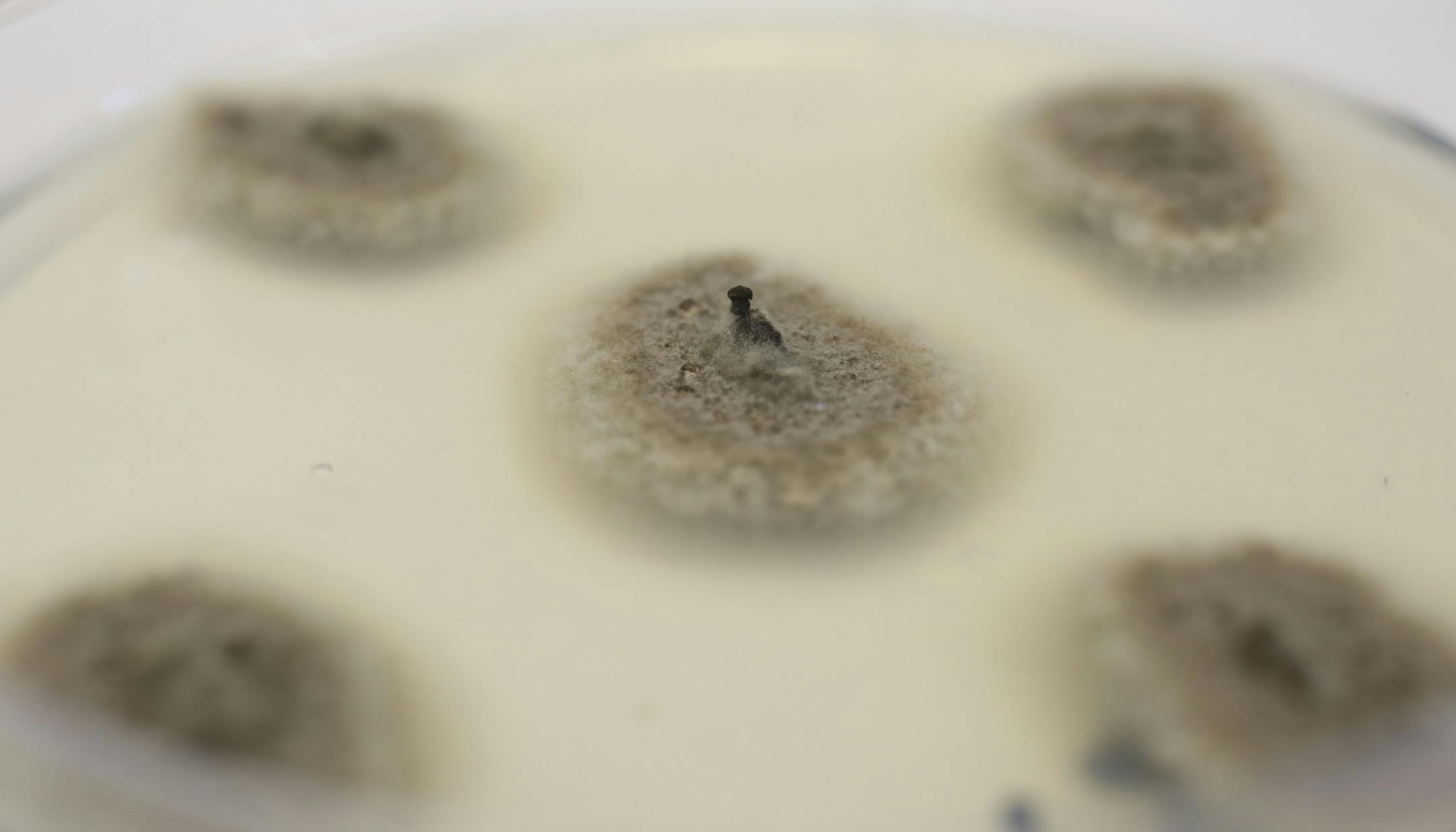
The edges of the leaves of an old oak tree near Brainerd turned brown last summer when they should have been at their healthiest. This spring, as everything around the tree was blooming, its leaves fell, creating a telltale carpet of dead leaves with brown edges and green centers. Samples sent to a lab in the Twin Cities recently confirmed what arborists suspected: Oak wilt has made it to Crow Wing County.
It's the farthest north the disease, always fatal to most oak species, has been found. The spread now covers about a third of the state, putting one of Minnesota's most important trees at risk.
One of the striking things about oak wilt, caused by an invasive fungus, is how quickly it attacks a tree once it's there, said Rachael Dube, forest health specialist for the Department of Natural Resources (DNR). Most red oaks die within two months of infection, she said. Some are killed in just a couple of weeks.
"While it's devastating to individual trees, what we're very concerned about over time is the ecological impact of losing oak trees," Dube said.
Oaks are one of the most prevalent big trees in Minnesota. They're stately, beautiful, popular in yards and parks throughout the state. They're relied upon economically as the No. 1 harvested hardwood in Minnesota. The tough, long-lived trees are expected to do well even as the climate continues to change.
"Entire ecosystems depend on them functioning," Dube said. "The trees themselves are habitat. So many wildlife species depend on acorns for food."
Increasingly endangered species that once thrived in oak savanna, such as the redheaded woodpecker, rely on old hollowed out oaks for shelter.
When oaks die out, they're tough to replace, Dube said.


