

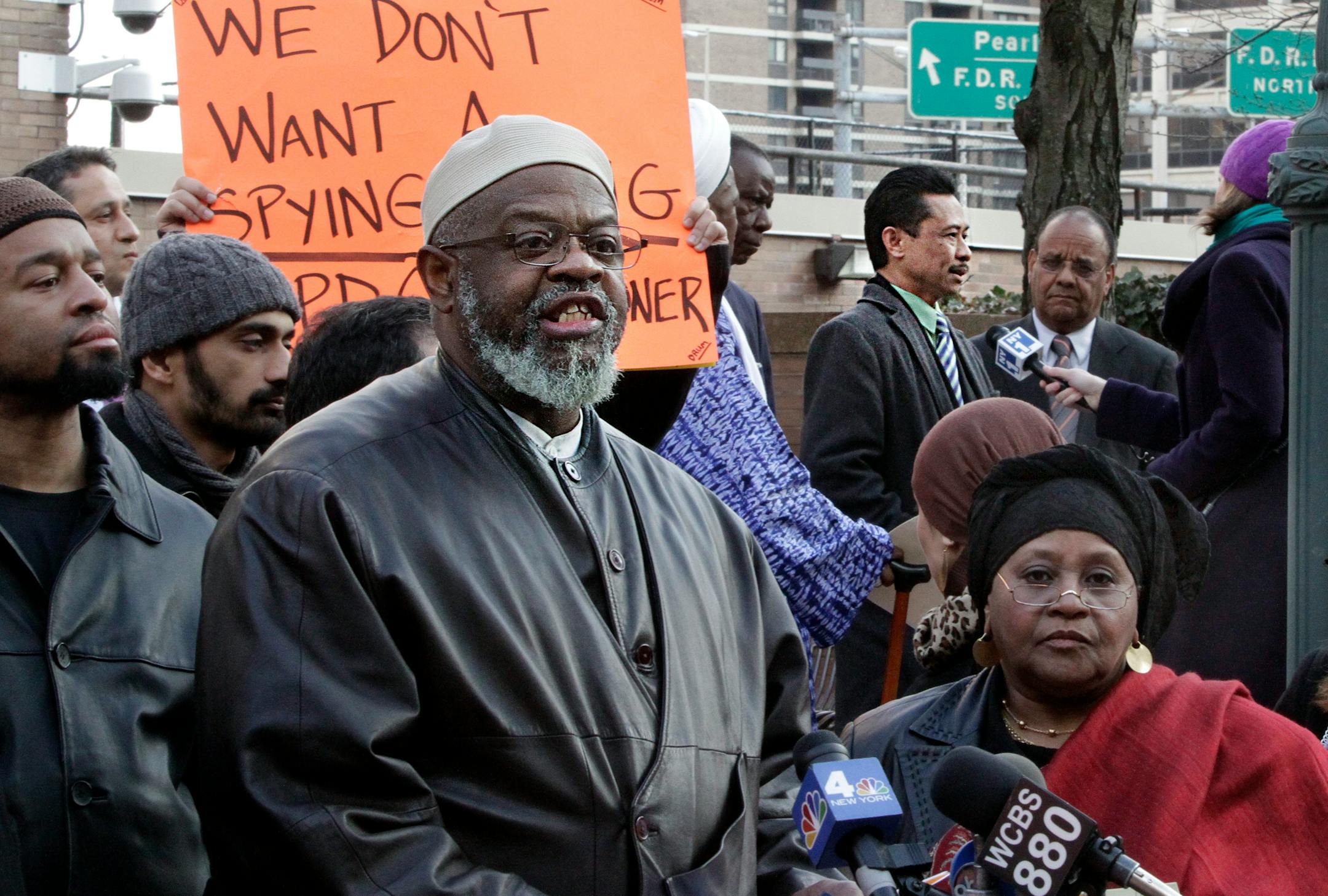
The New York City Police Department's indefensible program of spying on law-abiding Muslims in their neighborhoods and houses of worship has turned out to be even more aggressive than earlier reports had shown.
According to a recent Associated Press report by Adam Goldman and Matt Apuzzo, the surveillance operation designated at least a dozen mosques as terrorist organizations. The designation was used to justify open-ended "terrorism enterprise investigations," circumventing court-imposed limitations on police investigations of constitutionally protected activities.
The report is based largely on leaked police documents and interviews; though most of the documents date back a few years, recent court filings suggest such activities are continuing.
Plainclothes police officers were sent to restaurants, cafes and other spots where groups of Muslims get together. The police files contain reports of casual conversations about political events and information about where Muslim New Yorkers go to play cricket and where to find the best kebabs and Middle Eastern pastries.
In a move reminiscent of discredited police efforts in the 1960s and 1970s to spy on black activists and antiwar protesters, attempts were made to plant informants on the boards of mosques and a prominent Arab-American group in Brooklyn that helps new immigrants.
Police Commissioner Raymond Kelly responded to the AP report by insisting that everything the department does is legal and effective.
But the fresh details contain important evidence for pending civil rights lawsuits - one charging that such surveillance violates court-imposed standards that now govern police surveillance activities and others alleging unconstitutional violations of religious exercise rights and anti-Muslim discrimination.
The new information further confirms the wisdom of the City's Council's approval of a law (and override of Mayor Michael Bloomberg's veto) to establish a police inspector general who can serve as a check against police abuses in the future.


