WOOD LAKE, Neb.
There are just a handful of psychiatrists in all of western Nebraska, a vast expanse of farmland and cattle ranches. So when Murlene Osburn, a cattle rancher turned psychiatric nurse, finished her graduate degree, she thought starting a practice in this tiny village of tumbleweeds and farm equipment dealerships would be easy.
It wasn't. A state law required nurses like her to get a doctor to sign off before they performed the tasks for which they were nationally certified. But the only willing psychiatrist she could find was seven hours away by car and wanted to charge her $500 a month. Discouraged, she returned to work on her ranch.
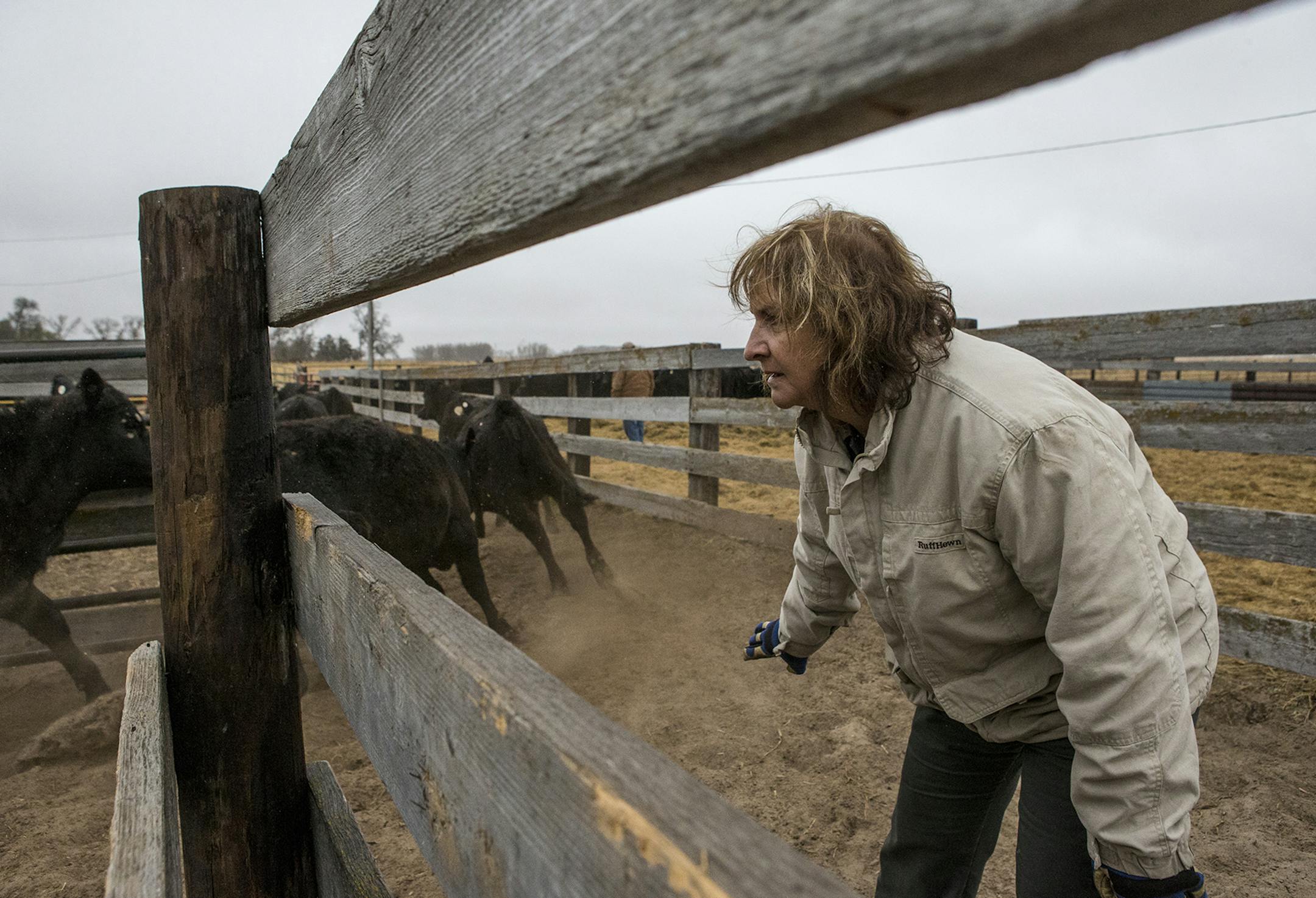
"Do you see a psychiatrist around here? I don't!" said Osburn, who has lived in Wood Lake, population 63, for 11 years. "I am willing to practice here. They aren't. It just gets down to that."
But in March the rules changed: Nebraska became the 20th state to adopt a law that makes it possible for nurses in a variety of medical fields to practice without a doctor's oversight. Maryland's governor signed a similar bill into law this month, and eight more states are considering such legislation, said the American Association of Nurse Practitioners.
Now nurses in Nebraska with a master's degree or better, known as nurse practitioners, no longer have to get a signed agreement from a doctor to be able to do what their state license allows — order and interpret diagnostic tests, prescribe medications and administer treatments.
"I was like, 'Oh, my gosh, this is such a wonderful victory,' " said Osburn, who was delivering a calf when she got the news in a text message.
The laws giving nurse practitioners greater autonomy have been particularly important in rural states like Nebraska. About a third of Nebraska's 1.8 million people live in rural areas, and many go largely unserved as the nearest mental health professional is often hours away.