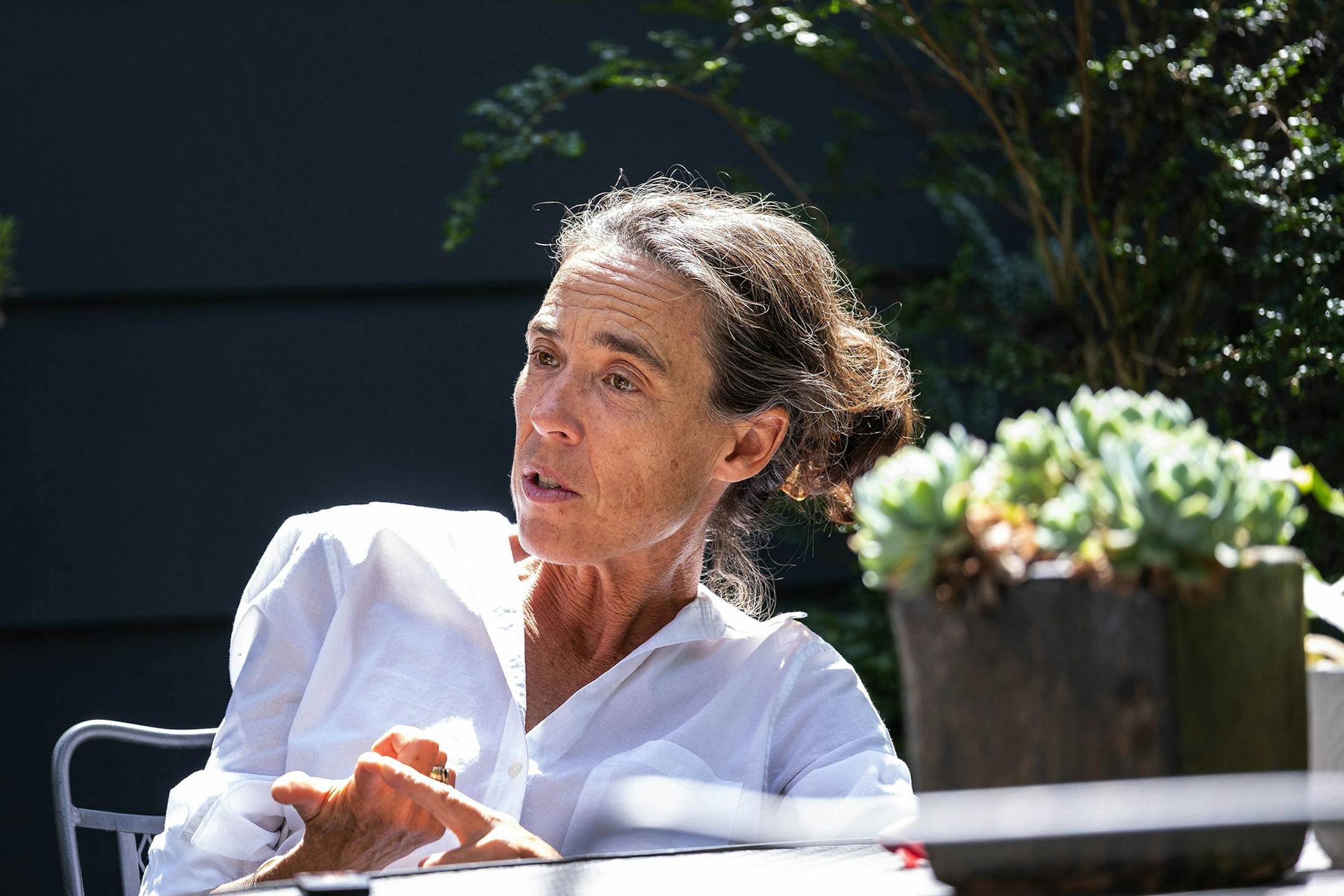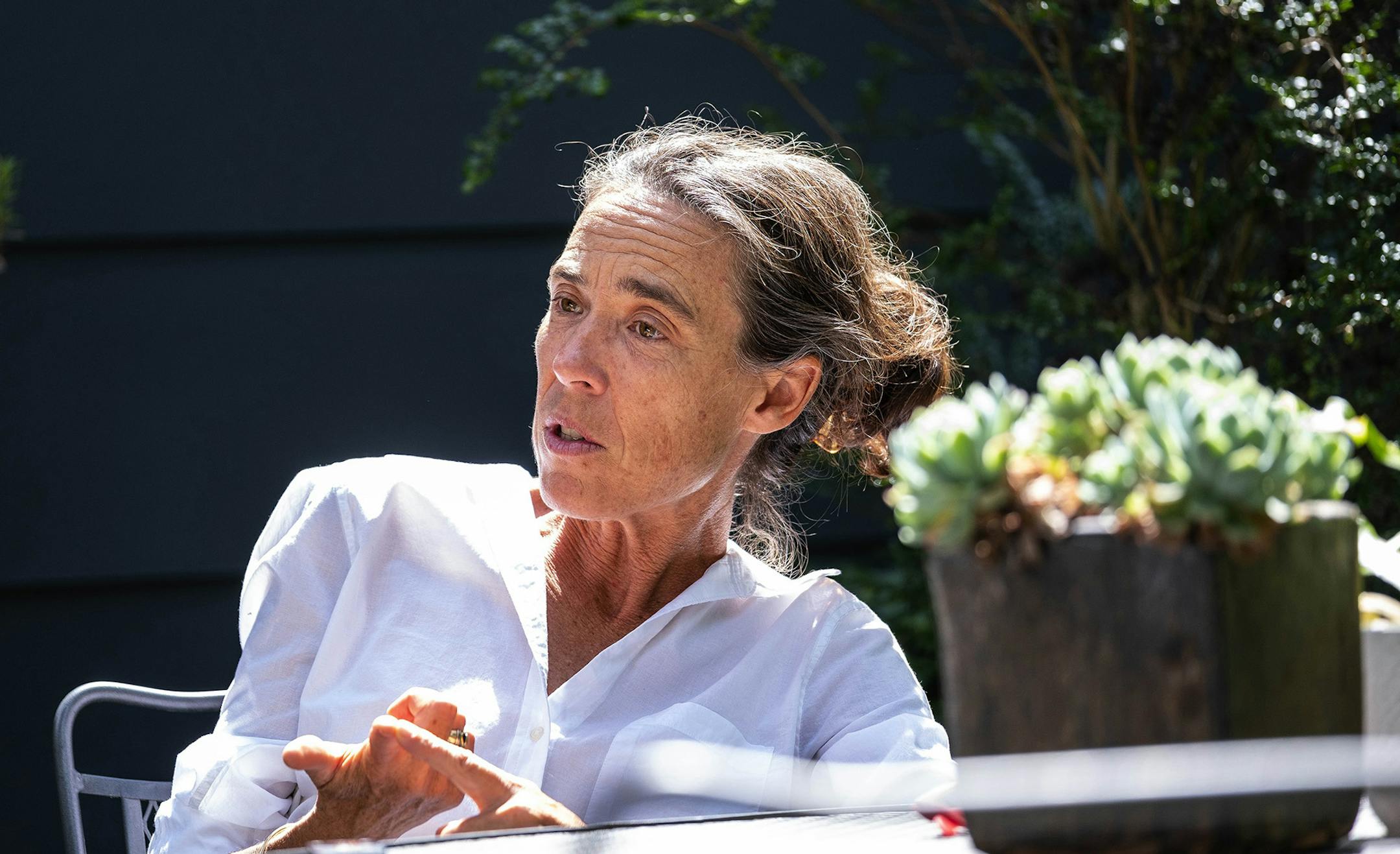
SEATTLE – Karin Huster encounters death up close, and repeatedly.
She has seen babies perish in their mothers' arms. She has watched people grieve as their loved ones were buried in white body bags drenched in bleach. She has survived a clinic where she worked being attacked, burned and shot at.
"It's the best job in the world," she says. "And I don't mean this lightly."
As a nurse and field coordinator for Doctors Without Borders, and previously with other organizations, Huster spends six to 12 weeks at a time away from her Seattle home, helping some of the world's most vulnerable people. Most recently, she has been in the Democratic Republic of Congo (DRC), where Ebola has killed 2,006 people and sickened 2,899 since 2018.
The Ebola virus was first discovered in 1976 in the DRC, then known as Zaire. Death from the virus, which is passed through bodily fluids, is excruciating. Victims often die from dehydration because of severe diarrhea and vomiting. Entire families can be ravaged by the disease after caring for each other at home.
The World Health Organization declared the outbreak a global health emergency in 2019, while Huster was on her fourth trip to the central African nation.
While such declarations don't always stir her neighbors to action, Huster says Americans should pay attention to Ebola outbreaks in distant lands.
"There are people who are put in situations of extreme fragility, vulnerability — they're scared and they need help," Huster said. "That's why people need to care, because it's just fundamental. Fundamentally, we're all human beings. They might be from different countries, but they really are the same. It's the same planet."