

The prevalence of respiratory viruses is making it tough for Minnesotans to know the cause of their illnesses this winter — and straining the state's hospital capacity.
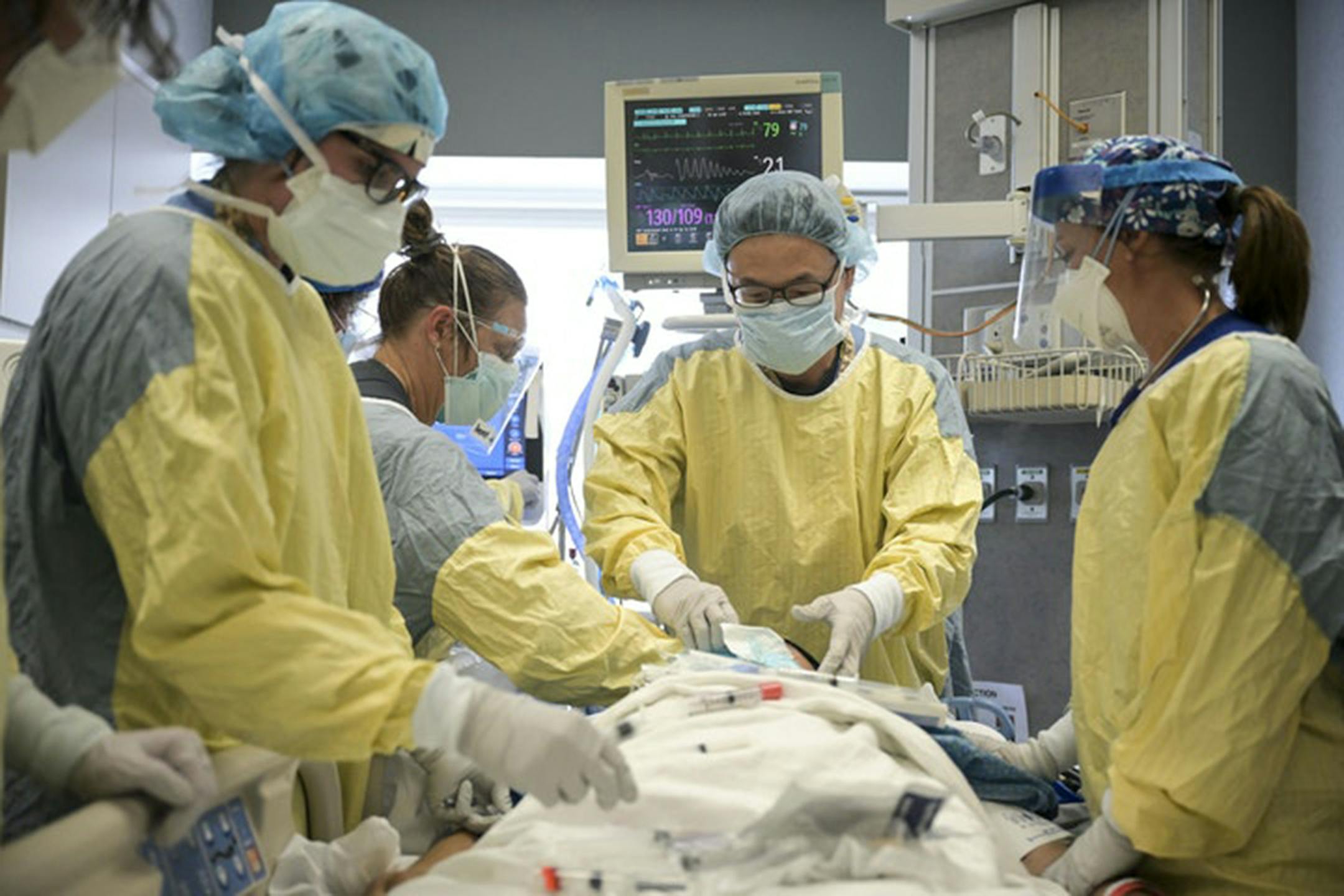
Thursday's weekly update showed that Minnesota had 8,308 occupied inpatient hospital beds Dec. 1. Overcrowding has been higher on only 14 other dates since the COVID-19 pandemic emerged in early 2020. The number declined to 8,138 Tuesday, but that remained above the 8,000-bed threshold that suggests scarcity.
Preliminary infection numbers after Thanksgiving make it unclear if another surge of patients may be coming — and whether influenza, RSV, COVID-19 or something else could be the driver.
"It is going to be a confusing respiratory infection season. Figuring out what's making people sick is going to be a conundrum," said Dr. Sandra Fryhofer, chair of the American Medical Association, earlier this week.
Flu-related hospitalizations in Minnesota dipped from 559 in the last full week of November to 501 in the week ending Dec. 3. But even that number is high for this time of year, before the usual surge in communicable illness during the holiday season.
Influenza-like outbreaks declined in schools in the first week after Thanksgiving break, but the 12 outbreaks that occurred in long-term care facilities suggest the virus is finding its way into new vulnerable populations.
Viral spread was so rapid in pediatric populations this fall that it might have peaked. Hospitalizations in the seven-county Twin Cities metro area caused by RSV, a respiratory virus harsher on infants, dropped from almost 200 four weeks ago to about 120.
Knowing which infection is at fault can be important for elderly people and others at elevated risk of severe illness, who should seek testing to receive appropriate antiviral treatments for flu or COVID-19, said Dr. Laurel Ries, a family practitioner at M Health Fairview's Rice Street Clinic in St. Paul.


