
Nuclear pact with Iran is just the first diplomatic step

The interim nuclear arms accord, despite flaws, beats alternatives.

November 26, 2013 at 12:39AM
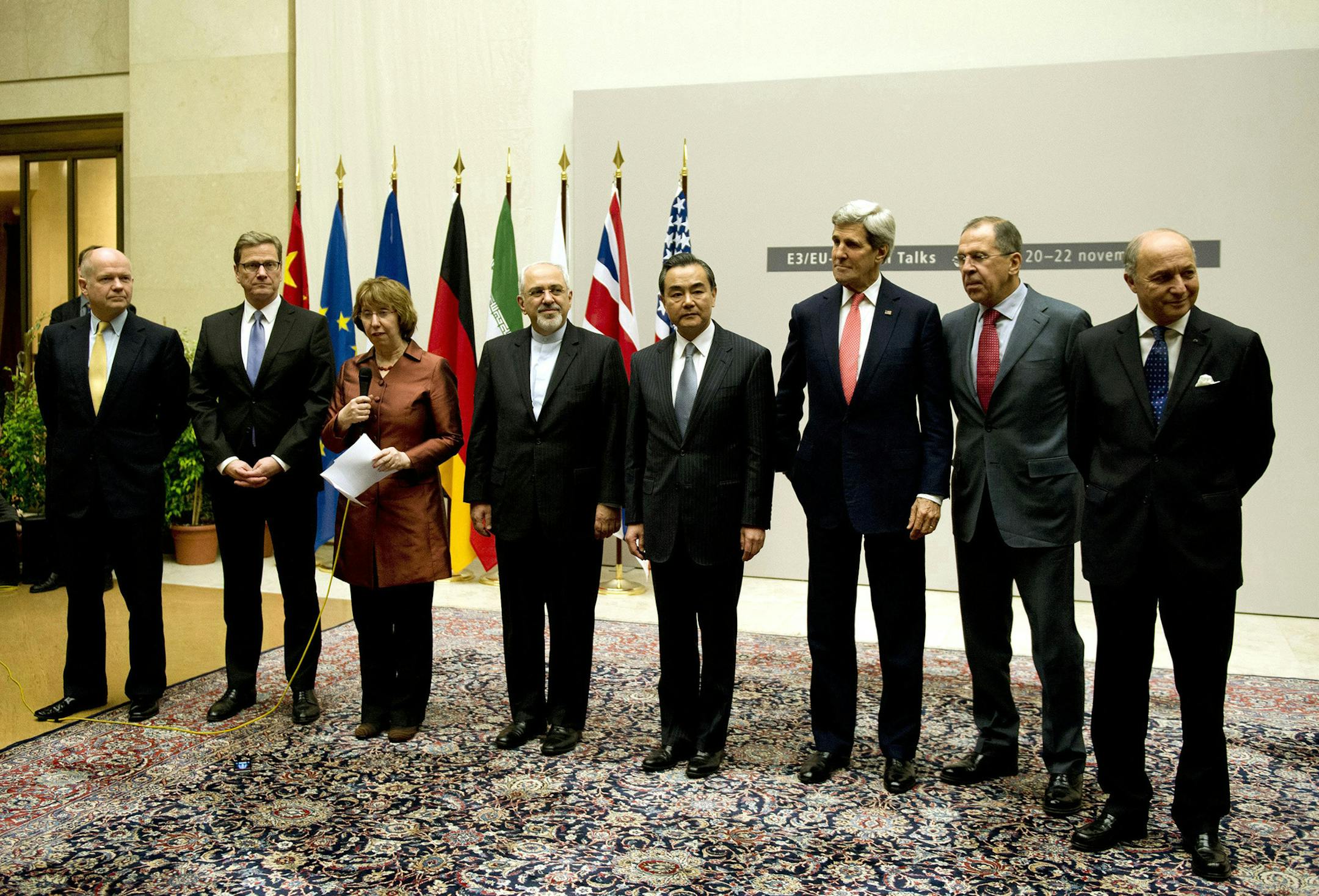
Left and right; British Foreign Secretary William Hague, Germany's Foreign Minister Guido Westerwelle, EU foreign policy chief Catherine Ashton, Iranian Foreign Minister Mohammad-Javad Zarif, Chinese Foreign Minister Wang Yi, U.S. Secretary of State John Kerry, Russian Foreign Minister Sergey Lavrov, French Foreign Minister Laurent Fabius, deliver a statement on the Iran nuclear talks during a ceremony at the United Nations in Geneva, Switzerland, Sunday, Nov. 24, 2013. Iran struck a historic nu
Iran struck a historic nuclear deal on Sunday with the United States and five other world powers. British Foreign Secretary William Hague, German Foreign Minister Guido Westerwelle, European Union foreign-policy chief Catherine Ashton, Iranian Foreign Minister Mohammad-Javad Zarif, Chinese Foreign Minister Wang Yi, U.S. Secretary of State John Kerry, Russian Foreign Minister Sergey Lavrov and French Foreign Minister Laurent Fabius delivered a statement on the talks. (The Minnesota Star Tribune)

Now comes the hard part. Not that reaching an interim agreement with Iran over its potential nuclear weapons program was easy. In fact, it took dogged diplomacy well before Geneva to get to the six-month deal that creates time to negotiate a permanent accord between Iran and six major world powers.

The difficulty is reflected in the fact that the agreement is imperfect. But it is better than many possible alternatives, including allowing Iran to get closer to having the ability to use a nuclear weapon.

Congress should resist imposing new sanctions. Doing so not only would unravel the interim deal, it would alienate allies essential to ensuring the existing sanctions work. And America's allies in the Mideast should acknowledge that constructive diplomacy with Iran could pay dividends in several other crises plaguing the region, including ­Syria's civil war and the trajectory of Afghanistan after the U.S. drawdown in 2014.

The most important aspect of the deal is that it lengthens the time frame it would take for Iran to develop a nuclear weapon should it decide to do so. But not by much — maybe only two months — and Iran retains its centrifuges, although it cannot install new ones and those in place but unused cannot be started up. Iran has to stop enriching uranium at 5 percent, and dilute or convert into oxide its stockpile of 20 percent enriched uranium.

The deal also prohibits new advances at the Natanz, Fordow and Arak nuclear facilities. And Iran agreed to face daily inspections by the International Atomic Energy Agency to determine compliance. "Trust, but verify," as President ­Ronald Reagan rightly said of Soviet-era accords.

In exchange, the United States agreed to provide up to $7 billion in sanctions relief, including unfreezing about $4.2 billion in oil revenue. The vast majority of the international sanctions regime would remain.

It's far from the ideal, which would have Iran erase all doubts by abandoning its program altogether. The reality that Iran is unwilling to do so is why the brinkmanship exists in the first place. Diplomacy is not a dictate: Compromises are necessary from both sides. And just as the agreement faces hostility at home, it may be hard for Iran's negotiators to sell it to hard-liners in Tehran.

The sanctions were supposed to be a means to an end. Their purpose was to pressure Iran into a negotiated settlement. At least on an interim basis, that strategy has paid off.
Congress has generally played a constructive role in pressuring Iran by imposing strict sanctions. And it will have ample opportunity to ratchet up sanctions after the interim agreement, or even during it, if it is determined that Iran is noncompliant or will not commit to a permanent deal.

Congressional critics should recognize that political posturing is fine unless it harms the national interest. Indeed, some of their howls ring a bit hollow, especially from those in Congress who recently opposed using military force against a Syrian regime that killed scores of civilians with chemical weapons and has prosecuted a vicious civil war that has left more than 100,000 dead and millions internally displaced or seeking refuge in neighboring nations.

President Obama will need to work much harder to assure Persian Gulf allies and Israel that far from abandoning the region, he seeks to keep it from spiraling into a regional nuclear arms race, or an outright war. It's understandable that Israel considers Iran an existential threat. Just as it is understandable that Gulf allies see Iran spurring the dangerous sectarian divide that is becoming a defining issue of the region.

Only time will tell if the deal is a "historic mistake," as Israeli Prime Minister Benjamin Netanyahu called it. But it's important to consider that it's just as likely that it would be a historic mistake to miss an opportunity to address the nuclear threat posed by Iran diplomatically.

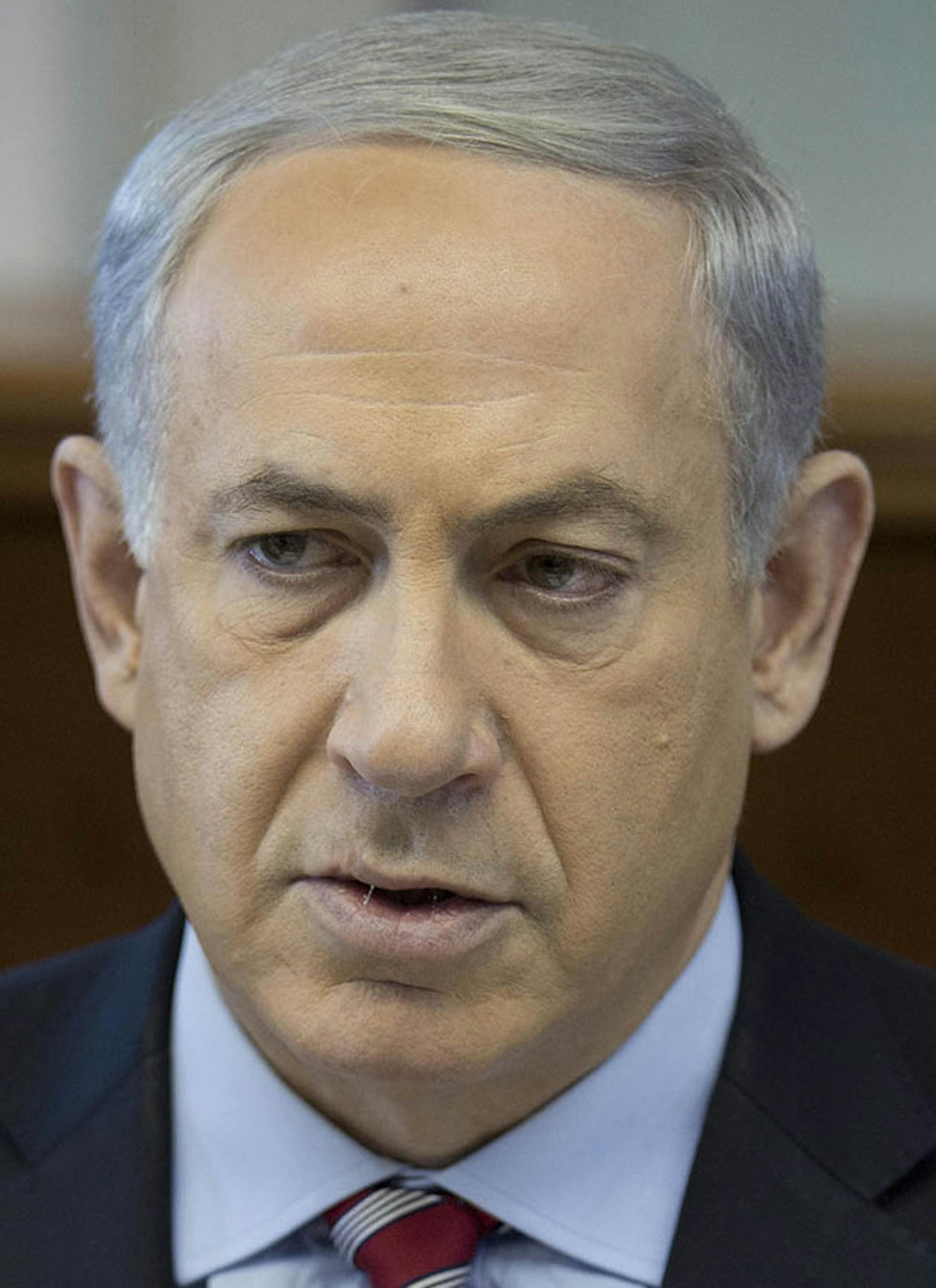
Israeli Prime Minister Benjamin Netanyahu attends the weekly cabinet meeting at his office in Jerusalem, Israel, Sunday, Nov. 24, 2013. After feverishly trying to derail the international community's nuclear deal with Iran in recent weeks, Israeli Prime Minister Benjamin Netanyahu now has little choice but to accept an agreement that he has derided as deeply flawed. (AP Photo/Abir Sultan, Pool) ORG XMIT: MIN2013112516121664
Benjamin Netanyahu (The Minnesota Star Tribune)
about the writer

about the writer

Editorial Board

See Moreicon

More from No Section

See More
FILE -- A rent deposit slot at an apartment complex in Tucker, Ga., on July 21, 2020. As an eviction crisis has seemed increasingly likely this summer, everyone in the housing market has made the same plea to Washington: Send money — lots of it — that would keep renters in their homes and landlords afloat. (Melissa Golden/The New York Times) ORG XMIT: XNYT58
Melissa Golden/The New York Times

It’s too soon to tell how much the immigration crackdown is to blame.