

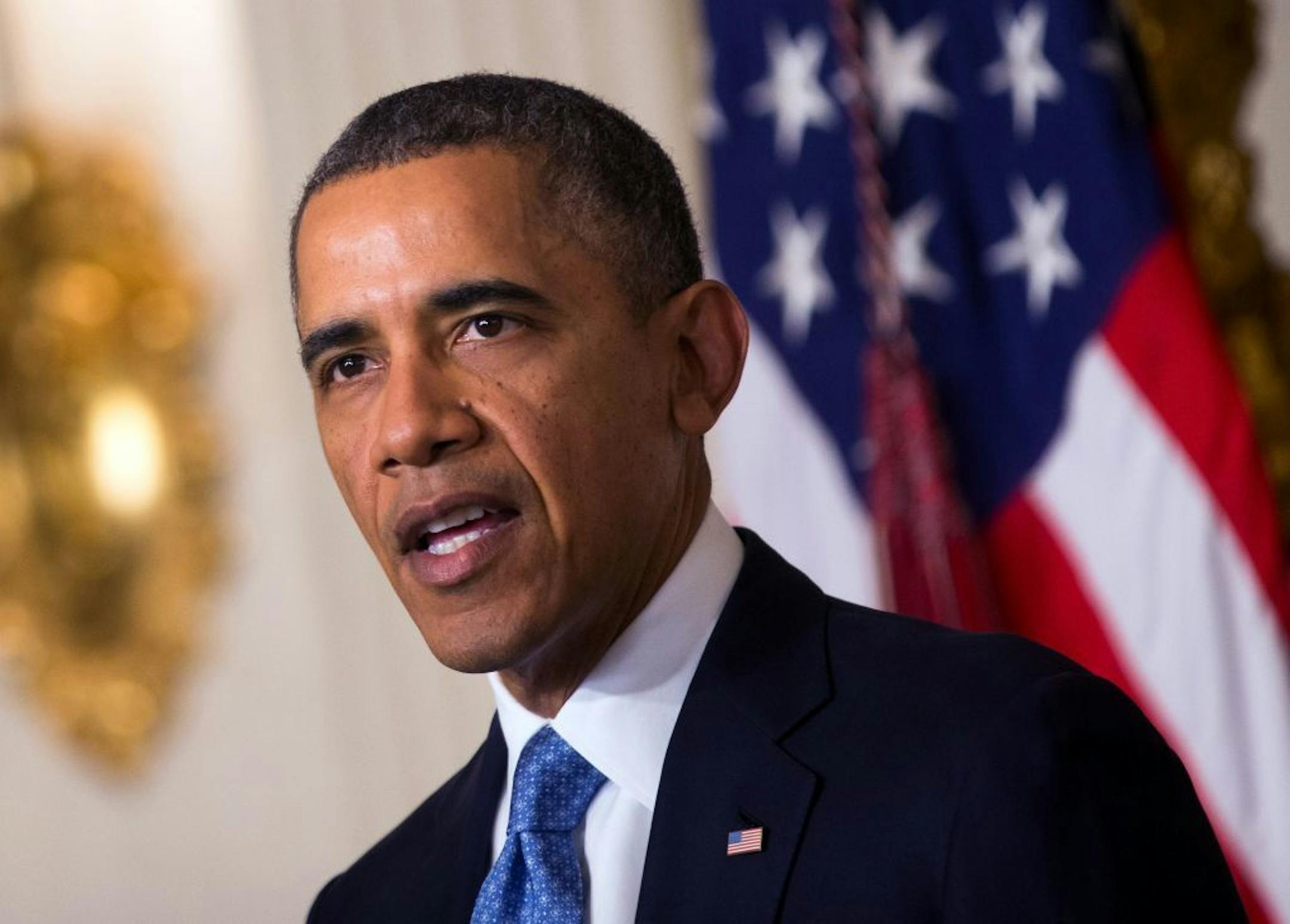
WASHINGTON – In a sharp and unexpected shift, the national debate over U.S. government surveillance seems to be turning in favor of reining in the National Security Agency's expansive spying powers at home and abroad. It's happened suddenly, over a span of just three days.
First, a federal judge ruled that the NSA's bulk collection of telephone records was unconstitutional, and then a presidential advisory panel recommended sweeping changes to the agency. Together, the developments are ratcheting up the pressure on President Obama to scale back the controversial surveillance programs.
Even Russian President Vladimir Putin chimed in on Thursday. He said U.S. surveillance efforts are necessary to fight terrorism and "not a cause for repentance," but he, too, said they should be limited by clear rules.
Obama is not obligated to make substantial changes. And, countering the public criticism he faces, he hears internal appeals from intelligence officials who insist the collection of phone and Internet data is necessary to protect the U.S. from terror attacks.
But even that argument has been undermined in the course of an extraordinary week. Federal Judge Richard Leon said in a ruling on Monday — its effect stayed, pending appeal — that even if the phone data collection is constitutional, there is little evidence that it has prevented terror attacks.
The intelligence advisory panel, which had access to classified information and counted as a member a former acting director of the CIA, came to the same conclusion in its 300-page report.
Sen. Ron Wyden, D-Ore., a fierce critic of the NSA programs, concluded, "What this says to the millions of Americans who have been concerned that the government knows who they called and when they called and for how long, this says it wasn't essential for preventing attacks."
The White House has already rejected one proposal from the task force, which would have allowed for a civilian to head the NSA. While Obama spokesman Jay Carney said Thursday that the president was open to each of the panel's other 45 recommendations, a U.S. official familiar with the deliberations said that Obama rejected several of the proposals out of hand when he met with the panel members this week.


