Northern Minnesota's signs display words in American Indian languages

May 31, 2014 at 11:52PM
(The Minnesota Star Tribune)

The green-and-white road sign that will soon be erected along Pine Drive in St. Louis County will let travelers know they are passing "Side Lake." It will also feature the Anishinaabe language translation: "Beke-zaagidawaag."

About 6 miles away, another sign will point out not only "Simian Lake," but also "Chi-wizo-zaaga'iganing."

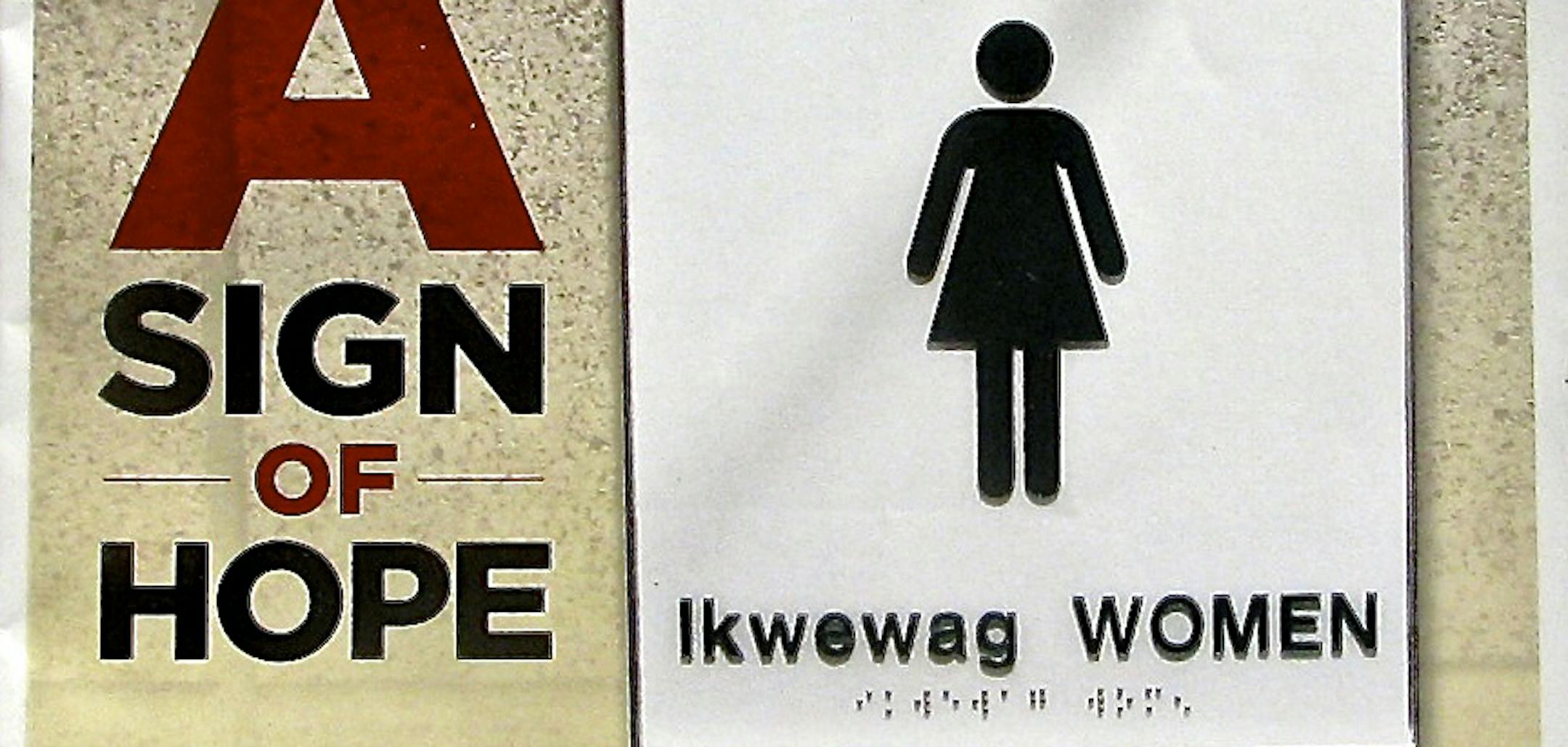
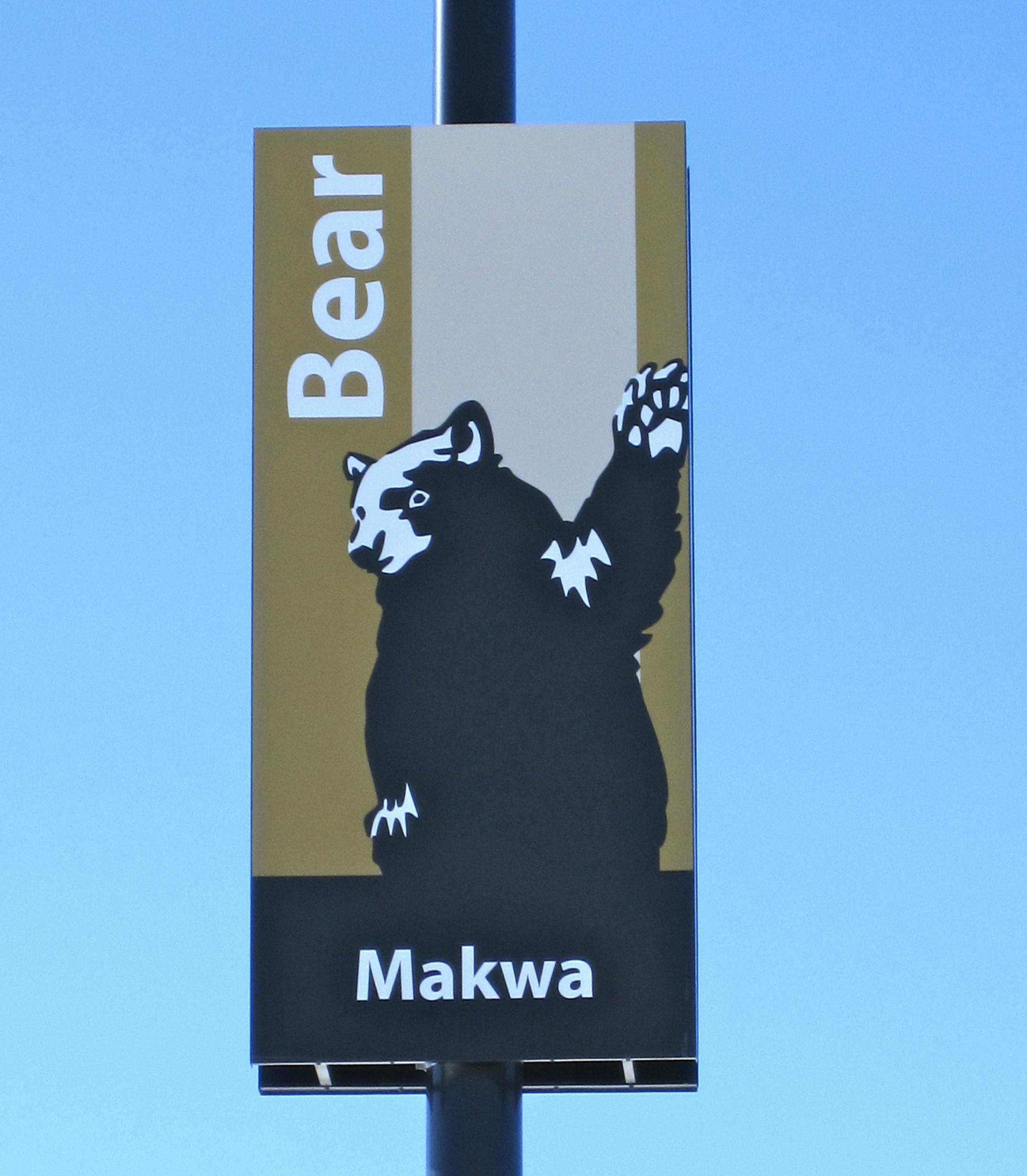
Such bilingual signs are becoming more commonplace across northern Minnesota, part of an effort to preserve American Indian culture and language, which one organization listed as endangered.

St. Louis County's agreement with the Fond du Lac Band of Lake Superior Chippewa is the latest in a series of efforts among tribes, county governments and businesses over the past few years. American Indian language signs have gone up on roads, buildings and even coffee shops.

Carlton County installed five bilingual road signs last year, also in cooperation with the Fond du Lac Band. Businesses in Bemidji voluntarily embraced the change, too.

"Things are looking up in general but we still have a long ways to go," said Erik Redix, an assistant professor of American Indian Studies at the University of Minnesota Duluth. "It's important that we keep those names alive and have the signage … to understand that we've had this long connection to the land."

Michael Meuers, a Bemidji resident who created the movement through a group called Shared Vision, said the idea took off quickly after he approached some Bemidji businesses.

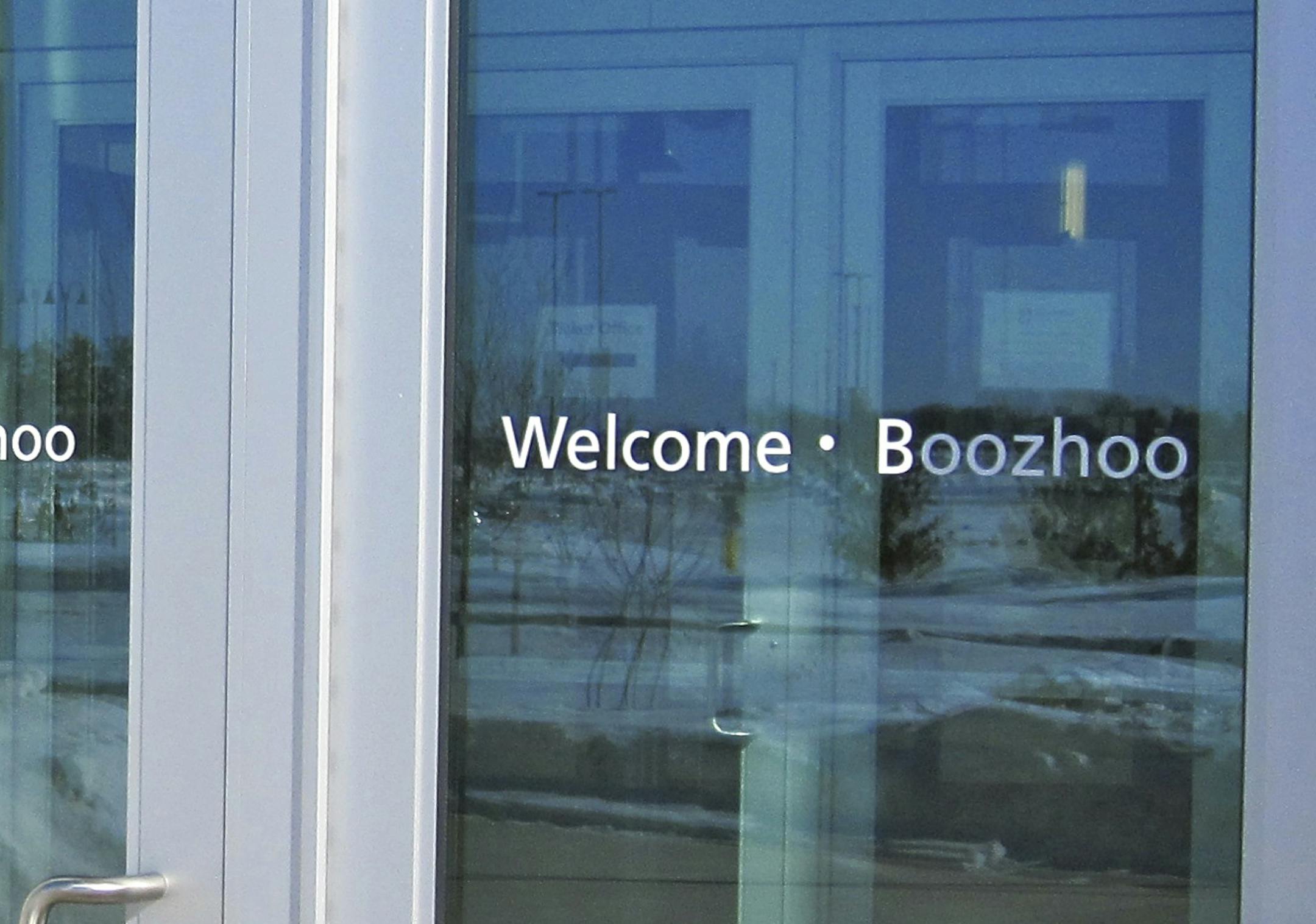
Now, at the local convention center, doors say "boozhoo" as well as "welcome."
In 2009, the United Nations Educational, Scientific and Cultural Organization called the Ojibwe-Chippewa language "severely endangered" in the United States, with 8,000 speakers remaining, mostly in Minnesota, Wisconsin and Michigan. The Dakota language, with 25,000 speakers, was categorized as "unsafe."

Some language experts say the numbers are far lower, however.

In St. Louis County, the Fond du Lac Band is buying the signs for about $150 each. The county will install and maintain them, officials said.

The band approached the county, which agreed to the deal with little discussion, County Board Member Steve Raukar said. It's good for tourism and for raising cultural heritage awareness, he said.

In Bemidji, more than 250 businesses and organizations are using bilingual signs, said Anton Treuer, executive director of the American Indian Resource Center at Bemidji State University.

"I think it's been nice for nonnative business owners and organizations to find a safe way to reach out and say, 'We value our native citizens, clients, students,' " Treuer said. "This hasn't fixed the bigger issues of race in our communities. What it has done, I think, is create some safe space where we can talk about those bigger issues."

Revitalizing tribal language and culture is key to broader tribal engagement in education and increasing economic status, he added: "I think there's growing awareness that knowing about something like tribal language and culture is an asset, not a deficit."

Pam Louwagie • 612-673-7102


Bilingual signage in northern Minnesota has started to become commonplace, displaying words in American Indian languages to raise cultural awareness. (The Minnesota Star Tribune)
Meuers (The Minnesota Star Tribune)
(The Minnesota Star Tribune)
about the writer

about the writer

Pam Louwagie

Reporter

Pam Louwagie is a regional reporter for the Minnesota Star Tribune. She previously covered courts and legal affairs and was on the newspaper's investigative team. She now writes frequently about a variety of topics in northeast Minnesota and around the state and region.

See Moreicon

More from No Section

See More
FILE -- A rent deposit slot at an apartment complex in Tucker, Ga., on July 21, 2020. As an eviction crisis has seemed increasingly likely this summer, everyone in the housing market has made the same plea to Washington: Send money — lots of it — that would keep renters in their homes and landlords afloat. (Melissa Golden/The New York Times) ORG XMIT: XNYT58
Melissa Golden/The New York Times

It’s too soon to tell how much the immigration crackdown is to blame.