

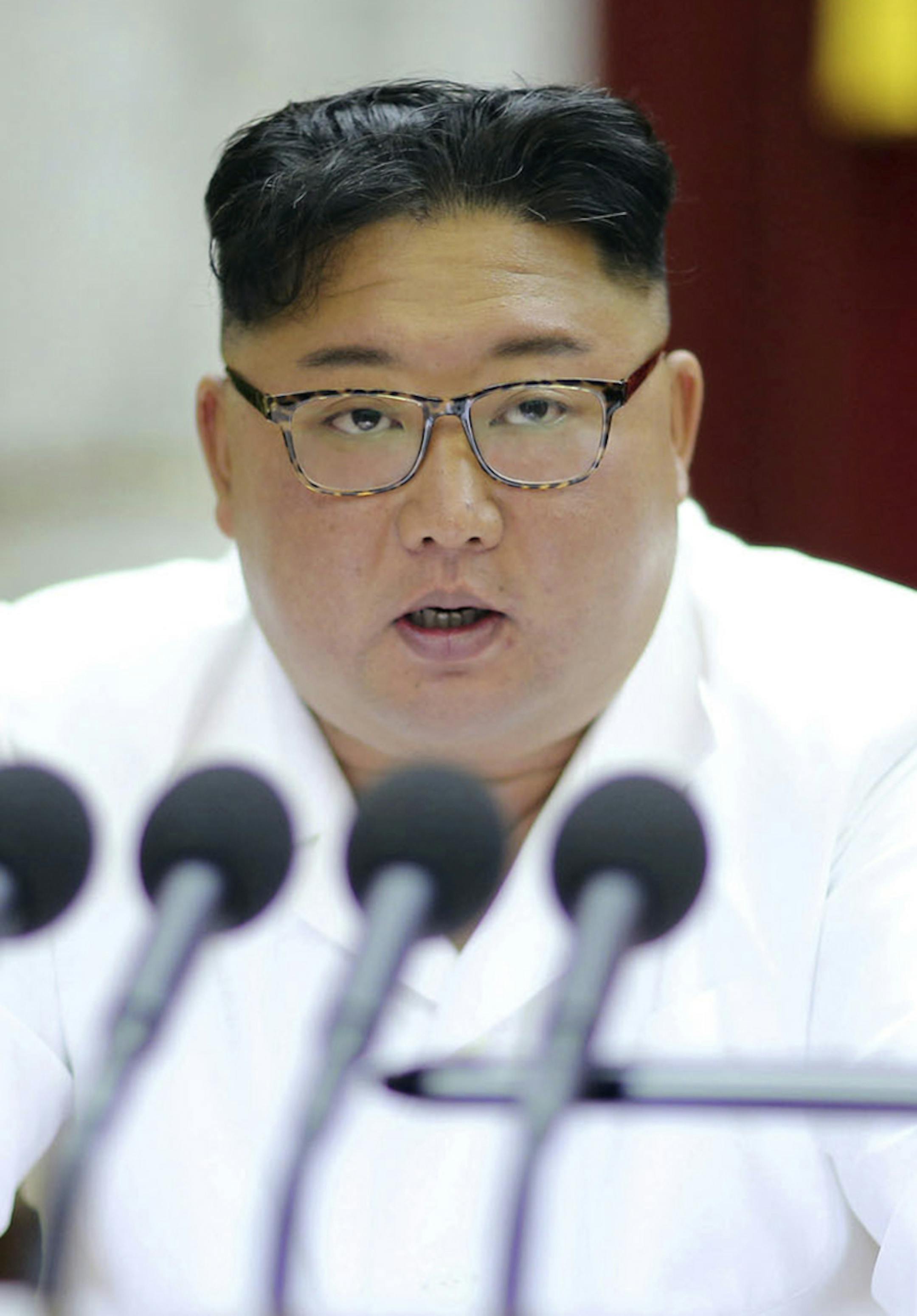
TOKYO – For months, North Korean leader Kim Jong Un has been threatening to take a "new path" in nuclear talks if President Donald Trump doesn't sweeten the deal by the end of the year. Now, the world might learn where that road leads.
Kim's biggest annual speech — a televised New Year's address to the North Korean people — will provide an opportunity hours after his self-imposed deadline passes to signal whether he intends to mend fences or escalate tensions.
He has used the event to do both before: previewing a breakthrough intercontinental ballistic missile launch in 2017 and opening the door to talks with South Korea a year later.
This time, most signs point to escalation. North Korea has expressed increasing frustration with the American side since Trump walked out of their last formal summit in February. Kim resumed missile launches at a record-setting pace and repeatedly warned that his two-year freeze on ICBM and nuclear-bomb tests might be coming to an end.
Even as 2019 drew to a close, Kim was huddled behind closed doors with the ruling Workers' Party in Pyongyang for one of the most significant such meetings since he took power eight years ago. He urged the so-called plenum "to take positive and offensive measures for fully ensuring the sovereignty and security of the country as required by the present situation," the state-run Korean Central News Agency (KCNA) said Monday, without elaborating.
"KCNA's reporting of the party plenum suggests Pyongyang is planning a more hard-line approach next year, if Washington doesn't present a satisfactory deal before the year is out," said Duyeon Kim, a senior adviser on Northeast Asia and nuclear policy at the International Crisis Group. Still, she cautioned: "We just don't know the shape and size that provocations might take next year."
Speculation about what message Kim Jong Un might deliver in the televised address Wednesday morning has run the gamut. He might offer stronger rhetoric while keeping the door open for talks. Or he might declare negotiations over and signal an impending weapons test.
Any message will come against the politically charged backdrop of a U.S. presidential election, in which Trump's Democratic rivals are seeking to portray him as destabilizing to global security and too accommodating toward autocrats.


