FARGO – Boasting miles of open prairie and a fiercely independent populace, North Dakota contentedly refrained from statewide stay-at-home orders or mask mandates for months as COVID-19 spread across the country.
With a relatively low case rate, many here saw little need for aggressive measures to confront the pandemic.
But after an autumn surge catapulted the state into the nation's top COVID-19 hot spot, with the most cases and deaths per capita, some cities decided to take action, Fargo included.
"Truly, when we became number one in the nation, that has to be troubling to anybody. We've got to do something," said Fargo Mayor Tim Mahoney, who used his emergency powers to order up a mask mandate two weeks ago in North Dakota's largest city. "We're number one NDSU football team. … We love that. … But we never wanted to be number one COVID state in the nation."
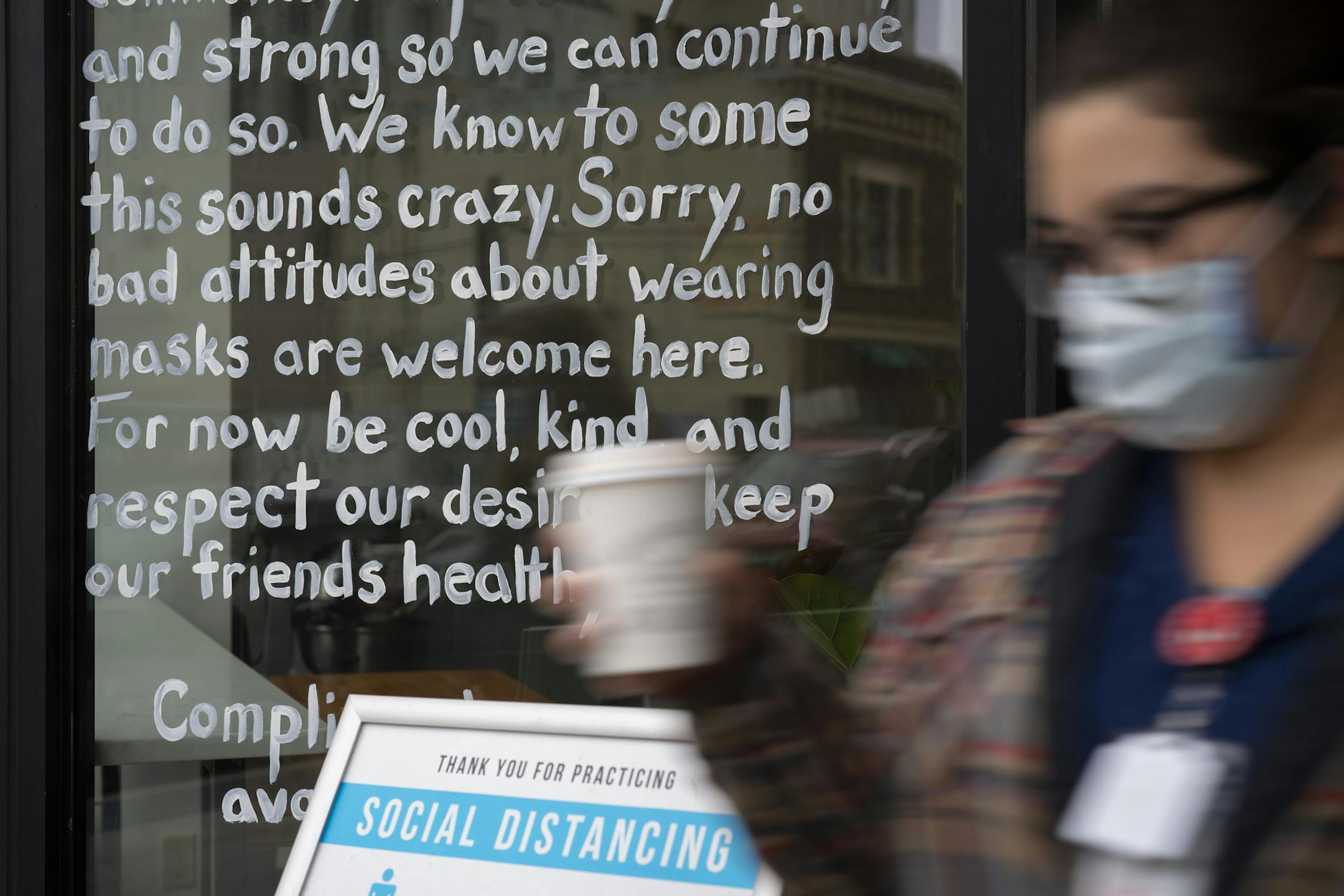
As the coronavirus crisis marches deeper into the Upper Midwest, and case rates surge in neighboring states, residents of Fargo and other cities across North Dakota are finding themselves living with a host of new precautions and safety measures. Mask policies are popping up, a hospital is supplementing its staff with contract nurses from out of town, and public health systems have been so overwhelmed that the state recently asked COVID-positive residents to conduct their own contact tracing.
Still, people here are deeply divided on how seriously they should take their troubling national ranking and how they should respond to it. Some state and local leaders, in fact, have been reluctant to make safety measures enforceable.
Gov. Doug Burgum, a Republican, has made impassioned pleas for complying with recommendations. He recently issued new guidance for counties considered high-risk. Rather than closing nonessential businesses, his guidelines include keeping occupancy at 25% with a cap of 50 people and urging mask requirements. There are also state publicity campaigns, including one asking people to "mask up."
"We're working really hard to just try to get people to comply voluntarily," said Kirby Kruger, director of disease control for the North Dakota Department of Health. "We've [been] trying to get that information out on the science behind the masks, allowing our citizens to make an informed decision on where they want to go."