

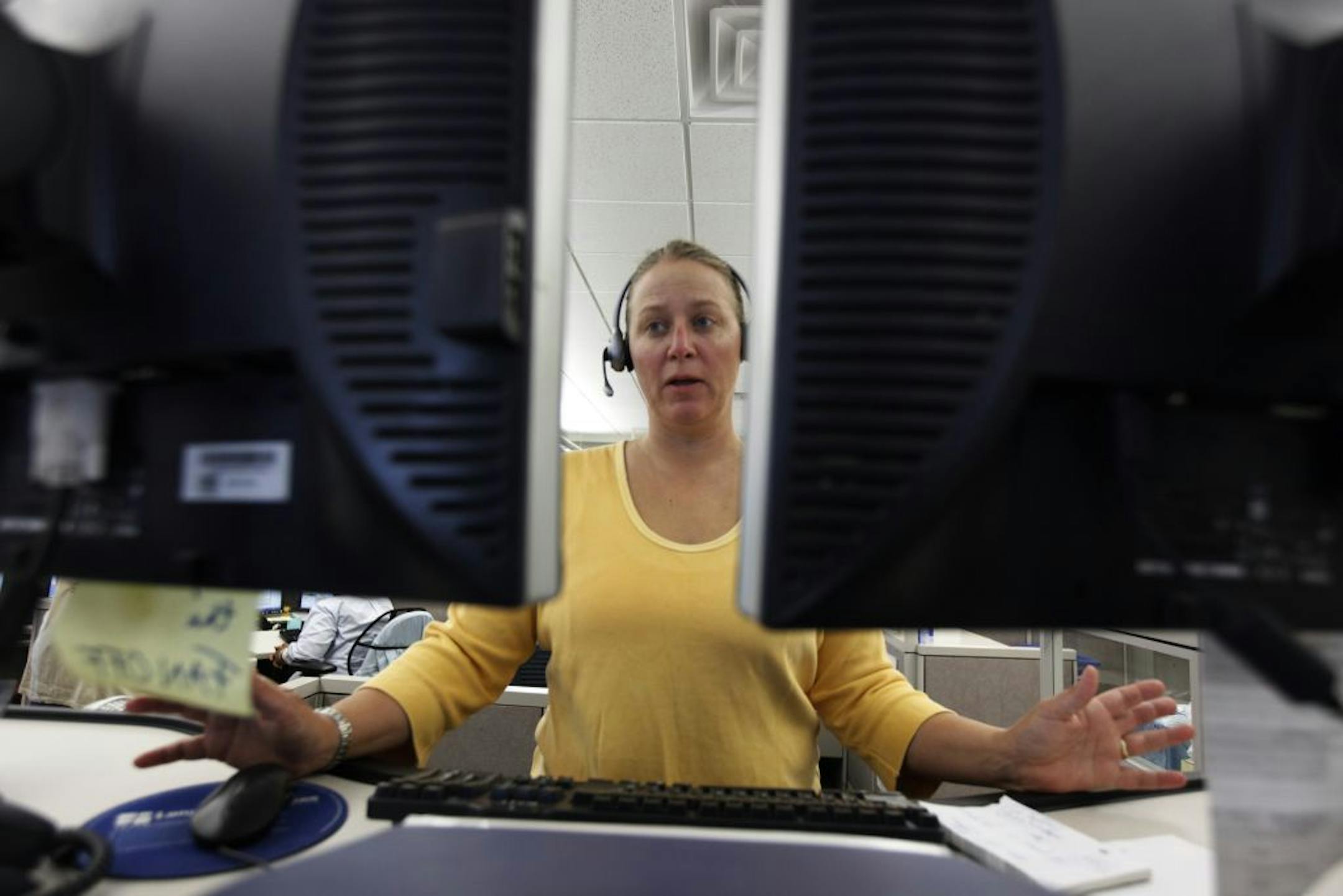
Non-English speakers who call the city of Minneapolis for information have to stay on the line twice as long because of time lost in translation.
A "Results Minneapolis" report released June 6 noted the delay and explained it comes from the system the city uses: connecting callers with a contractor who translates instead of having in-house direct translation. In 2017, nearly 4,500 people who didn't speak English called Minneapolis 311, of its 309,000 total calls.
Among those callers, nearly 75 percent spoke Spanish, 20 percent spoke Somali and the remainder spoke Hmong or other languages. Call times averaged from around 10 minutes for languages with a direct line — Hmong, Somali and Spanish — to 15.9 minutes for those who spoke other languages.
The Minneapolis City Coordinator's Office compiled the report as part of an annual effort to monitor city departments' performances. In Minneapolis 311's report, the city coordinator's office raised questions of whether it made sense to replace the current system with non-English speakers who can communicate directly with callers. Director Trish Glover said the answer is no.
"Is it something I would love to have? Absolutely," Glover said. "But the resources aren't there to handle something like that."
Last year the translation service, which offers 227 languages and dialects, cost about $40,000 of the department's $4.1 million overall budget. Hiring even one dedicated non-English speaker along with a quality assurance employee to monitor them would cost upward of $100,000, she said.
However, others believe the city is missing the mark by not having Minneapolis 311 employees who speak its citizens' languages.
"That interaction when you see someone who is Somali is much, much, much easier," said Mohamud Noor, former executive director of the Confederation of Somali Community in Minnesota.


