After a year in which only one out of 13 Nobel laureates was a woman, a top official at the institution that awards some of the prizes dismissed the idea of gender quotas, saying the current system was in line with "the spirit of Alfred Nobel's last will."
Goran Hansson, secretary-general of the Royal Swedish Academy of Sciences, said Monday in an interview with the Agence France-Presse news agency that it was "sad" that so few Nobel laureates have been women.
"It reflects on the unfair conditions in society, particularly in years past, but still existing and there's so much more to do," Hansson said. The Royal Swedish Academy of Sciences awards the Nobel Prizes in physics and chemistry, as well as the Nobel in economics.
Since 1901, 943 individuals and 25 organizations have won Nobel Prizes and the Nobel in economics. Only 58 have been women.
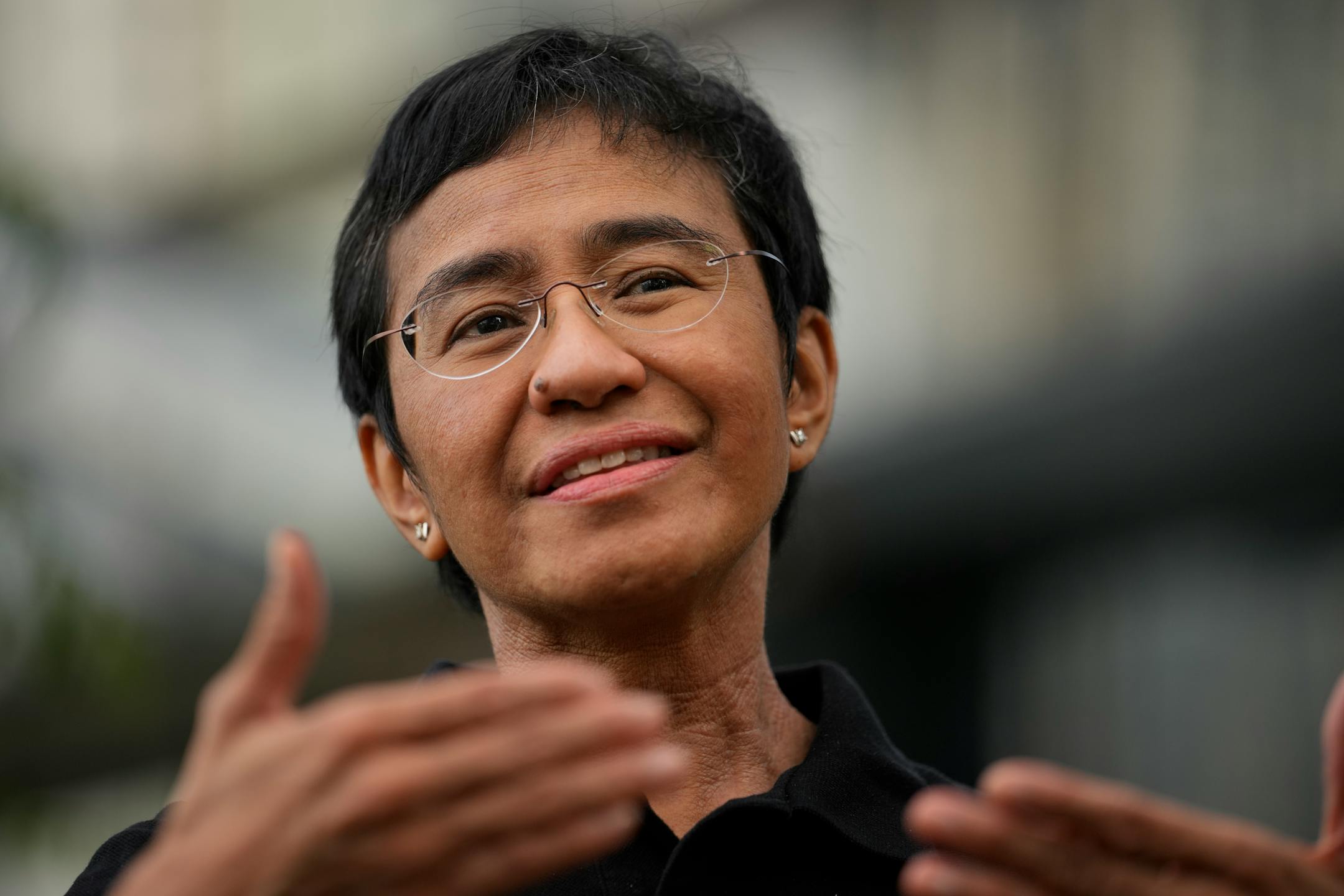
Journalist Maria Ressa of the Philippines was the only woman to be awarded a Nobel this year, sharing the Peace Prize with another journalist, Dmitri A. Muratov of Russia. Together, they were recognized for "their courageous fight for freedom of expression, which is a precondition for democracy and lasting peace."
The lack of women awarded in the sciences this year felt like a "giant step backward," said Sandy Robert, CEO of the Association for Women in Science.
"The participation, leadership, and recognition of women and minorities in science has grown over the last 50 years," Robert said in a news release. "We encourage award committees to make more of an effort to identify underrepresented scientists and learn about their work."
One woman, Marie Curie, was honored twice, winning the Nobel in physics in 1903 and the Nobel in chemistry in 1911.