

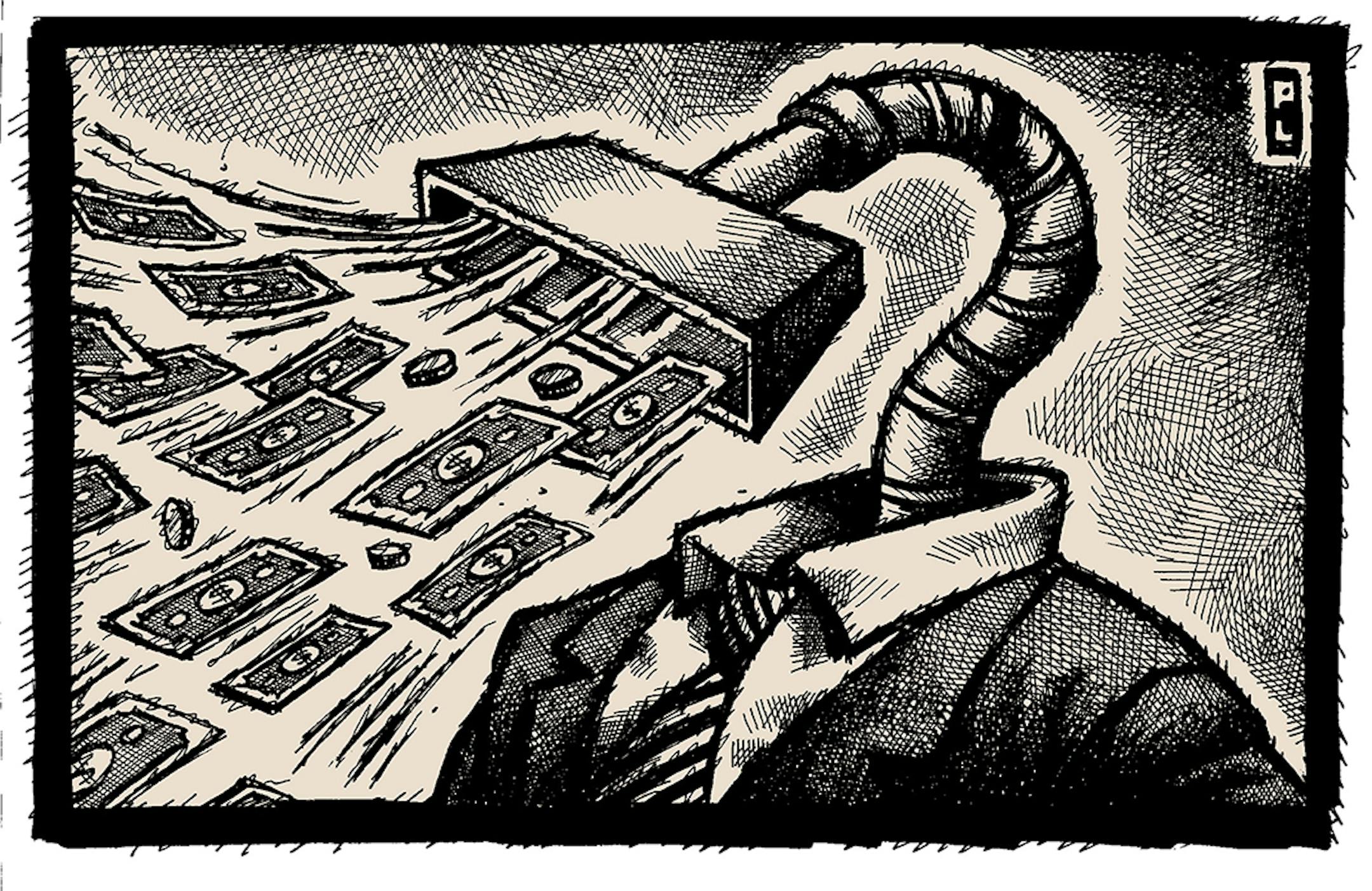
A front-page story in Sunday's Star Tribune captured a clarifying transformation that has come to the great American tax debate in 2013.
It seems that Gov. Mark ("Tax the Rich") Dayton is locked in yet another late-session showdown against recalcitrant legislative majorities, who are again threatening to balance the state's books and favor their political allies on the backs of hardworking middle-class Minnesotans.
The twist this year is that the legislative tormentors of the middle class are now Dayton's fellow Democrats, and the allies being comforted are mainly leaders and workers in schools, universities, local governments and other public-sector enclaves. And even "Dayton's stance against taxes that touch the middle class," the paper reported, "is not absolute."
As my uncle in Arkansas likes to say: You are going to need help not to understand this.
What might be easy to miss, though, is the larger change of which these entertaining developments are a part. From Washington, D.C., to St. Paul, in the wake of the 2012 elections, two separate and long-lasting formulations of political hogwash are being exposed as frauds. With luck, this could improve our chances of candidly confronting the nation's public-finance problem, at least a little.
In short, the era of "no new taxes" is over. But so is the era of "tax the rich."
For years on end, many conservatives have insisted that government at all levels has "a spending problem, not a revenue problem," and that no increases in tax levels were needed to balance the public's books.
Many liberals have countered that discomforting change in government programs could be avoided, and public investments enriched, if only we required the wealthy to finally pay their "fair share." The middle class could be spared from higher taxes.


