MILLE LACS — Early last century, when roads leading here from the Twin Cities were little more than ruts, and no one owned a car that could pull a trailer, "boat trains" snaked onto this big lake, two anglers to each rented craft, one boat tied to the next, the lot of them towed by a lead boat that was powered by a vintage, sputtering outboard.
Further back in history still, Chippewa and Dakota encampments encircled Mille Lacs. Their villagers tapped maples for syrup in spring, then netted fish for drying before settling in for long summers along the shores of a lake that still today among inhabitants and visitors alike invokes memories and inspires dreams.
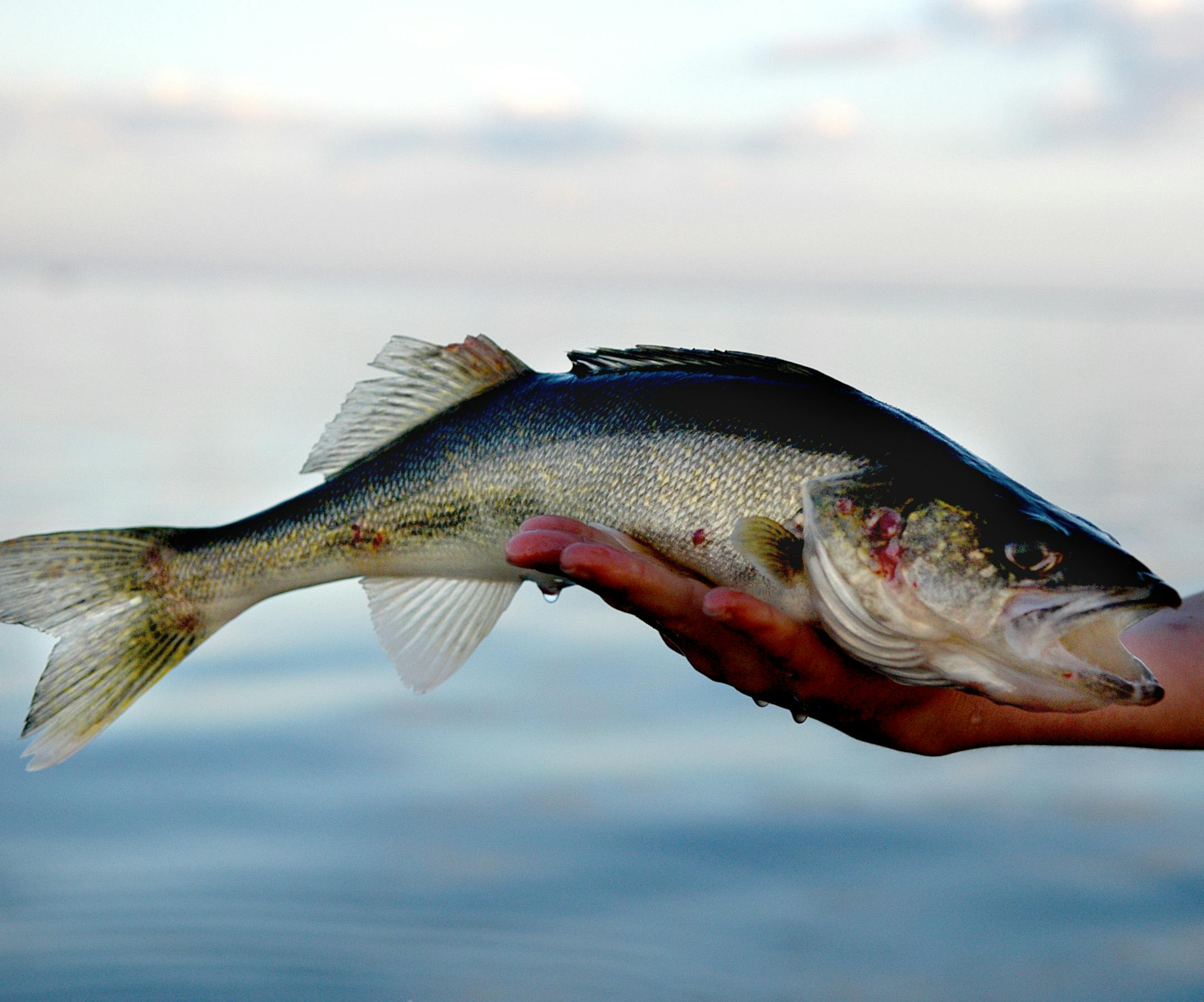
Malmo. Wealthwood. Garrison. Isle. However different the histories of these modern Mille Lacs burgs, they share common views of the big lake. Sometimes wild and foamy with whitecaps. Sometimes dead calm. Mille Lacs today remains Minnesota's premier fishing water, a fact not lost on me the other late afternoon.
I dropped my boat into Mille Lacs at the public access near Garrison. The parking lot was a quarter-full with pickups and other rigs, various sporting-affiliation stickers on their windows and empty trailers affixed silently behind. This was in contrast to the same time a year ago when parking spots were unavailable at this or other Mille Lacs launch sites, so good was the walleye fishing.
The afternoon was warm and hazy. I worked first southward along the shoreline, casting for smallmouth bass. Scaup and other ducks have overflown Mille Lacs in autumn for perhaps 18,000 years, since the time the lake was formed from melted glacial waters. Nearly as long, red and gray squirrels have scampered among its shorelines and ovenbirds, sparrow hawks and eastern wood pewees have perched among its trees. You can't appreciate Mille Lacs' natural history if the fish are biting; you're too busy. But if you have some time on your hands, casting and casting but not catching, and you have at least a faint knowledge of the way things have been here, you keep your eyes open.
I alternated crankbaits with tube jigs, swinging for the fences with each, while the sky held fast its afternoon heat.
Father Hennepin in 1680 when he first visited Mille Lacs called the place Louisiana in honor of King Louis XIV, a moniker that apparently didn't impress the Dakota, who held the good priest captive awhile, sending, as they did, the Louisiana nickname downstream from Mille Lacs, through its outflowing Rum River and eventually into the Mississippi and to the Gulf Coast.
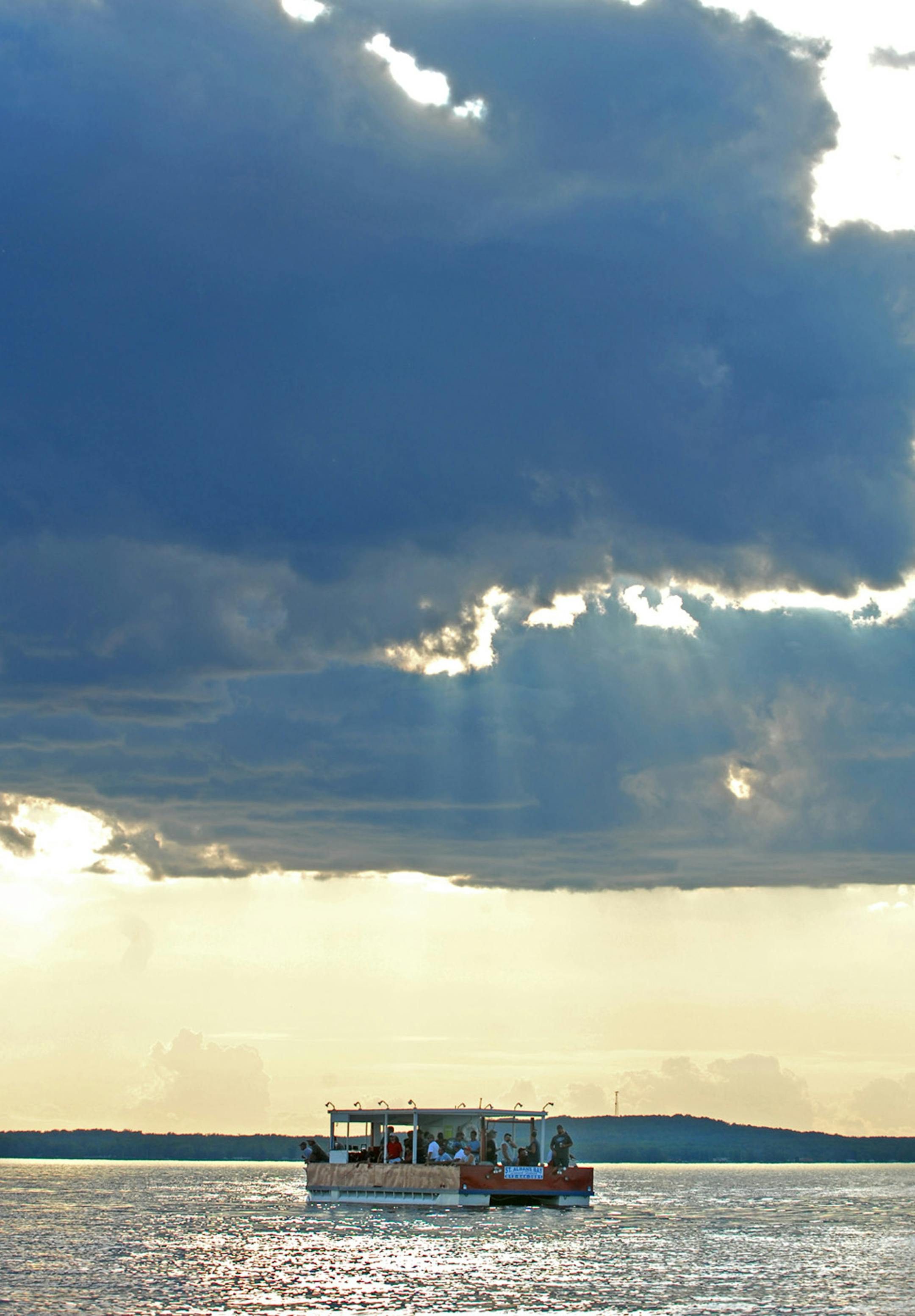
An hour passed before I stowed the rods and kicked the engine into gear. Mountainous storm clouds gathered in the distant northwest. I was perhaps a mile from shore, and along it, on the blacktop like speeding ants, cars and trucks motored parallel to the big lake. Many times at all hours I have been one of those motorists and have watched through tinted glass the lake play itself out by seasons: white and vast in winter, hot and mirrorlike in summer; other times tempestuous.