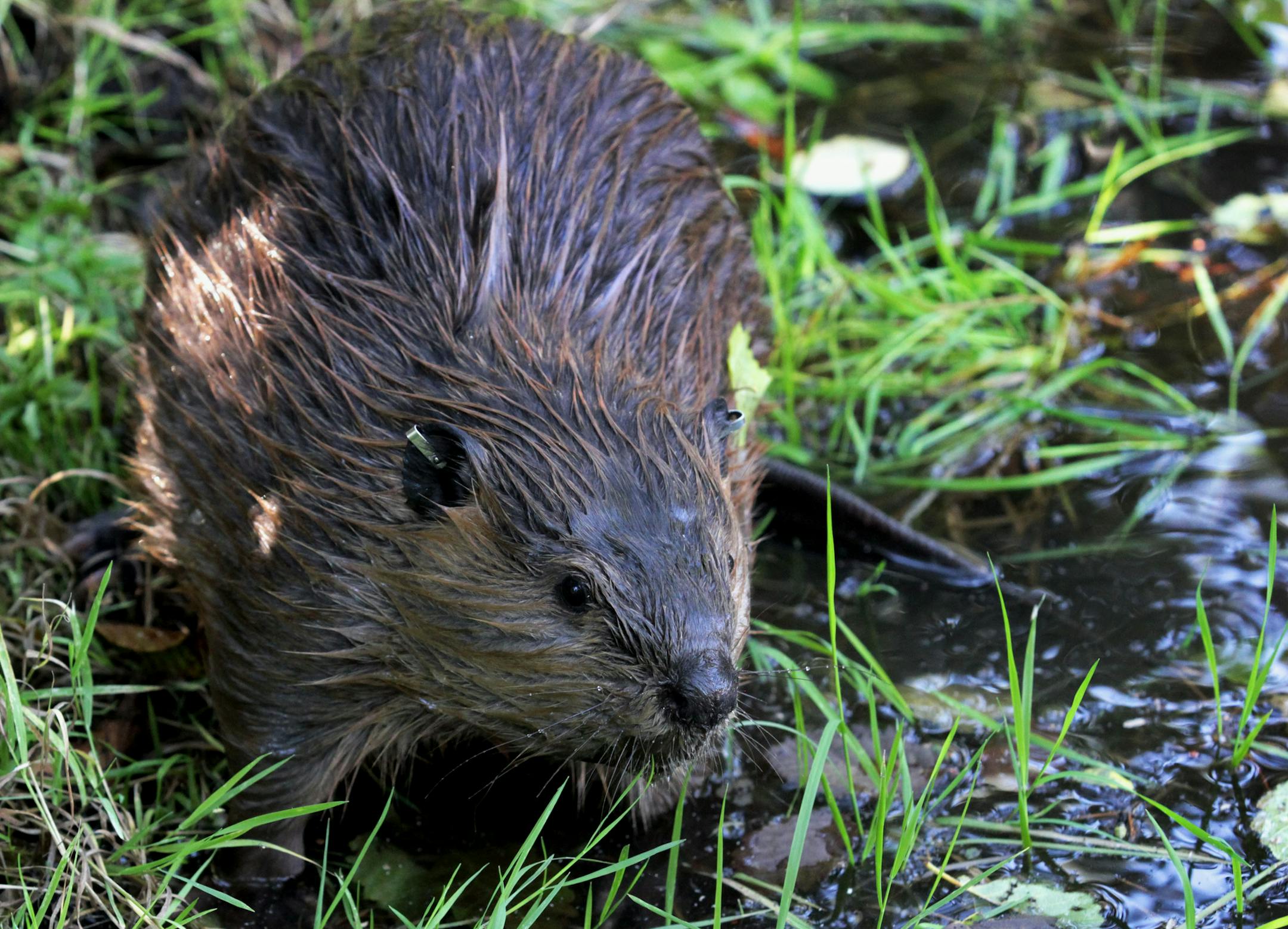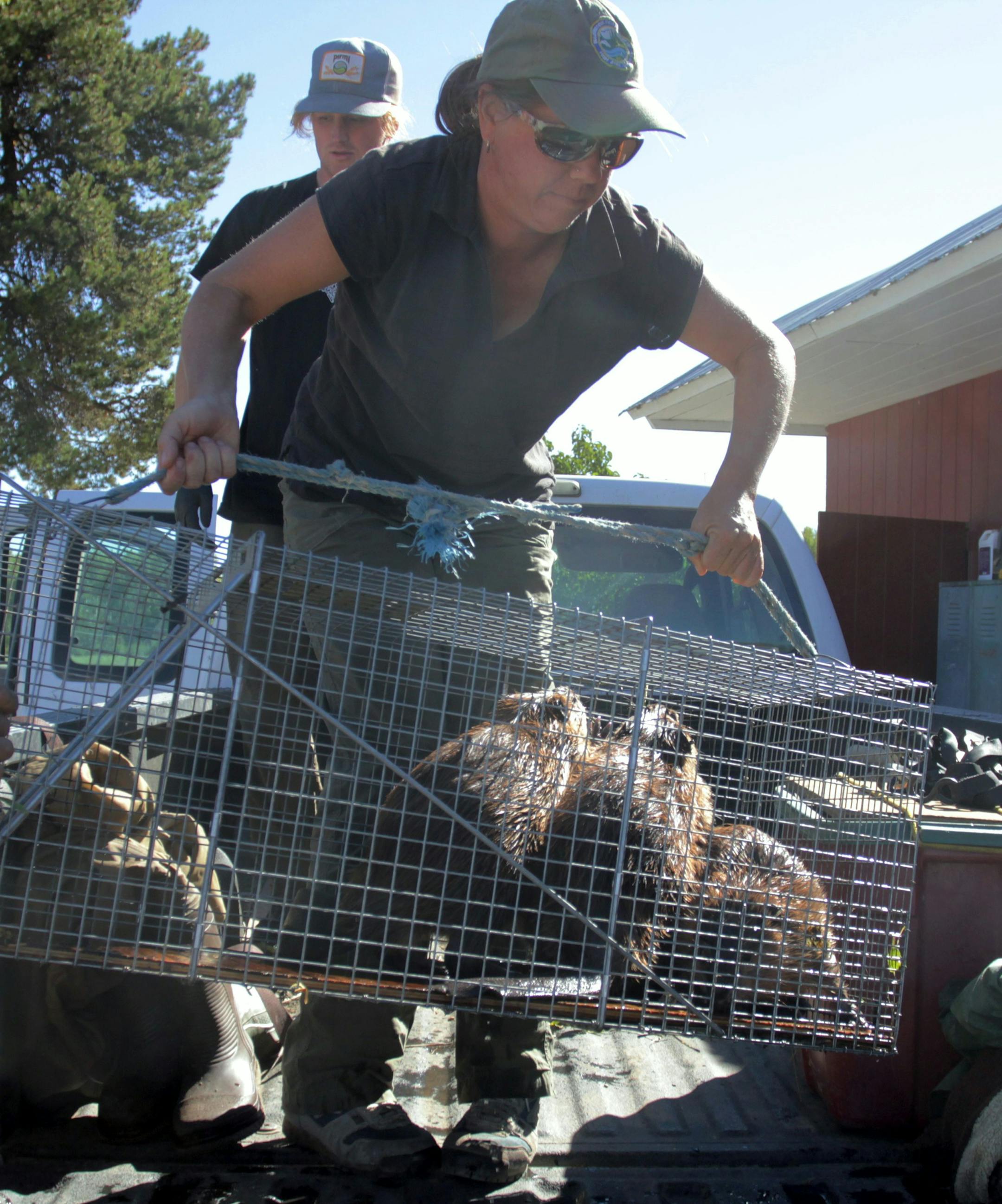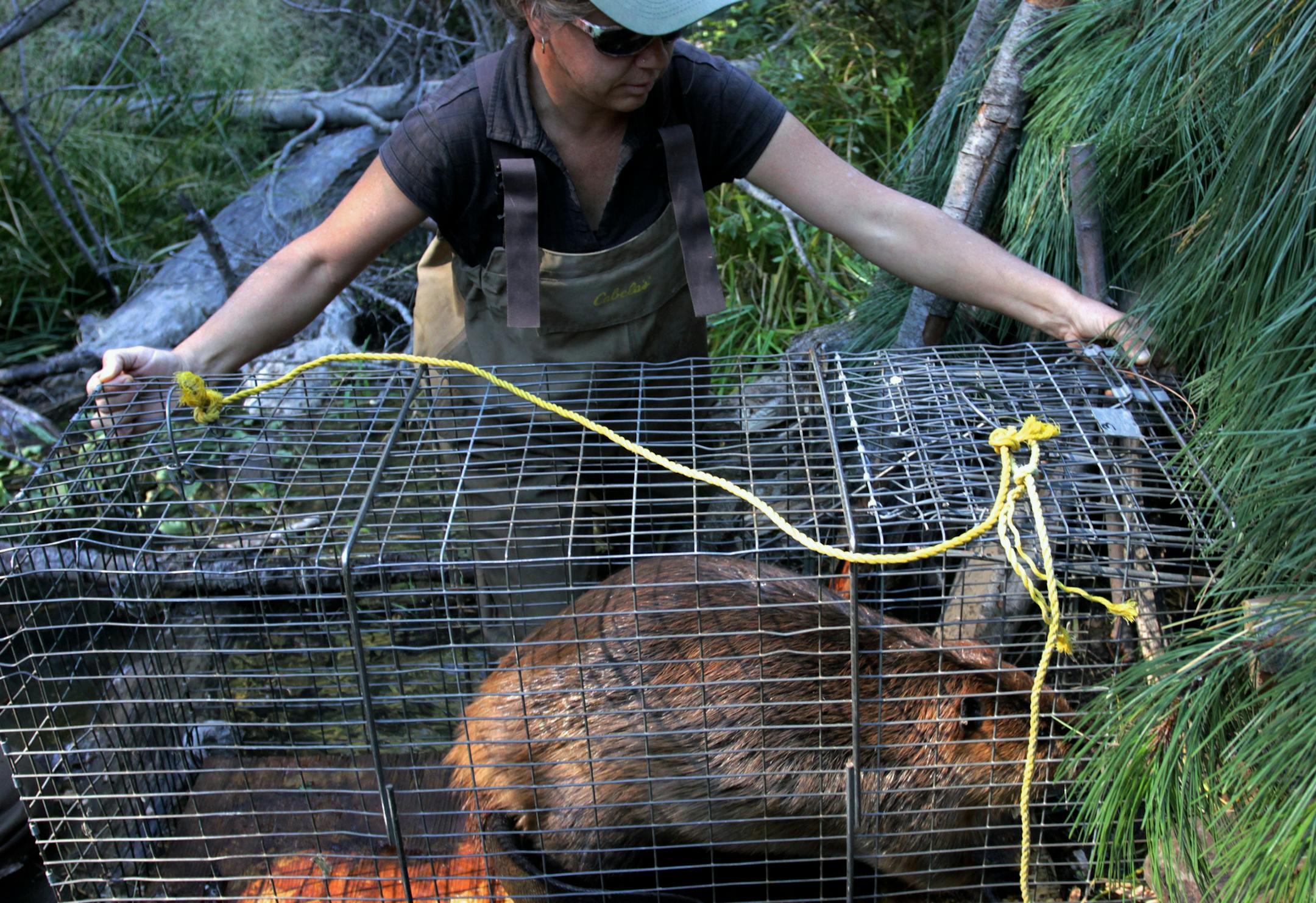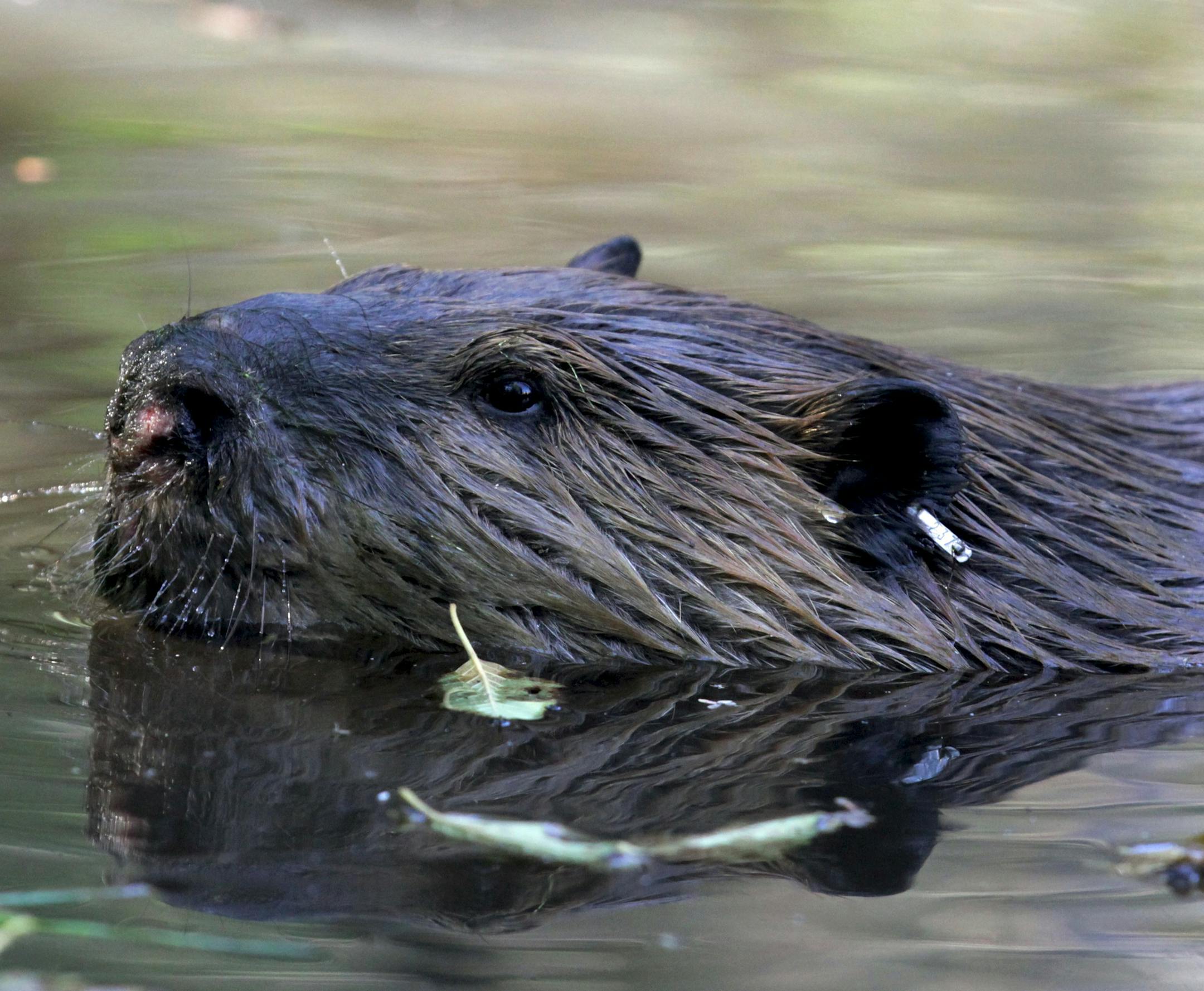
BUTTE, Mont. – Once routinely trapped and shot as varmints, their dams obliterated by dynamite and bulldozers, beavers are getting new respect these days. Across the West, they are being welcomed into the landscape as a defense against the withering effects of a warmer and drier climate.
Beaver dams, it turns out, have beneficial effects that can't easily be replicated in other ways. They raise the water table alongside streams, aiding the growth of trees and plants that stabilize the banks and prevent erosion. They improve fish and wildlife habitat and promote new, rich soil.
And perhaps most important in the West, beaver dams do what all dams do: hold back water that would otherwise drain away.
"People realize that if we don't have a way to store water that's not so expensive, we're going to be up a creek — a dry creek," said Jeff Burrell, a scientist with the Wildlife Conservation Society in Bozeman, Mont. "We've lost a lot with beavers not on the landscape."
For thousands of years, beavers, which numbered in the tens of millions in North America, were an integral part of the hydrological system. "The valleys were filled with dams, as many as one every hundred yards," Burrell said. "They were pretty much continuous wetlands."
But the population plummeted, largely because of fur trapping, and by 1930 there were no more than 100,000 beavers, almost entirely in Canada. Lately the numbers have rebounded to an estimated 6 million.
Now, even as hydroelectric and reservoir dams are coming under fire for their wholesale changes to the natural environment, an appreciation for the benefits of beaver dams — even artificial ones — is on the rise.
Experts have long known of the potential for beaver dams to restore damaged landscapes, but in recent years the demand has grown so rapidly that government agencies are sponsoring a series of West Coast workshops and publishing a manual on how to attract beavers.