

The main ingredient that hooked me into watching basketball was the accurate long-range shooter. Those players always came with the adjective "deadly" in print and in radio and TV commentary.
There wasn't much college basketball to be found on TV in the 1950s and into the '60s, but if Indiana was on the Big Ten Game of the Week with Jimmy Rayl, you wanted to see those soaring jumpers that were majestic even in black and white.
As grand as was Edgerton's championship in 1960, my favorite actual title game in the one-class days was Marshall 74, Cloquet 73 in 1963, a shootout featuring deadly shooters Terry Porter and Whitey Johnson for Marshall and Mike Forrest and Dave "Mouse" Meisner for Cloquet.
What made the long-range shooter mesmerizing was coaches were very selective in allowing players to shoot from 20 feet or more. Now we have the opposite. Even the "blacksmiths," as we called them, have the green light to damage rims.
Amid the hail of threes from NBA teams, the great shooters can become lost among teammates throwing the ball in the general direction (yes, Josh Okogie, we're talking about you).
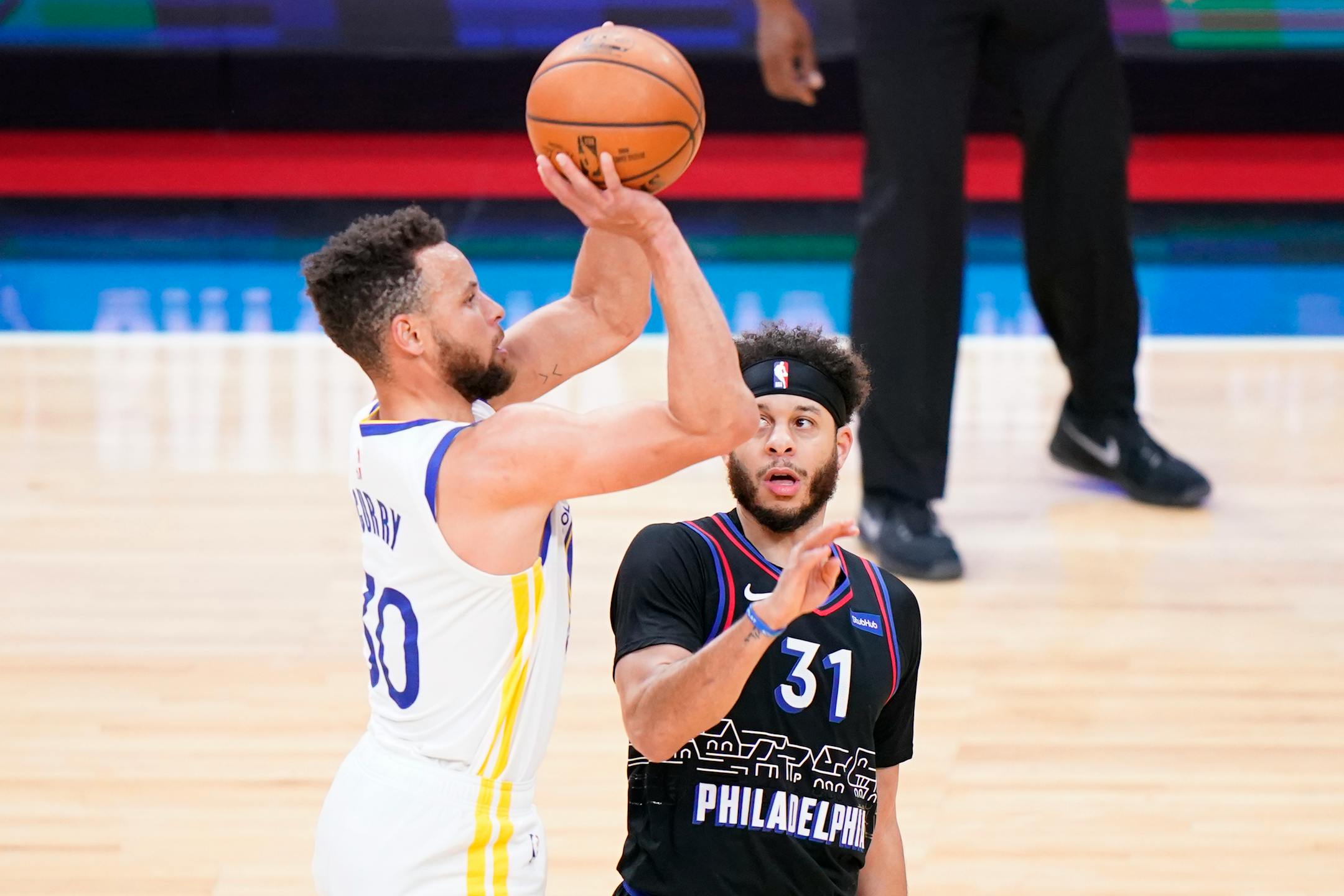
On a late night early this month, I ran across an NBA game. Five seconds later, Steph Curry was dribbling, and then instantly a 30-foot shot was away and dead center.
I kept watching Steph that night, and whenever possible since.
Steph has kept making unearthly shots, off one foot or two, squared up or tilted, against defenders convinced they had him covered or that he was too deep to shoot.


