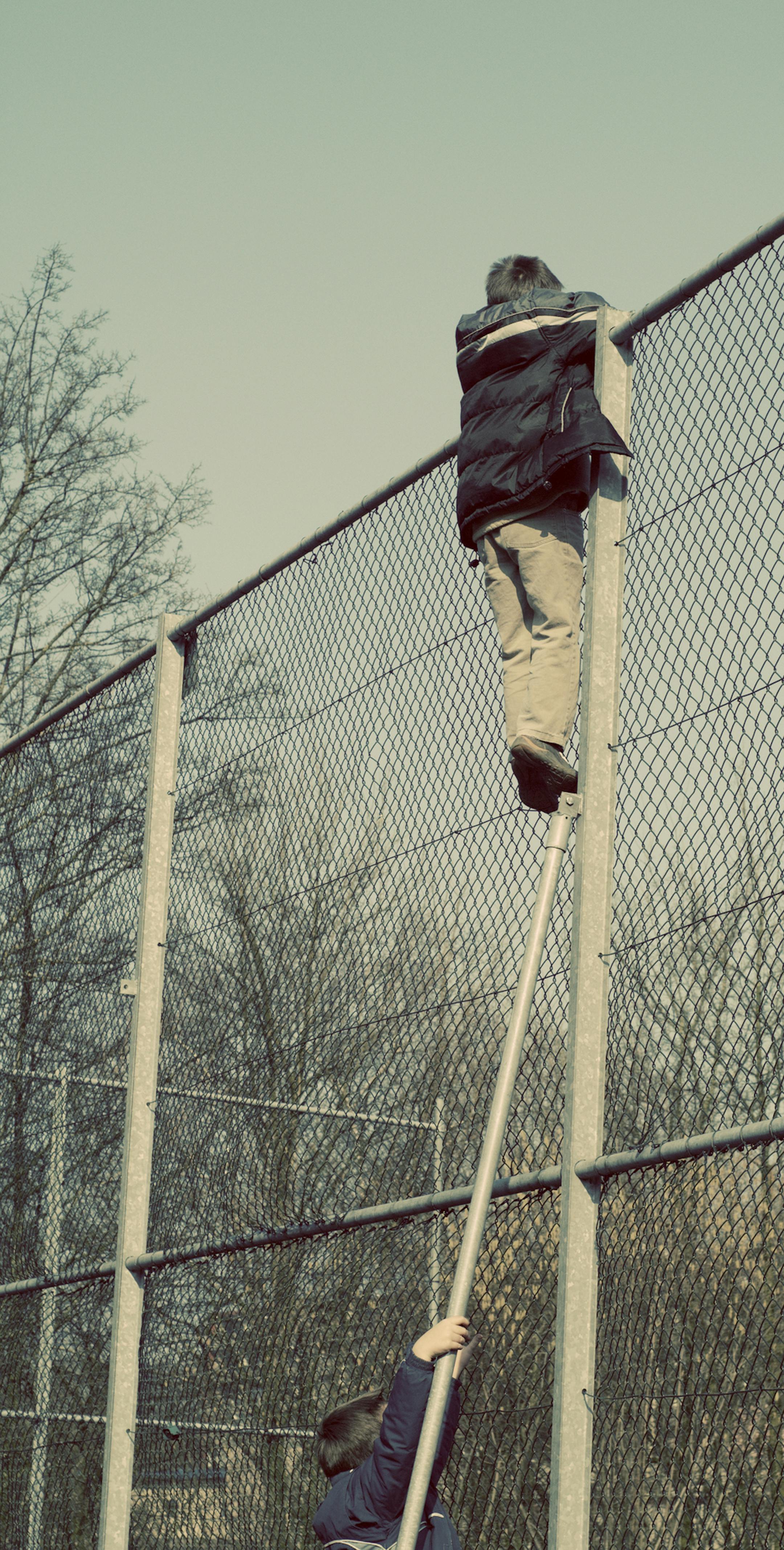
By today's safety standards, every baby boomer should have been dead by the time we were 12.
We defied danger on a daily basis. We never knew that we were doing risky things, of course; we just thought that we were having fun. Nonetheless, we spent our days immersed in activities that we'd never for a second allow our children or grandchildren to do. Or even think about doing.
Here are some of the ways we courted trouble:
Homes
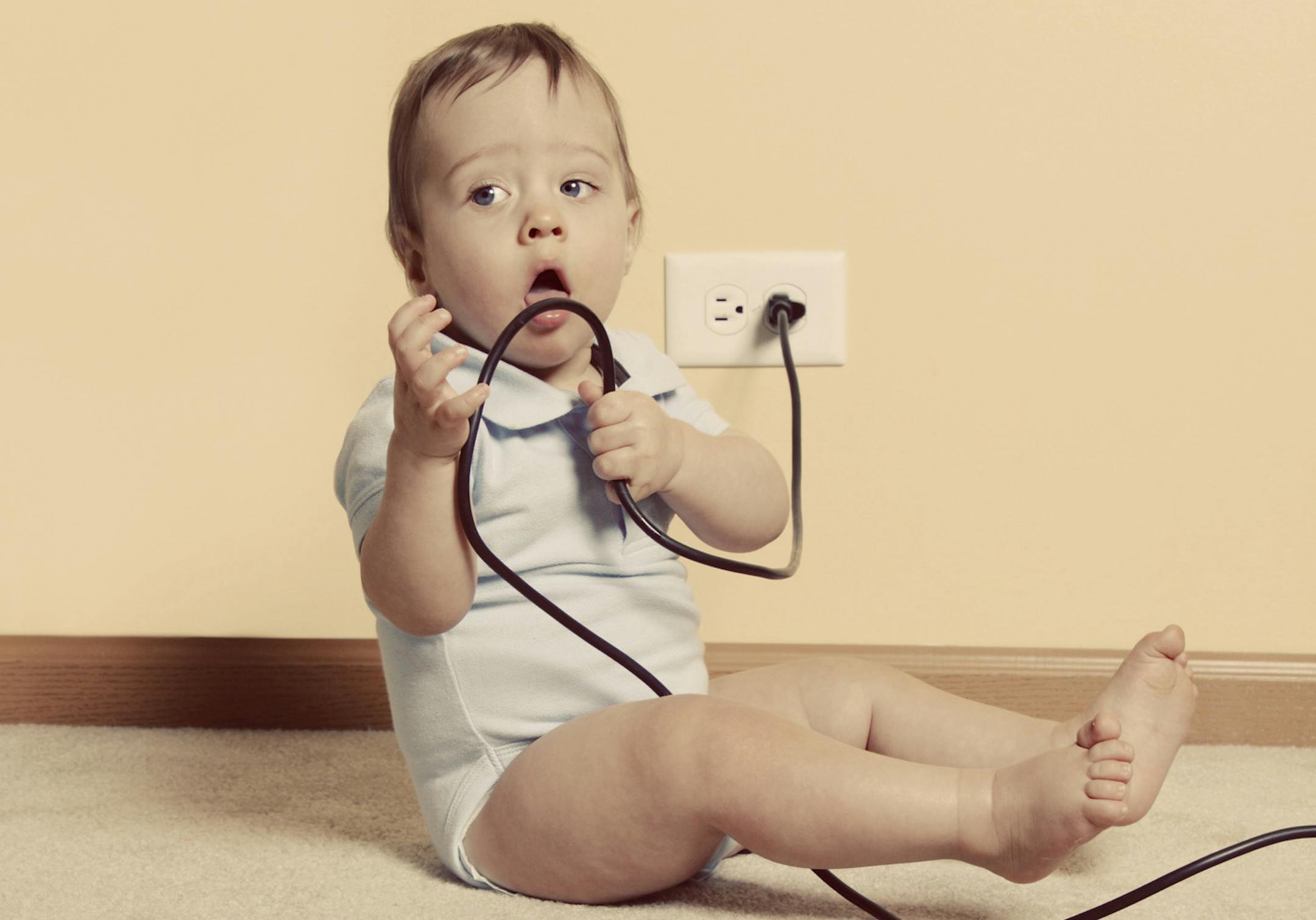
Our flirtations with danger started as soon as we could crawl. For most parents, the notion of baby-proofing a home was to close the cellar door so the kids wouldn't fall down the stairs. Locking cupboards? That would slow things down the next time someone needed something from one of them. Cover unused electrical outlets? That just created more rigmarole when you wanted to plug in the vacuum cleaner. And why would anyone but a masochist put medicine into bottles that you couldn't open without a jackhammer? Granted, sometimes we'd end up chewing on an extension cord, but as long as we didn't gnaw all the way through it — thereby disconnecting the TV, three lamps, fan, hi-fi and clock that were plugged into it — no one paid much attention to us.
Toys
We hurled lawn darts with reckless abandon. With their shiny metal tips, these mini-spears did have an ominous appearance, but we just figured that was part of their allure. We realized that it would hurt if we were to get hit by one of them, but we shrugged off the threat of injury by noting that the game basically was a back-yard variation on horseshoes, and getting hit by a horseshoe wouldn't have been all that pleasant, either.
The darts on steroids were just one of our death-defying pastimes. We also played with wood-burning kits — red-hot irons capable not only of burning us but also of burning down the house. And there was a line of electric toy irons, including a model that, the ads assured, heated up to "only 250 degrees" — in other words, hotter than boiling water.
The 1950s also saw a flood of science-related toys that promised all sorts of mystical endeavors. There were chemistry sets that, in addition to being filled with breakable glass test tubes, taught us to make compounds like potassium permanganate, which is used to start fires, and ammonium nitrate, an explosive. But when it come to being dangerous, no toy could match the Uranium Energy Lab, which came with four pieces of real, bona fide, radioactive uranium. Seriously — who wouldn't have fun with glow-in-the-dark hands?
Bikes
Not only did we not wear helmets, we'd never even heard of them. Bikes came with a single reflector on the back, but it broke off and rarely was replaced. Lights existed but they were considered an extravagance used only by showoffs. There were no bike paths or lanes offering a buffer from traffic. In fact, for most kids, the entire concept of bike safety was reduced to a warning from their mother: "If you get run over, don't bother to come home for dinner."