WASHINGTON – First, suburban Arlington, Va., abandoned long-laid plans last fall to build a streetcar line its leaders hoped would help revitalize a neglected corridor.
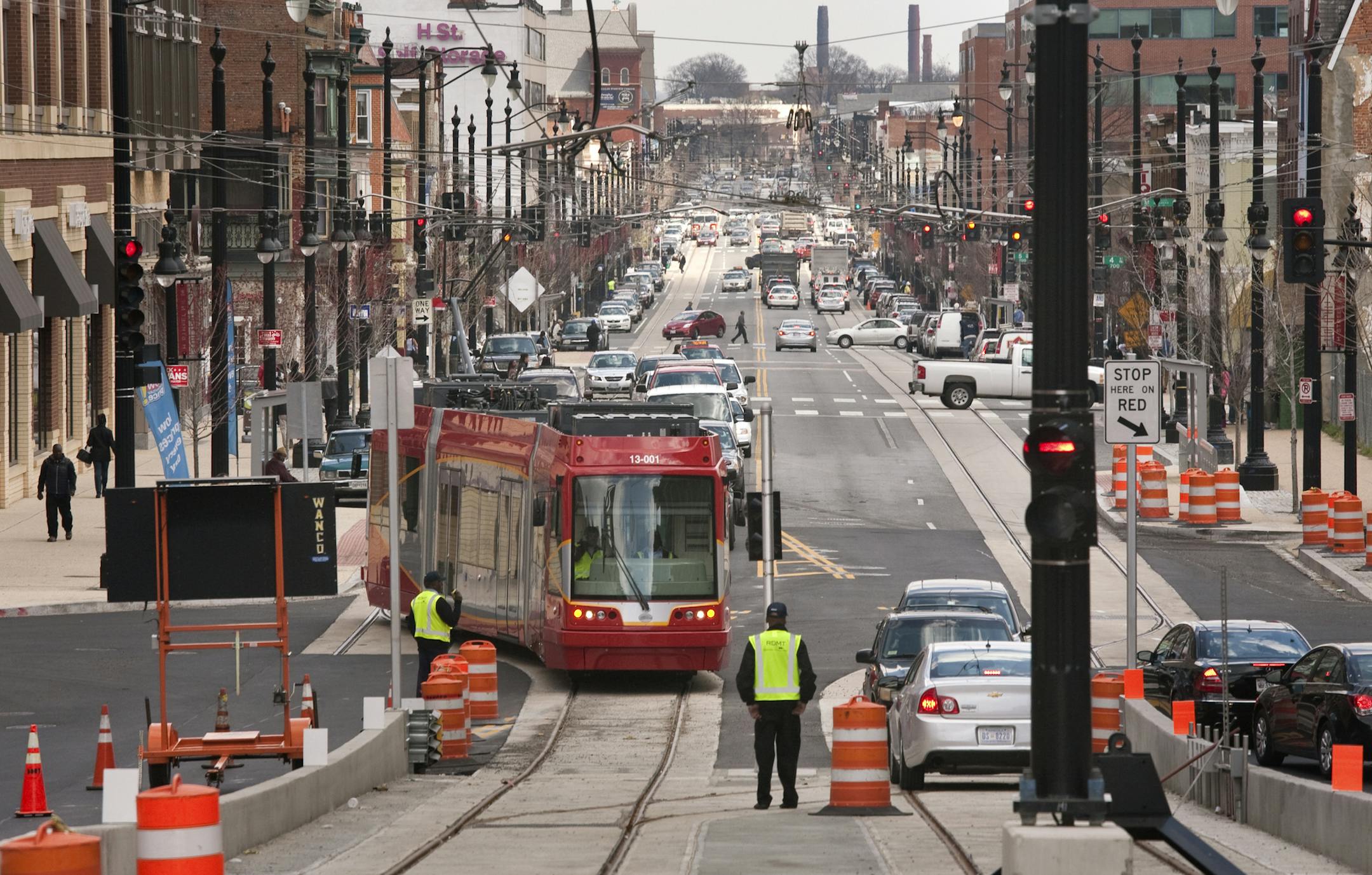
Now, across the Potomac, the District of Columbia is rethinking the whole idea after spending $160 million to bring the trolleys back to the nation's capital after more than half a century.
Just a few years ago, the streetcar revival was all the rage in cities across the country. Portland, Ore., set the trend with its 11.5-mile system, which opened in 2001 and was said to spur economic development while carrying 16,000 passengers on weekdays.
Elsewhere, New Orleans is extending its streetcar lines, while Atlanta, Salt Lake City and Tucson, Ariz., have also moved ahead with similar systems, almost always pegged to the promise of transit-related economic growth.
Minneapolis and St. Paul both are pursuing streetcar plans.
"The overall trend is very much on the side of streetcars," said Art Guzzetti, vice president for policy of the American Public Transportation Association, an industry group. "That doesn't mean every project in the planning stage is going to happen. In the long run, there will be a lot of projects built."
Yet, while several cities inaugurate new systems or expand older ones, the streetcar revolution, faced with fiscal and operational challenges, has stalled elsewhere. Last July, San Antonio abandoned its planned streetcars after a change in mayors, reallocating to other projects the $92 million it had set aside.
Even the most ardent streetcar supporters acknowledge that the challenges are daunting, though they argue that the rewards far outweigh the costs in terms of the economic development and quality of life that make cities more livable and attractive.