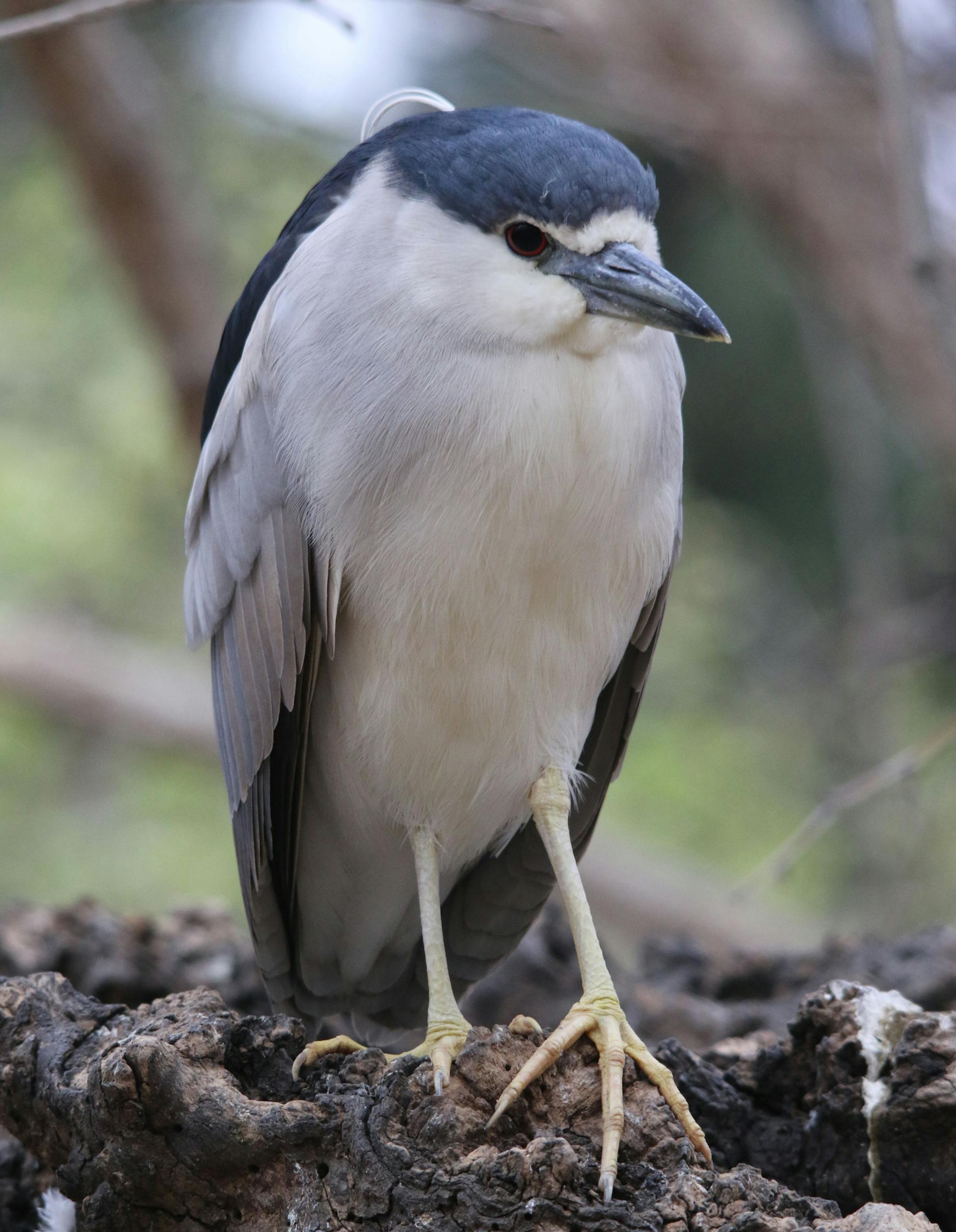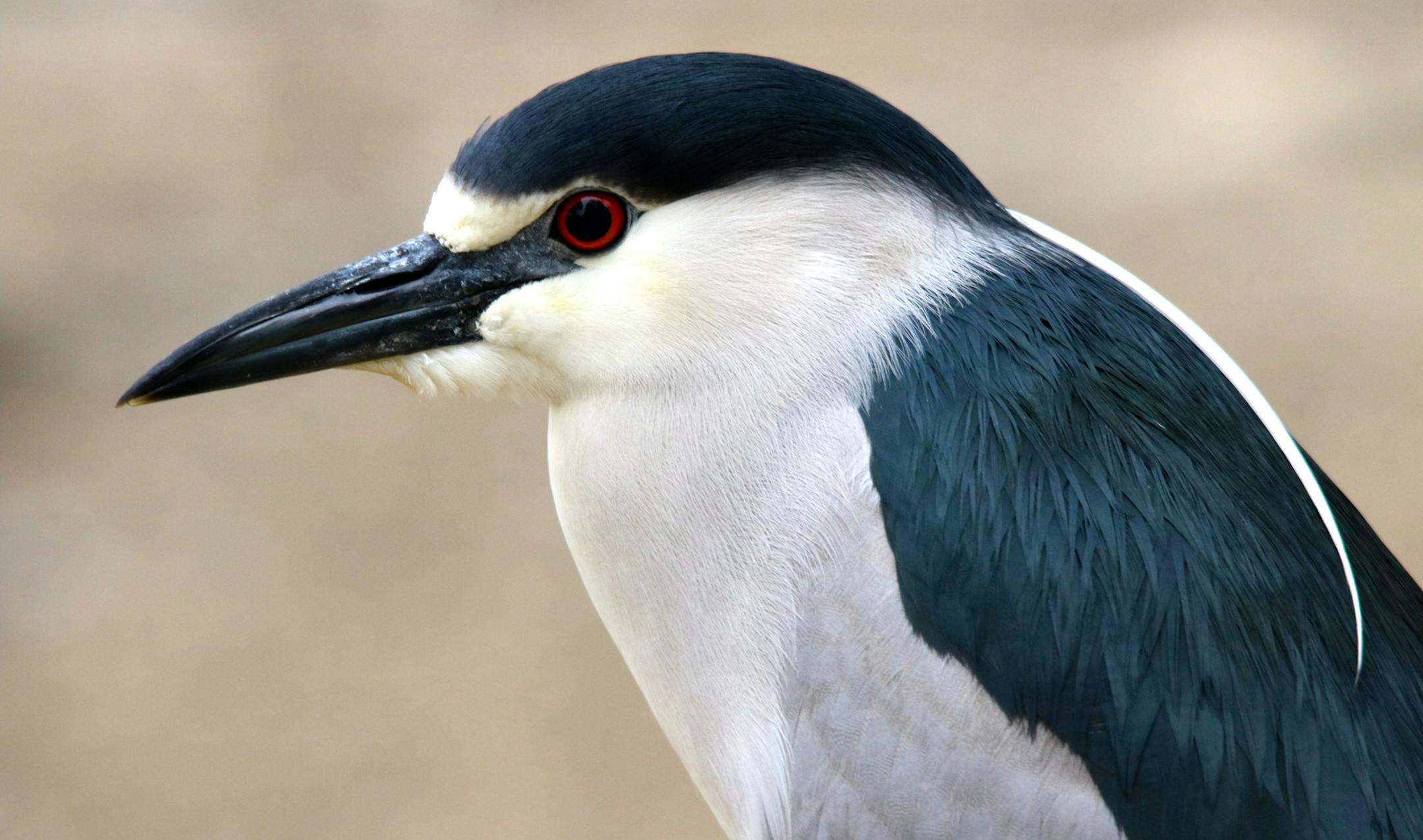
Walking around a metro lake a year ago, I noticed a relatively large bird standing on a low branch hanging out over the water. A stocky bird with a big beak, this was a black-crowned night heron, a fairly common bird, even though few of us have ever seen one.
A passerby asked what I was looking at, so I pointed out the heron, saying I thought it was a member of the heron family. He looked skeptical and walked away, shaking his head and muttering, "I'm not convinced, I'm just not convinced."
It's easy to understand his skepticism, because night herons, although the most widespread heron in the world, mostly escape our notice. And those who catch a glimpse of this elusive bird don't naturally think "heron," because night herons don't resemble the long-legged, lean water birds we're used to seeing stalking the shorelines of ponds, rivers and lakes.
In fact, if you could place a night heron alongside one of its cousins, a great blue heron or a great egret, this small, thickset bird — almost neck-less — would look like a fireplug next to its elegant cousins. (For fans of the 1960s animated sitcom "The Flintstones," think of this chunky bird as the Barney Rubble of herons.)
Still as a statue
The night heron has two habits that almost guarantee most of us don't know it's around: It does most of its hunting at night and it remains as still as a statue while waiting for prey to appear.
In fact, some years ago a friend and I were hiking when we spied a night heron a ways ahead in a shrub on a sand spit. We watched it for half an hour, but it never moved or even blinked an eye. Deciding it was trapped in some way, we bushwhacked our way to within 10 feet of the bird, a very arduous and mosquito-filled journey. The bird sprang into the air, giving one of its loud, barking squawks (tinyurl.com/pr74ncf), letting us know what it thought of humans intent on "rescuing" it from its normal routine.
Lethargy is a key hunting strategy as the bird sits hunched on a branch at water's edge, waiting patiently for a frog or fish to pass by. These herons can keep this up for hours, and often do.
At other times, a night heron will thrust its beak under water, opening and closing it rapidly to create a disturbance that may attract prey.