

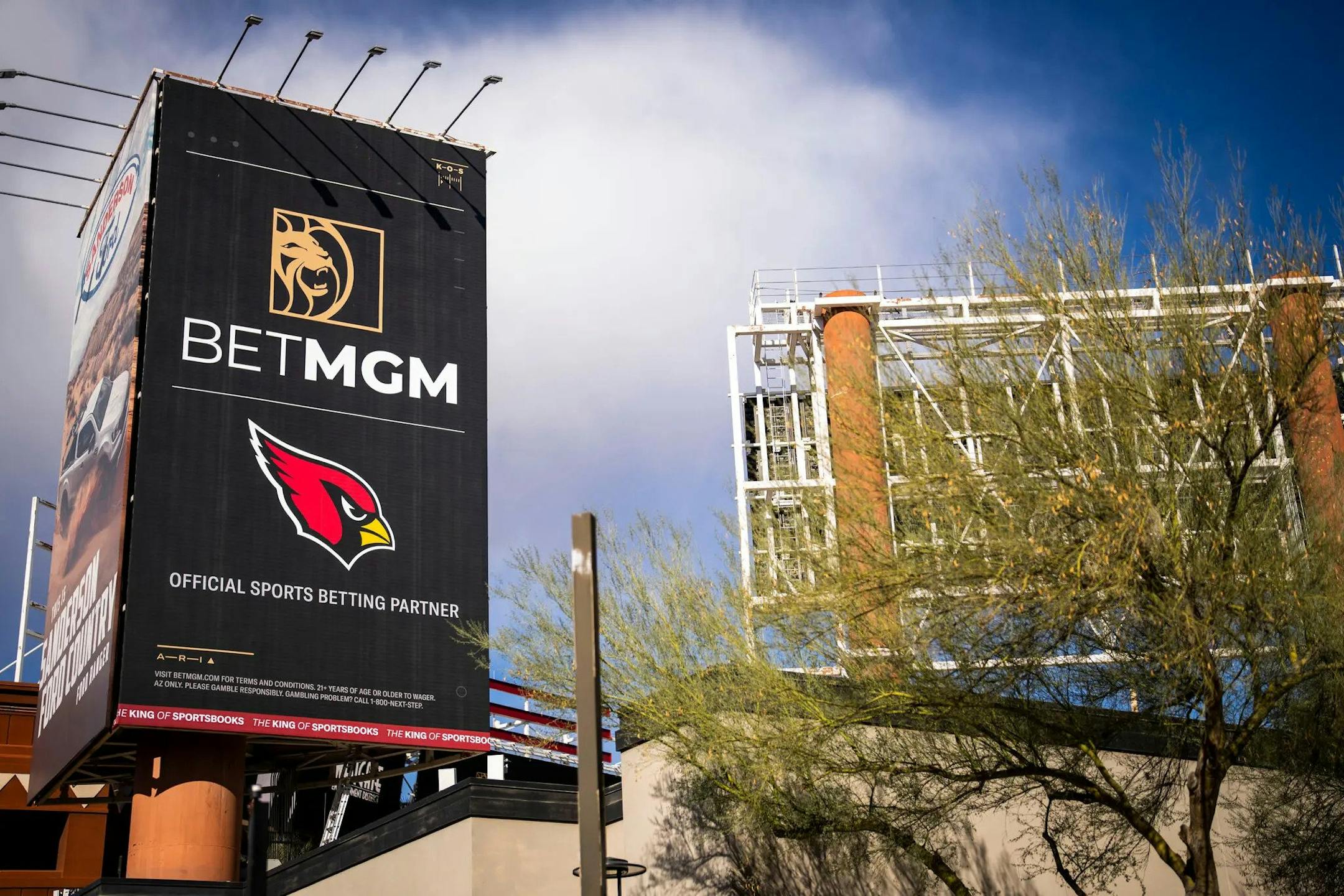
When the Supreme Court cleared the way for legalized sports gambling in 2018, the NFL rushed to embrace a lucrative line of business it had denounced for decades as bad for the sport. There was, after all, new money to be made. The consequences of that about-face are now coming due.
The league last week handed down some of the strictest penalties it has ever issued, banning three players for at least the 2023 season for betting on N.F.L. games and suspending two others for six games for other violations of the league's betting policy. The scale of the latest scandal and the terse verdict from the league rekindle questions about the precarious line the NFL is trying to walk on gambling.
The indefinite suspension of three players — receiver Quintez Cephus and safety C.J. Moore of the Detroit Lions and defensive end Shaka Toney of the Washington Commanders — means that five players in the past four years have received at least season-long bans for betting on NFL games, after decades without any such punishments. This week's investigation ended with two more Lions players, receivers Stanley Berryhill and Jameson Williams, suspended for six games for lesser gambling violations that did not include betting on NFL games.
This kind of scandal may have been what the NFL was guarding against during the 25 years it spent inveighing against legalized sports betting. "We should not gamble with our children's heroes," Paul Tagliabue, then the league's commissioner, testified to Congress in 1991 in support of legislation that effectively banned sports betting nationwide. In 2012, it was Roger Goodell's turn to take up the cause.
"The NFL cannot be compensated in damages for the harm that sports gambling poses to the goodwill, character and integrity of NFL football," Goodell wrote in a declaration for a court case about sports betting.
Yet in 2018, when the Supreme Court overturned the law that Tagliabue had championed, paving the way for states to legalize sports betting, the NFL quickly reversed course and sought to profit. Once a critic of everything Las Vegas stood for, the league in short order permitted the Raiders to build a stadium just off the Strip with a view of Luxor's pyramid, held the Pro Bowl and the draft in the city, and will conclude the 2023 season with a Super Bowl there.
In the process, the league swung the door open to the very harm its leaders spent a quarter century warning against.
"Now, the young athletes are coming up in professional sports leagues with mixed messaging, not just from society and gambling companies, but from the sports leagues themselves," said Marc Edelman, a law professor and director of sports ethics at Baruch College. As long as the NFL has partnerships with betting companies, advertises betting during its games and encourages betting to the point of having sportsbooks on-site at NFL stadiums, there will be "a level of cognitive dissonance for some players," who may not fully realize the ramifications if they do bet on sports, Edelman added.


