

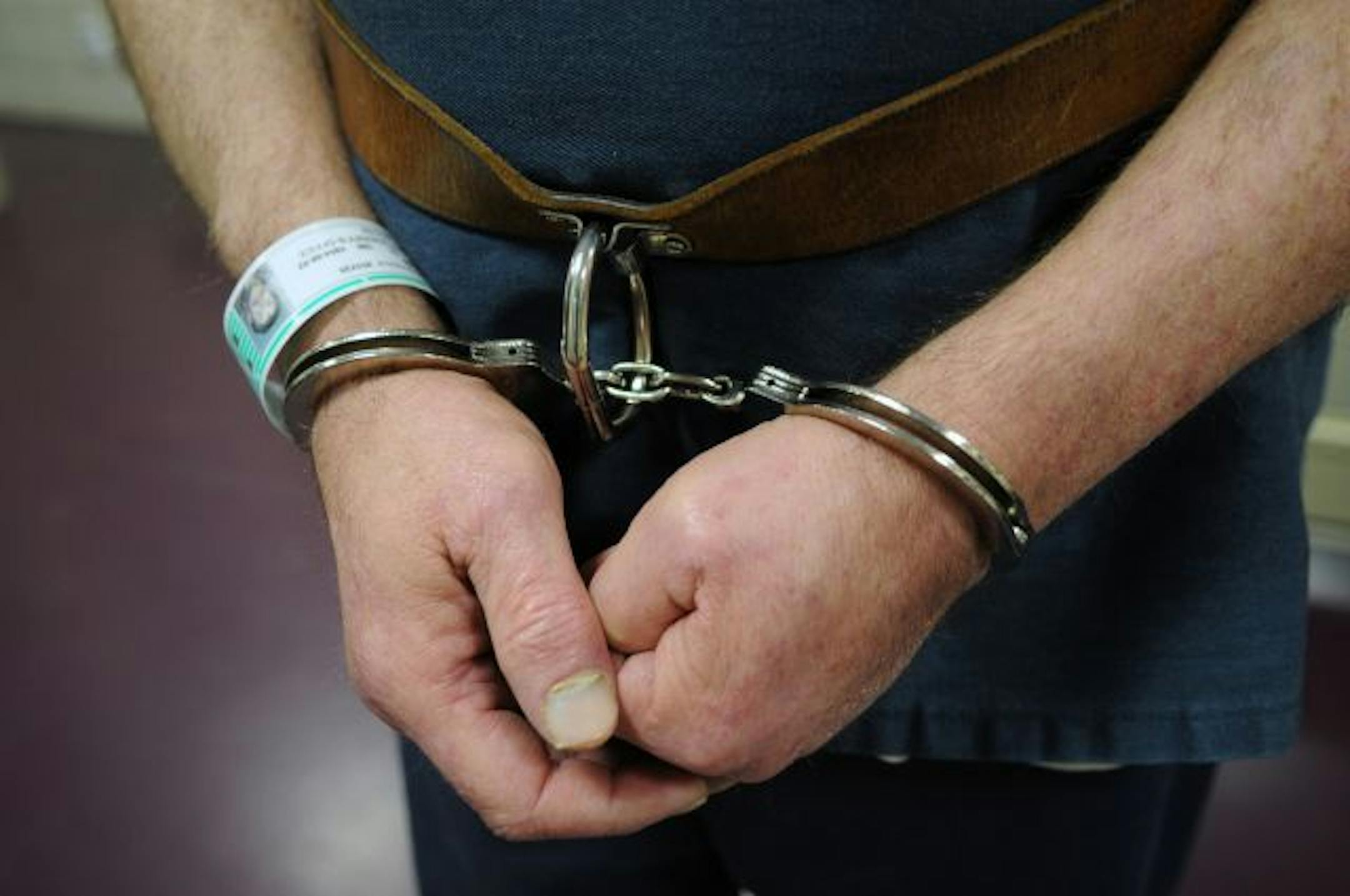
A Minnesota law set to take effect next month means the federal government will pick up the tab on hospital visits by some inmates of Minnesota jails and prisons, a move that could save the state millions.
It's the first in-state change in decades to a long-standing rule that deems inmates ineligible for Medicaid, known in Minnesota as Medical Assistance.
Backers say the long-desired law was made possible in part by the Affordable Care Act, which expanded Medical Assistance eligibility to single adults — a demographic that makes up a large portion of people behind bars. Cost savings could run as high as $6.1 million for the Minnesota Department of Corrections, which operates the state's prisons, and $5.5 million for the state's counties, which pay for the jails.
Counties and the state will continue to foot the bill for medical care provided inside the detention facilities, which makes up the majority of the health care budgets.
The potential $11 million savings is "only a sliver of the cost, but a few slivers add up to real money," said Julie Ring, executive director of the Association of Minnesota Counties, which pushed for the change. Care for the state's incarcerated populations is becoming increasingly expensive, she said, as they come in with more serious health issues.
"It's not like 'Oh, I have a head cold,' " Ring said. "We're talking about people in county jails who have dialysis, cancer, and other difficult and expensive medical regimens. The cost of health care in county jails has really skyrocketed."
James Franklin, executive director of the Minnesota Sheriffs' Association, said that having more adults with health care coverage — both in and out of custody — could improve more than the bottom line.
"Our customers often have medical problems that can cause them to be a criminal or the victim of a crime that in some way causes them to come into the law enforcement custody system again, and it's a spiraling problem," Franklin said. "We're hoping this change will keep them in health care and out of our system."


