

On May 14, my family buried my aunt, Sarah B. Harrigan. As I — along with her other nephews — carried her casket that day, I whispered my gratitude to the woman who demanded her nieces and nephews understand the value of their history and the history of those around them.
I would have never known about my great-great-great-grandmother, Mary Ann Key — an enslaved woman in the 1800s — had it not been for my aunt's diligence, research and commitment to our family's story. That creed is one I still embrace in this critical chapter of Minnesota history.
There is a rising — and hollow — sentiment here that suggests the work is done because Derek Chauvin is in prison for George Floyd's murder. But the last year only revealed, to some, the structural and systemic racism that remains. It did not, however, fix those issues.
Amid a growing chorus of folks who've decided that teaching the history of marginalized communities is somehow harmful to white kids, it has never been more important to combat and reject a sense of completion following the Chauvin verdict. We must continue to learn and to act. These inequities, and the racism that guards them, won't just evaporate. They have to be identified and attacked.
That's why I'm happy to announce — along with our partners at the Star Tribune, Friends of the Hennepin County Library and the Hennepin County Library — the next book in the Mary Ann Key Book Club: "Minor Feelings: An Asian American Reckoning" by Cathy Park Hong.

Our goal in selecting this book is to demand respect for the perspectives of our Asian American and Pacific Islander (AAPI) community — a community often overlooked in conversations about the nonwhite experience in Minnesota and beyond.
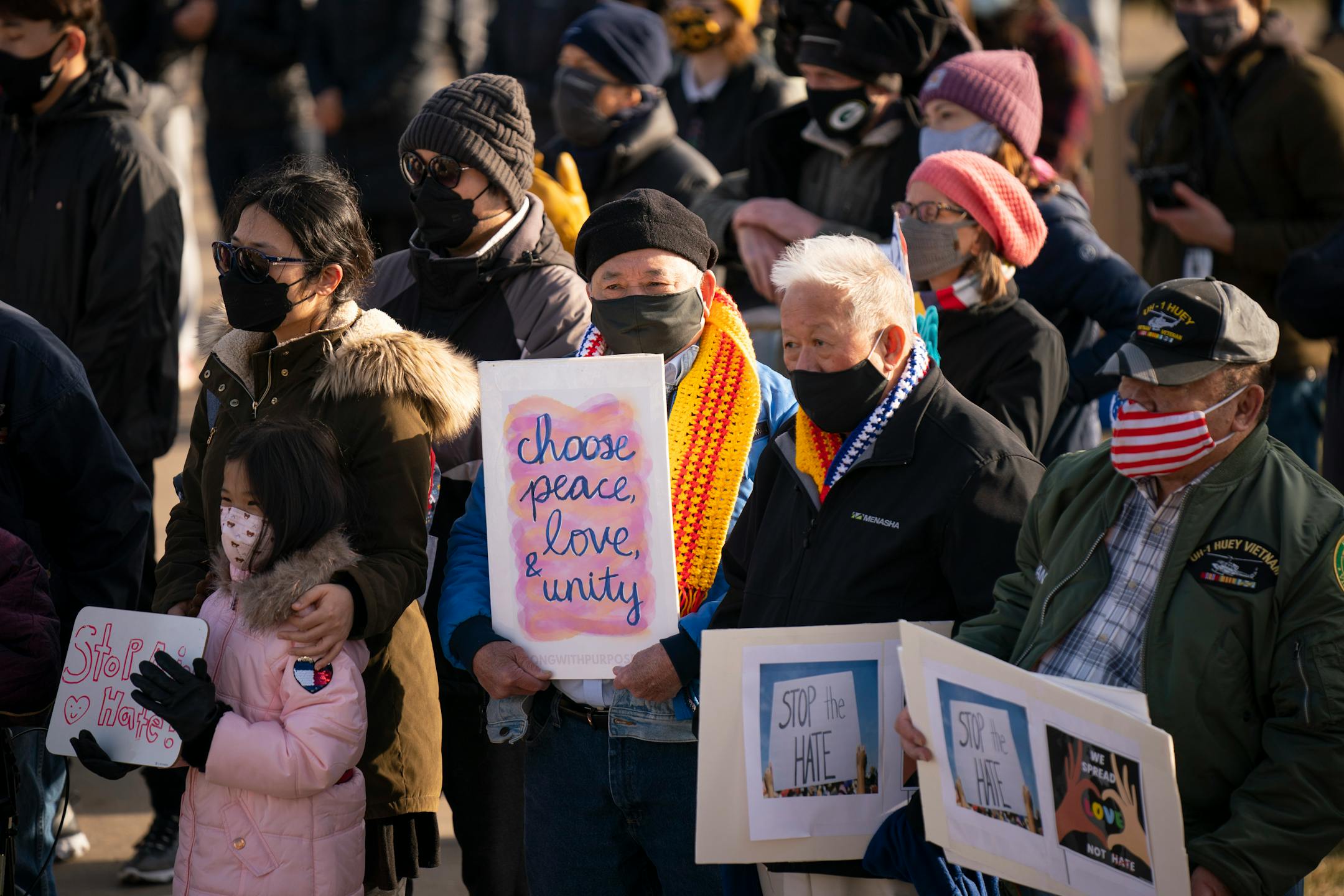
The "Stop AAPI Hate" movement has highlighted tragic encounters throughout the country. Based on my conversations with my friends and colleagues within the AAPI community — a community that is not monolithic — I know the headlines don't tell the full story of a group that has been targeted in a recent spate of violent, high-profile incidents.
"Minor Feelings" is a gripping account from Hong about her life in a world that views her and others like her as the "model minority," a label that minimizes their experiences.


