

When I stepped down as the editor of Reason magazine in 2000, I had no idea I was leaving behind the business model of the future.
I left nonprofit publishing just as the Internet was about to do to some metropolitan dailies and many other periodicals what television had done to general-interest magazines such as the Saturday Evening Post and Collier's: Destroy their businesses by swiping their advertisers and giving their audiences alternative content free.
Now the future of journalism depends on the model I knew so well in the 1990s: patrons and amateurs. The patrons underwrite a relatively small cadre of professionals, while the amateurs use other sources of income to subsidize their work. (Think of all the academics writing here and elsewhere, or of the many consultants churning out free columns and blog posts to woo new clients.)
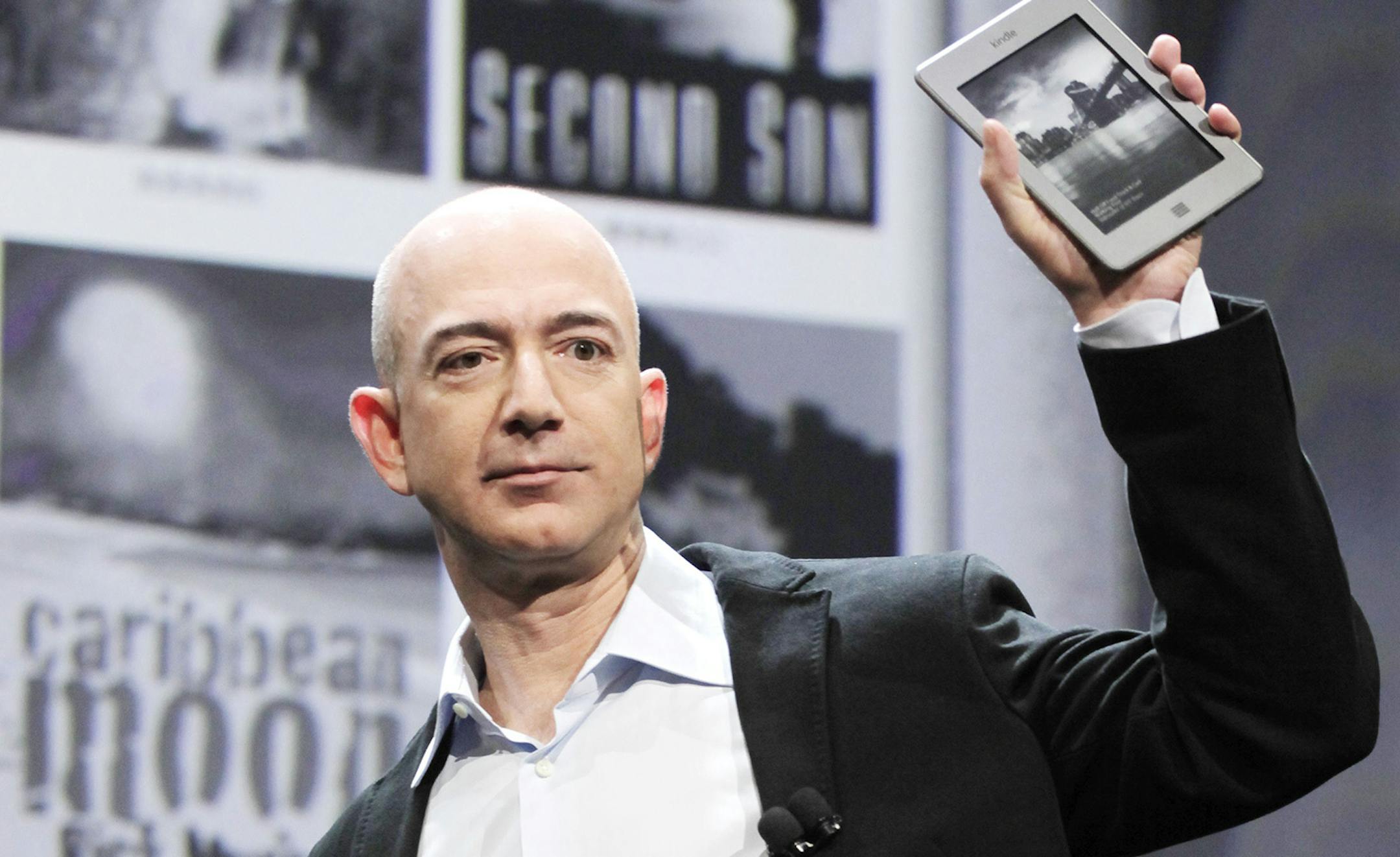
Jeff Bezos' purchase of the Washington Post and John Henry's of the Boston Globe are the latest shift toward that model. These new owners are following the well-established form of family newspapers — with a major difference. Old-style press barons combined their civic-mindedness and personal aggrandizement with the pursuit of profits. Their papers made them rich.
Bezos and Henry, by contrast, aren't really investors. Both are already immensely rich: Bezos founded Amazon.com and Henry made his first fortune in commodities trading. They're white knights coming to the rescue of culturally significant institutions. Like the fans sending pledges to National Public Radio (or Reason) or the foundations funding ProPublica and the Center for Investigative Reporting, they're patrons.
A world of patrons and amateurs can produce excellent work. But it won't reproduce the journalistic culture that newspaper reporters, in particular, are accustomed to.
It means, first of all, abandoning the monolithic norms established by American metropolitan dailies.
Beginning in the late 19th century, U.S. newspapers developed a principle of objectivity based on the need to deliver as many readers as possible to mass-market advertisers. As more papers became monopolies and journalists professionalized, the idea became evermore entrenched. Newspapers took a business requirement for broadly acceptable content and turned into a definition of "ethical" journalism so restrictive that it would exclude most magazines. (Vogue is not "objective," and no one wants it to be.)


