

Like everything else, our language is changing faster than ever. How can dictionaries possibly keep up? Easy. In the same realm that produces so many of the emerging locutions: the Internet.
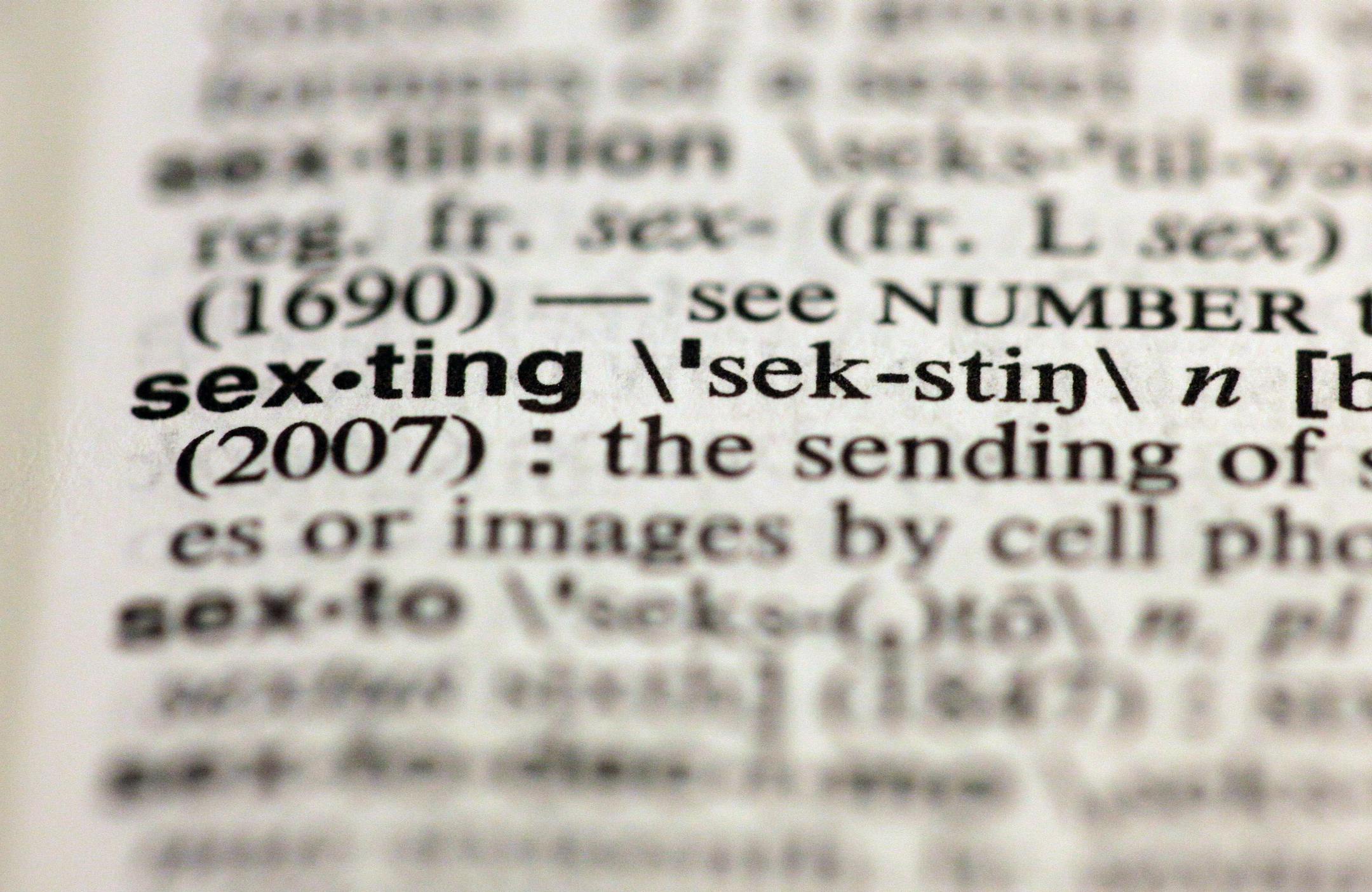
Over the past few months, editors at Merriam-Webster and Oxford have released addenda to their online dictionaries, including not only recently coined expressions (sexting, bucket list, vajazzle) but also novel uses for old words (underwater, ripped, toxic).
These days, the lexicon has to be shovel-ready (another new addition) for emerging words and phrases, said Oxford's U.S. editor, Katherine Martin.
"There is a new challenge and opportunity for lexicographers in that [people] write so much more than we used to," Martin said. "Following someone on Twitter, I might see a word at the moment of its coinage. So we have this great opportunity to provide people with information on more than we used to. But we also have a great responsibility to not put something out there before it has a settled meaning."
That keeps Martin's Oxford team, and editor-at-large Peter Sokolowski's coterie over at Merriam-Webster, seriously busy tracking and discussing words. Widespread usage is generally the key, and editors are the gatekeepers.
"If it's idiosyncratic, one person using a word often, that's not enough," Sokolowski said. "There have to be many [publication] editors who determine that their readership knows this word. That's really the gold standard. Once a word is used without any linguistic white gloves, it becomes sort of a naturalized citizen of the English language."
That requires a balance between being relevant and prudent. Martin said thousands of words are under consideration at any given time. Sokolowski called the process "inherently conservative" but added that his cohorts must know when to pounce.
"When people say 'isn't that going to be fleeting?,' we say 'What about astronaut or tweet?,'" he said. "We got blog, AIDS and SARS in there quickly. [Just-added] craft beer and life coach, we traced to 1986 so we've been watching them for a long time."


