Dark, brooding and romantic, the watercolors of Swedish art star Lars Lerin have an unsettling, febrile beauty in his memorable new show at the American Swedish Institute.
Huge snowflakes drift toward distant farm sheds barely visible through fog and mist in a wintry birch forest. Taxidermied birds perch on wooden pedestals, frozen in the glassy rigor mortis of old-fashioned ornithological displays. A solitary white fox crouches on barren tundra under a brooding sky. Hundreds of postcard-sized apartments stack atop each other in a 15-foot-wide vista of anonymity and decay that Lerin calls "Civilization."
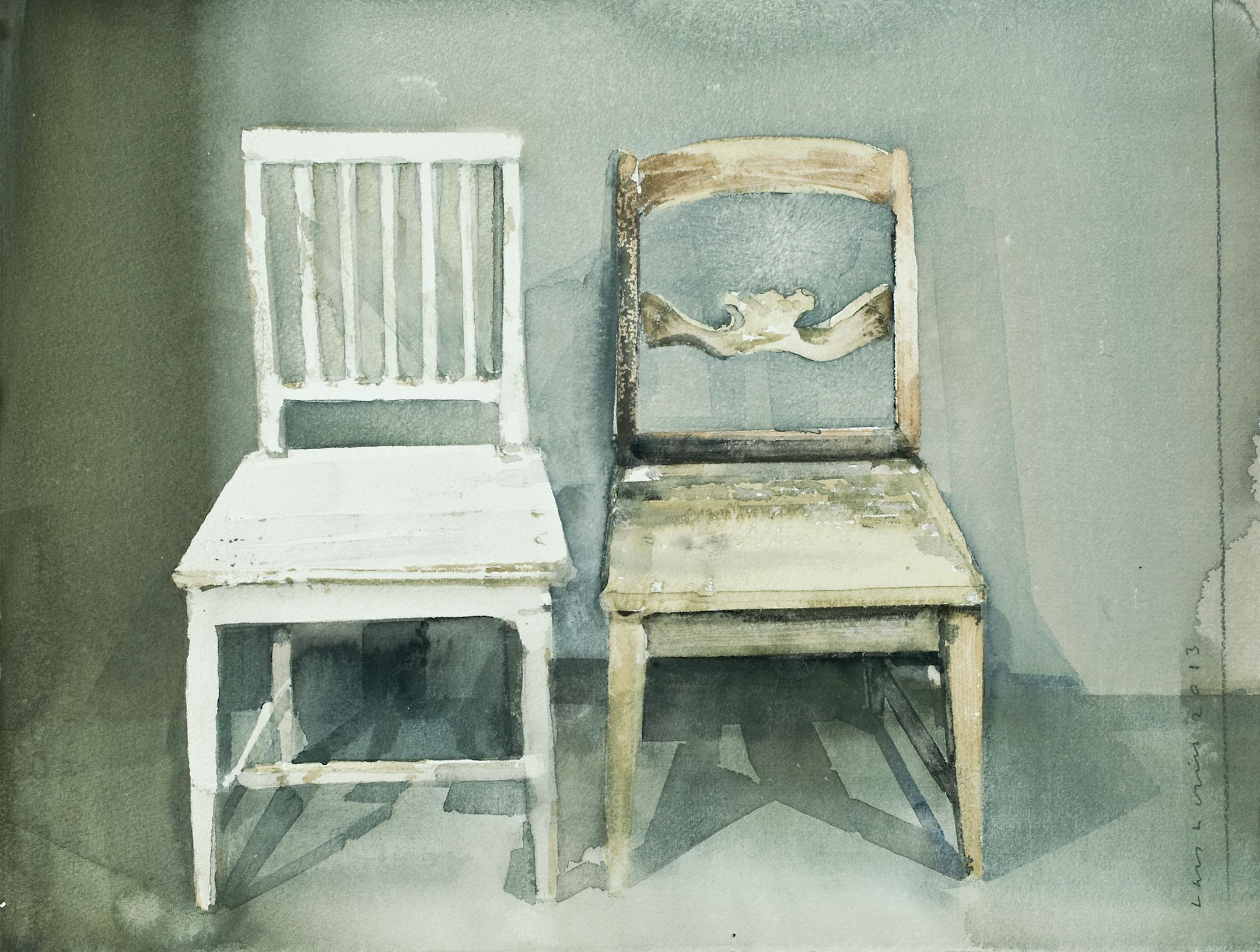
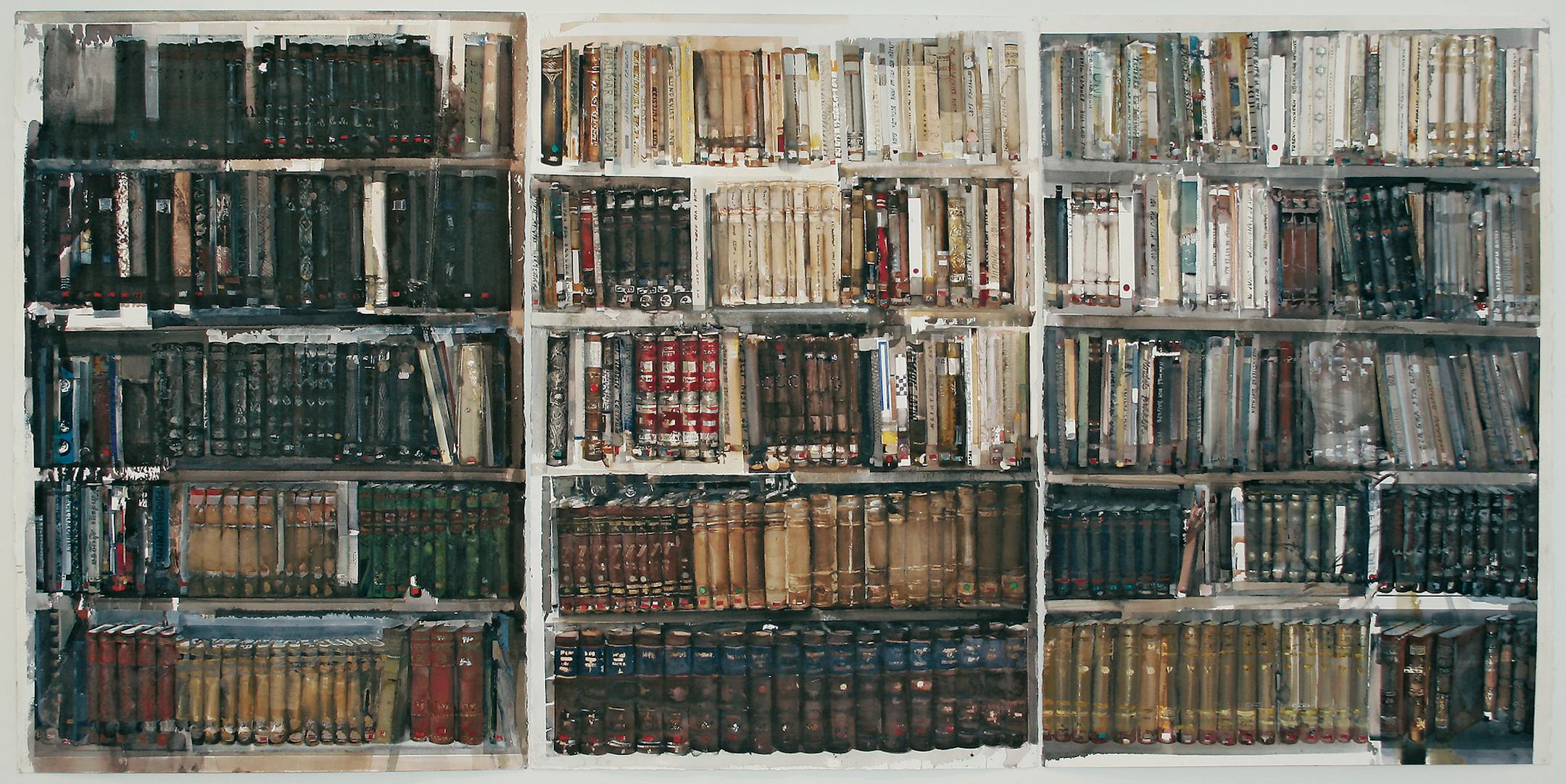
Books, chairs, birds, trees, apartments, ships, paintings and even a film get the Lerin treatment in this ambitious survey, his first U.S. show in 30 years. Widely exhibited throughout Scandinavia as well as France and Germany, Lerin has also published more than 50 books and is a popular television personality in his homeland.
"He's now a superstar in Sweden, loved for his watercolors and books," said Bera Nordal, director of the Nordic Watercolor Museum in Tjörn, Sweden. The exhibition's curator, she recently gave an impromptu tour of the show as the museum's staff completed the installation (it runs through May 22).
Besides his art and writing, Lerin, 61, has earned respect for the candor with which he has addressed troubling personal issues, Nordal said. Withdrawn and introspective when he launched his art career decades ago, he has only recently resolved what she called "a very traumatic life."
"He had a kind of angst and hated being around people," Nordal said. "He is homosexual and has had drug and alcoholic problems. Then he decided to come out and talk about it. He speaks from the heart, and that touches people because he's really talking about things that matter. People feel that honesty. It isn't fake; it's just him."
With their drips, stains and splashes of color, Lerin's paintings seem direct and candid, too, as if he's reporting on the scene, rather than reconstructing events in the studio. That immediacy is doubtless an illusion, though, since he typically paints on sheets of paper that are 5 feet wide or tall, much too big to set up for plein-air work. He often assembles a dozen or more panels into mural-sized compositions that have the grandeur of 19th-century American landscapes. But they're suffused with the fretful, postmodern doubt more typical of the crusty canvases of Anselm Kiefer, a contemporary German artist whose work Lerin's resembles in its psychology.
Lerin favors dark blues and browns, the colors of Nordic winter nights that he uses to theatrical effect. People are rarely present, though their artifice is everywhere: in huge container ships in blue-black voids on restless seas, in buildings whose vaulted corridors and ornate salons dissolve into watery miasmas, in featureless modern apartment buildings shimmering in opalescent light.