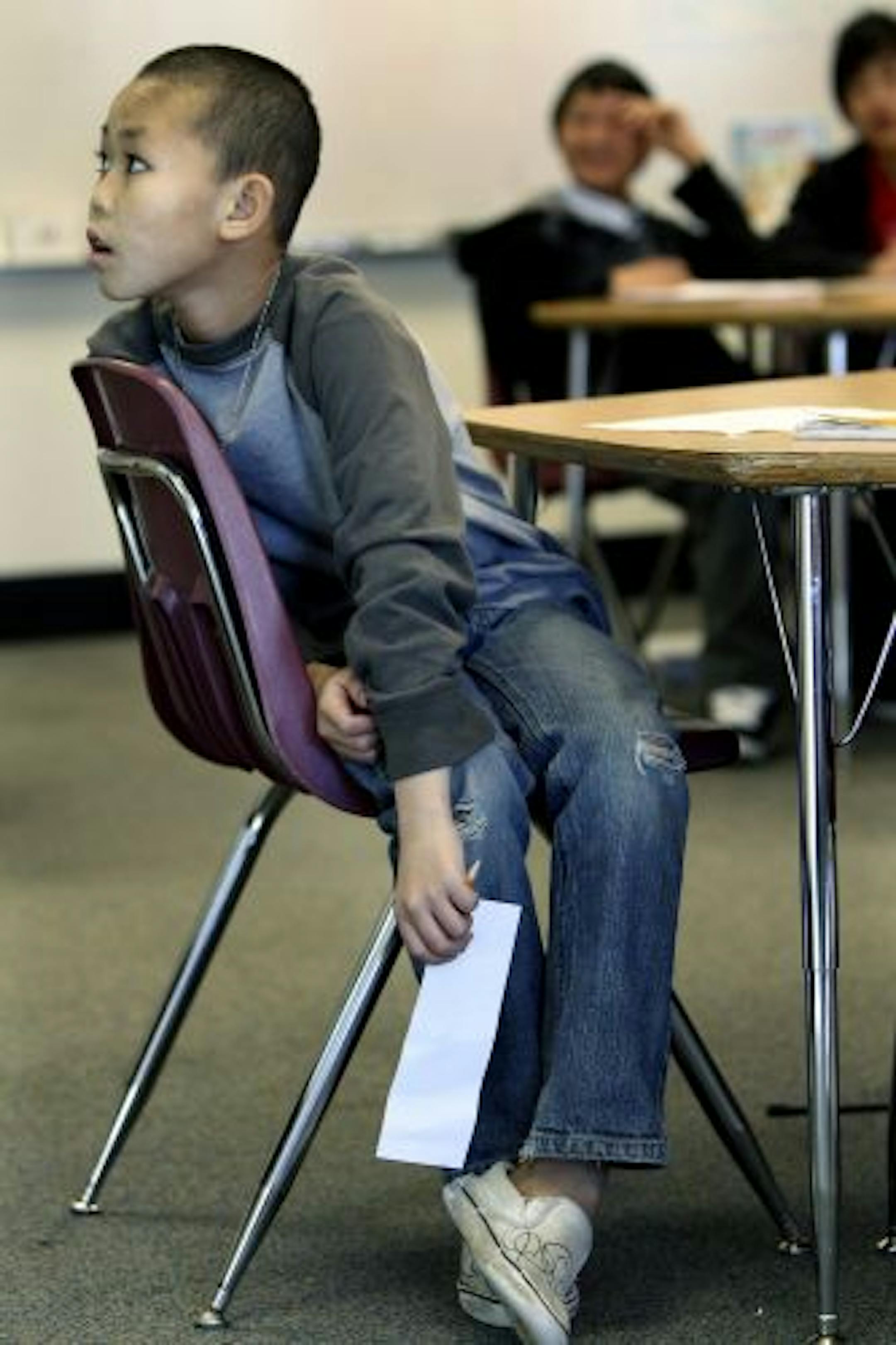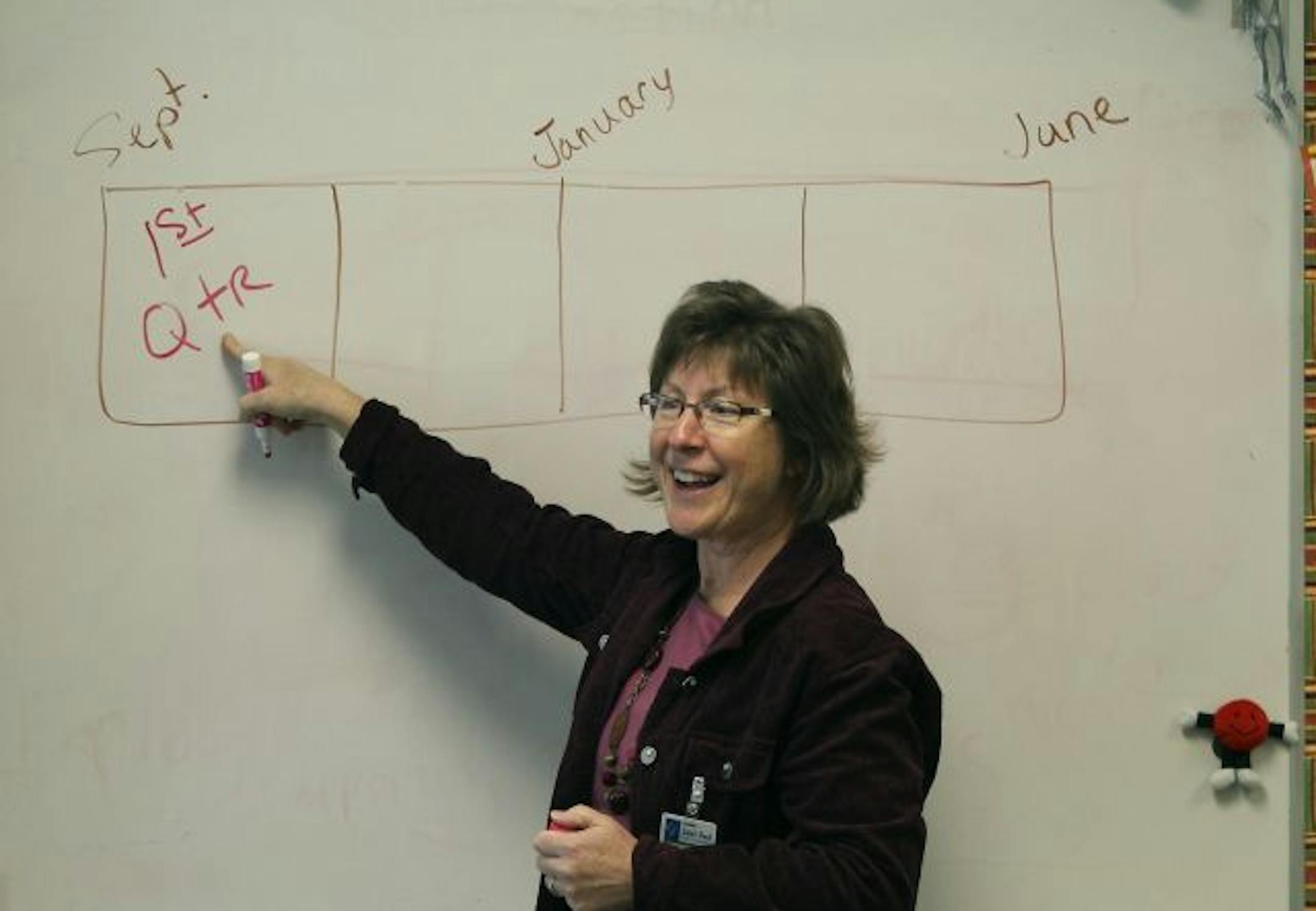
Henerry Cho, a slight, 12-year-old Karen boy, walked up to the board in his Washington Technology Magnet Middle School classroom in St. Paul and attempted to draw the letter "r." He knew it looked like a slanted "v" but wasn't sure of its size.
Henerry, who fled with his family from Myanmar more than two years ago, struggles in spelling, writing and reading, but describes himself as a math whiz.
"That's beautiful," his teacher Joyce Pham told him after his first attempt to draw the letter in front of the class.
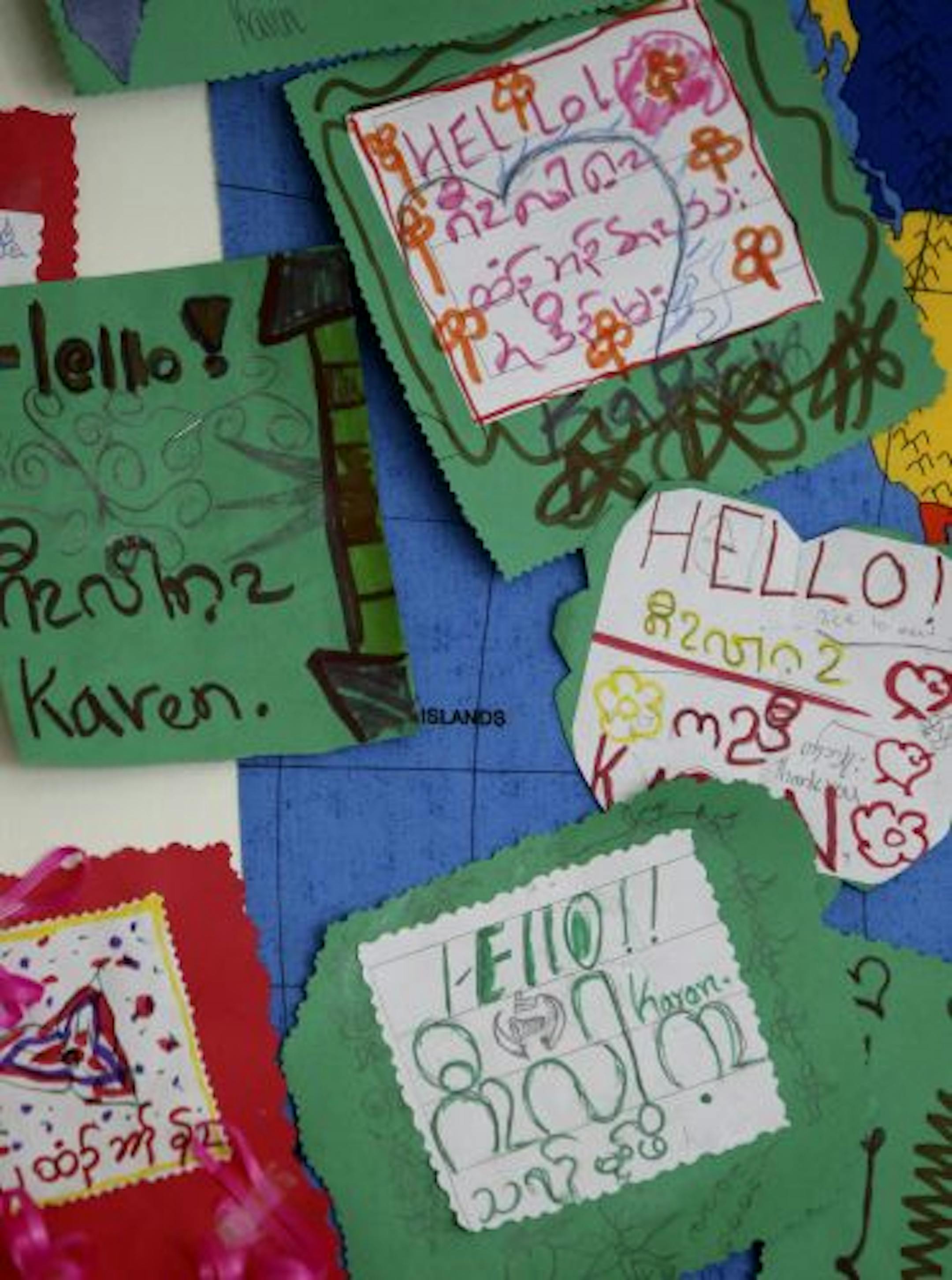
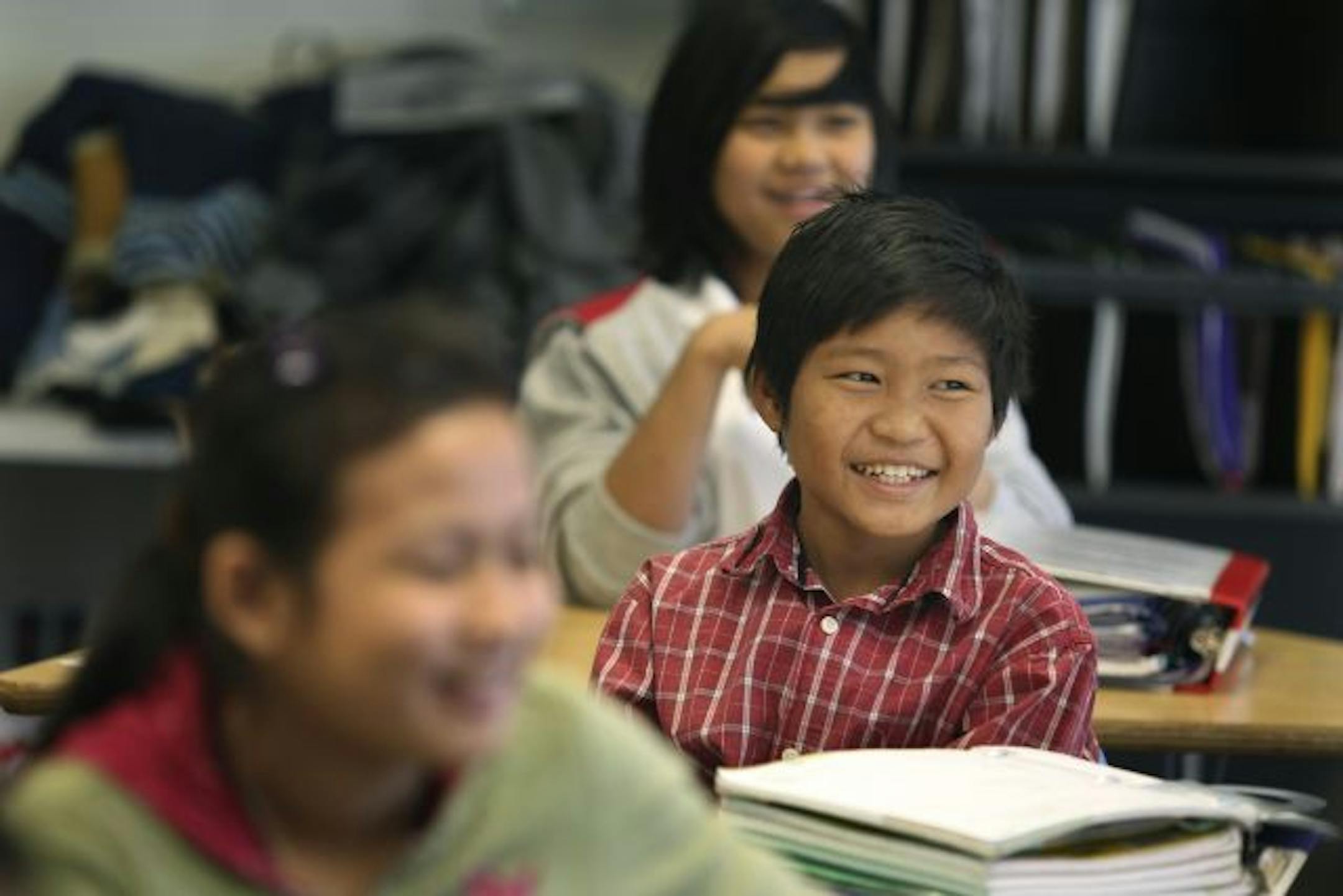
Henerry is among a growing number of Karen students in St. Paul public schools who bring new cultural, linguistic and academic challenges and also have to translate their native alphabet to the English language. In just three years, enrollment has zoomed from 100 to more than 1,100. At least 4,600 Karen immigrants have received refugee status in St. Paul -- a number that is expected to climb with Sunday's election violence between Myanmar troops and the Democratic Karen Buddhist Army in the border town of Myawaddy. Thousands of Karen families are reported to have fled to Thailand refugee camps, but it's too early to say how many of those children might come to Minnesota schools.
"We have to do a lot of nurturing and holding their hands," Pham said of the Karen students. "It's been quite an adventure."
The district is now scrambling to hire translators, organize parents and make room in the first learning level for immigrant student courses where, in some schools, Karen now outnumber Hmong students. The district currently has 13 native Karen speakers on staff with an opening for another.
Many Karen (pronounced Koren), a minority ethnic group from eastern Myanmar, were brought to St. Paul by Catholic Charity and Lutheran Social Services to benefit from government services that are familiar with their unique challenges, said Saw Morrison, the program manager at the Karen Organization of Minnesota.
Nationally known