

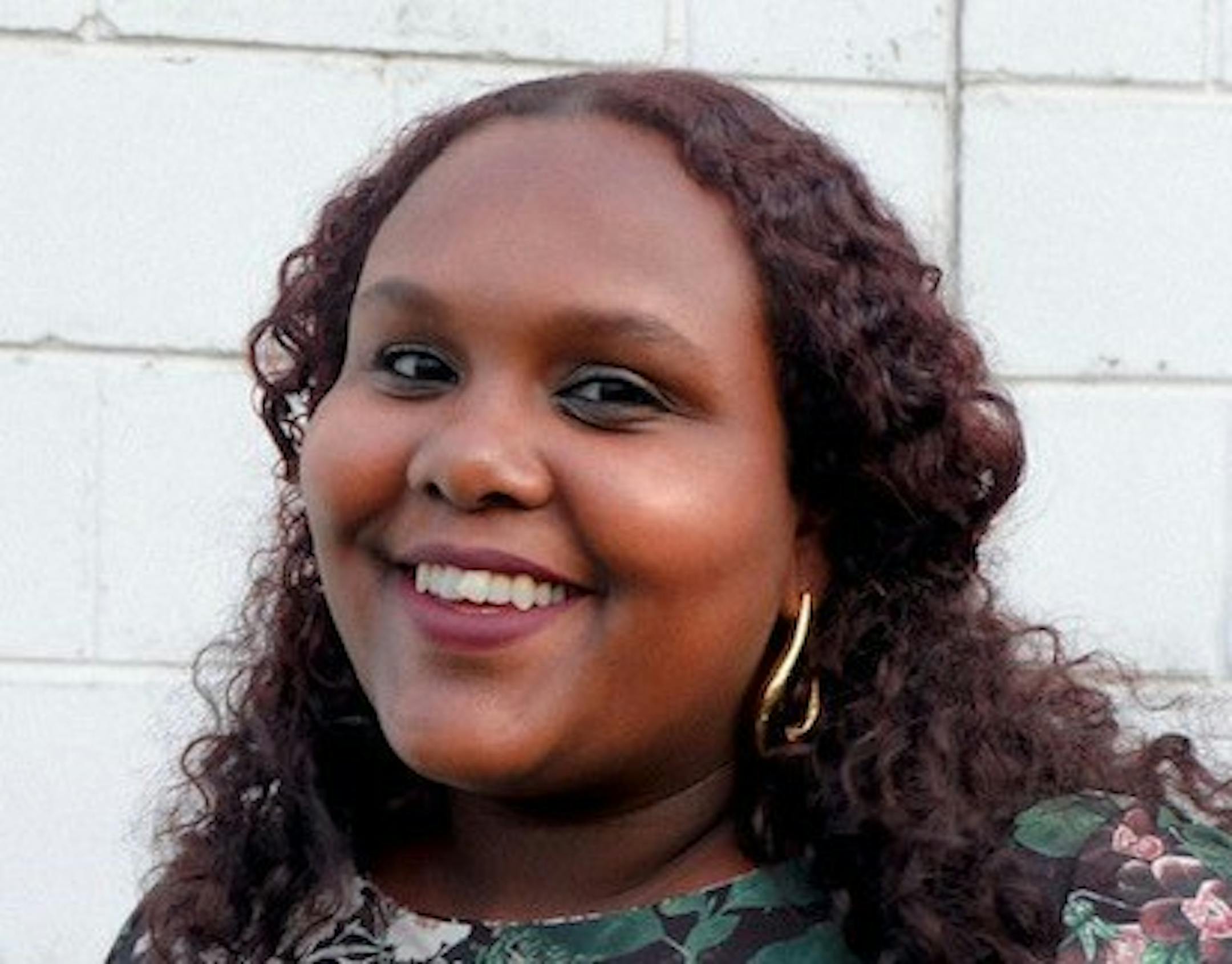
Biiftuu Adam's first days as the Minnesota Bureau of Criminal Apprehension's first-ever liaison to families of people who died in police encounters came amid the March outbreak of COVID-19 in the state.
The global pandemic forced Adam to conduct the highly personal and intimate work of consoling and informing traumatized families using remote technologies. Then, just two months later, George Floyd died under the knee of a Minneapolis police officer — sparking an international outcry and renewed focus on police brutality.
Adam's hiring marked the first time the BCA added a "victim, family and community relations coordinator" focused on civilian deaths by police. The state law enforcement agency put out a call for applications for the position last year — one of the first tangible initiatives to come out of a monthslong working group convened by the Department of Public Safety and the Attorney General's Office.
In an illustration of what can happen in just several months, Minnesota Attorney General Keith Ellison is now leading the prosecution in one of the state's highest-profile police brutality cases.
Meanwhile, Adam is trying to establish a new way to help families navigate the legal system and grieve at the same time.
Adam describes her role as a point person for families throughout the legal process. But she also offers emotional support and a lifeline to other services that may be needed.
"Oftentimes this is the first time that they are experiencing this trauma, and they really need to rely on me or other criminal justice professionals," said Adam, who has worked with victims of sexual assault and gun violence.
Her work with Floyd's family has been limited because most of his relatives live out of state.


