

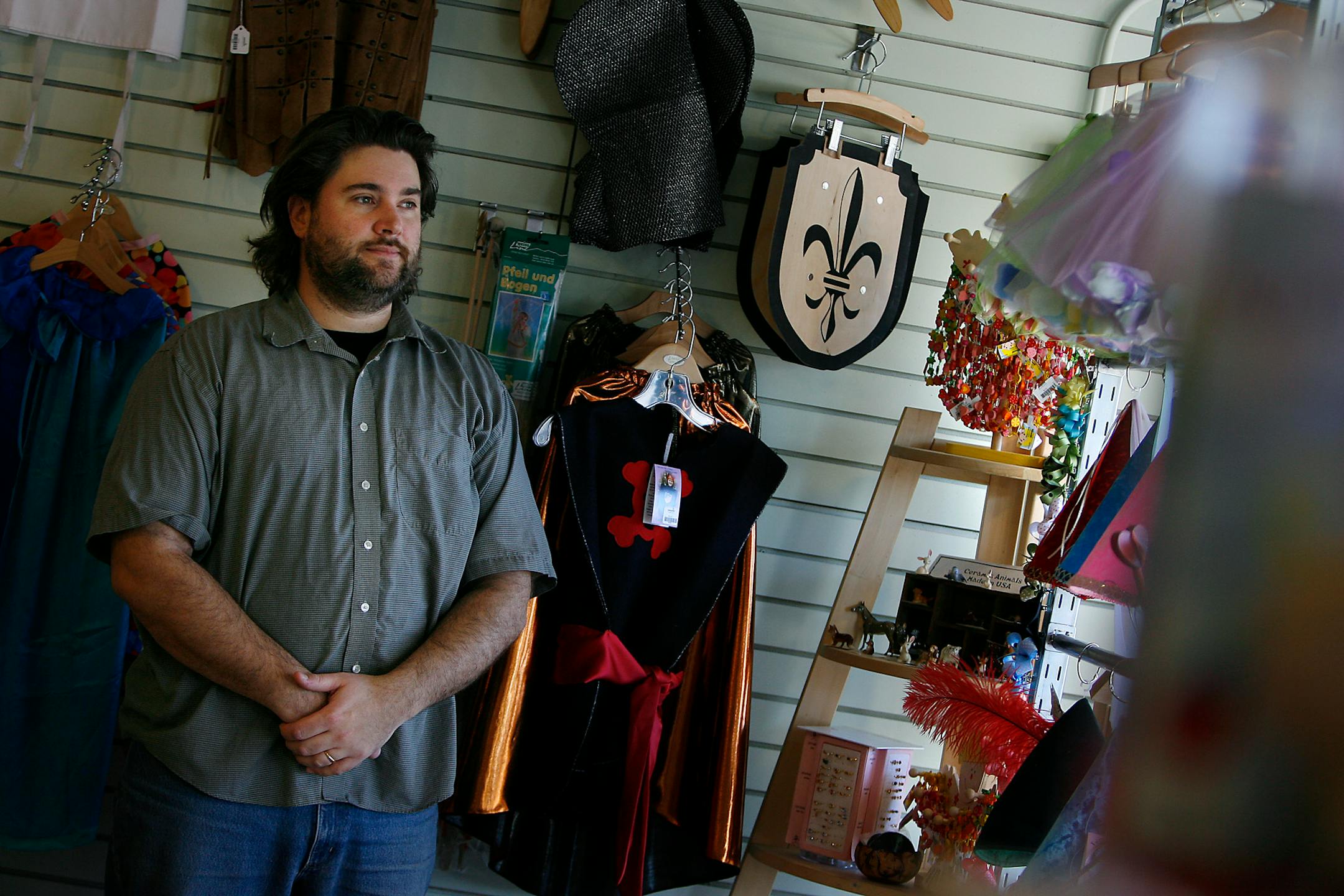
WASHINGTON - When Dan Marshall opened his Peapods Natural Toys and Baby Care store in St. Paul a decade ago, his dream was to provide alternatives to cheap, mass-produced toys crowding the market. He sells natural cloth blankets along with trucks, trains, toy blocks and art easels made of wood rather than plastic.
But new government regulations could damage Marshall's dream, and that of others involved in creating and marketing unique and often handmade toys.
Federal legislation passed in response to recalls of millions of toys over the past two years could have the unintended consequence of imposing unaffordable costs on the independent, cottage-industry toymakers Marshall buys from. Already struggling through a punishing recession, those toymakers may be hard-pressed to manage the new costs.
The law, championed by Sen. Amy Klobuchar after the death of a Minnesota toddler who swallowed a Chinese-made charm composed almost entirely of lead, goes into effect Feb. 10. Among other things, it sets strict limits for lead in any toy or children's product sold after that date. It forces manufacturers to prove that each product line, new or existing, is in compliance.
Not for the little guys
The problem, industry advocates say, is that the requirements were designed with large-scale foreign manufacturers in mind, and aren't feasible for small companies.
Marshall, who also founded a coalition of alternative toymakers called the Handmade Toy Alliance (HTA), said independent testing of toys and products costs the businesses in his group anywhere from a few hundred dollars to $4,000 per product.
"If you happen to make 40 different products, which isn't unusual for a small business to diversify their offerings, you multiply that cost ... and it can be a substantial cost just to prove you're in compliance," he said. "These are people crocheting baby hats or making teddy bears out of recycled sweaters out of their living rooms. They're only making their product in small batches."


