

DFLers who said they could create a high-tech alternative to photo identification at the polls that would preserve voter access now say they may not be able to deliver on that compromise solution anytime soon.
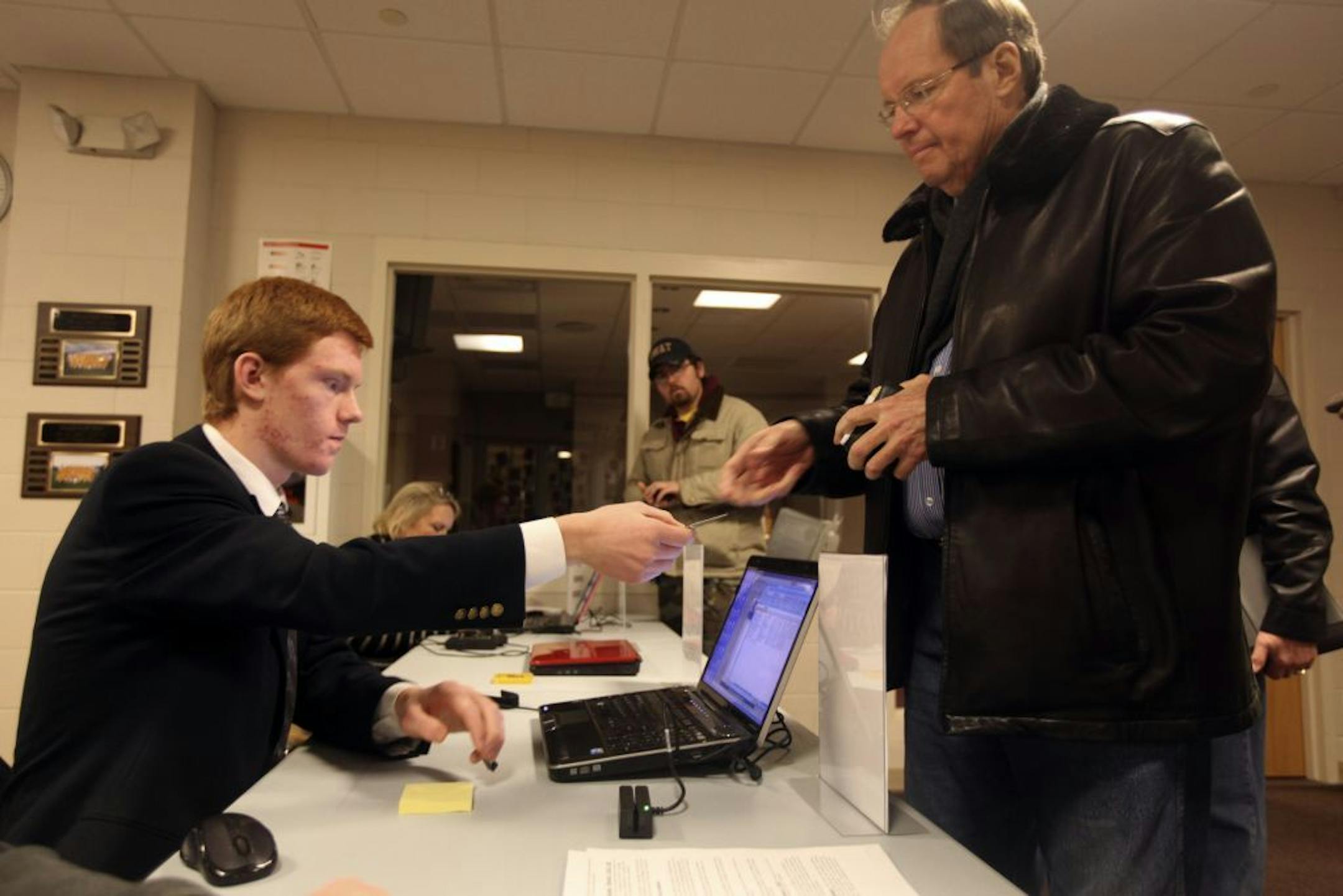
Instead, five cities will feature laptops, tablets and license-swiping readers at their municipal elections this fall as a test of new voting technology — without photo identification as part of the pilot project. Officials will keep studying whether the computer offers a digital compromise between those who believe a strict photo ID component is needed and those who worry that such requirements will suppress the votes of poor, elderly and absentee voters.
"You have to crawl before you could walk," said Rep. Steve Simon, DFL-Hopkins, who chairs the House Elections Committee, referring to the limited nature of this year's technological test.
In the midst of last year's photo ID fight, DFL leaders who opposed the requirement promoted a new generation of "electronic pollbooks" as a potential middle ground. Secretary of State Mark Ritchie said a system that identified voters using already-existing ID card photos, with election judges taking photos on the spot when necessary, could be established quickly and cheaply. Gov. Mark Dayton and others endorsed the plan.
Voters defeated the photo ID constitutional amendment last November and turned control of the Legislature over to the DFL, whose members opposed photo ID. The pollbook fix was studied and discussed this past year, but it turned out to be more difficult than previously believed. Problems with photos in the state's ID system, the ability of computer networks to talk to each other and concerns about the delay involved in taking photos at the polls all worked against implementing the plan Ritchie and Dayton proposed, officials said.
An elections bill passed this year with support of both parties — a far cry from the 2012 voting battle — referred the issue to an "Electronic Roster Task Force" chaired by Ritchie and comprised of legislators, election officials, state information and driver and vehicle services officials. They are to study and report back to the Legislature on incorporating photos into an electronic pollbook or roster at the precinct, along with other issues related to election technology.
Problems with the photos
Ritchie was out of the office and unavailable for comment. Beth Fraser, Deputy Secretary of State, said Ritchie still supports the photo-pollbook concept, but has learned that there are problems with the photographs on file with the state Driver and Vehicle Services division. Ritchie will chair the task force and "is glad that the task force will have the opportunity to fully explore these issues," Fraser said.
The cities of St. Paul, Minnetonka, St. Anthony, Moorhead and Dilworth were selected to try out new technology from a number of vendors, including the Minnetonka-based Datacard Group. Selected precincts in these communities will use laptops and tablets to check in preregistered voters and serve others who are registering on Election Day. Having unregistered voters swipe ID cards, which inputs personal information into the system, could save data-entry time at the polling place and back at the county office.


