

DUBAI, United Arab Emirates – Saudi Arabia put into effect a sweeping new counterterrorism law Sunday that human rights activists say allows the kingdom to prosecute as a terrorist anyone who demands reform, exposes corruption or otherwise engages in dissent.
The law states that any act that "undermines" the state or society, including calls for regime change in Saudi Arabia, can be tried as an act of terrorism. It also grants security services broad powers to raid homes and track phone calls and Internet activity.
Human rights activists were alarmed by the law and said it is clearly aimed at keeping the kingdom's ruling Al Saud family firmly in control amid the demands for democratic reform that have grown louder since the Arab Spring protests that shook the region in 2011 and toppled longtime autocrats.
Saudi activist Abdulaziz al-Shubaily called the law a "catastrophe." And Human Rights Watch researcher Adam Coogle warned: "The new law is draconian in spirit and letter, and there is every reason to fear that the authorities will easily and eagerly use it against peaceful dissidents."
The measure was approved by the Cabinet on Dec. 16 and ratified by King Abdullah. It was published in its entirety for the first time on Friday.
The Saudi minister of information, Abdel Aziz Khoja, said the legislation strikes a balance between preventing crimes and protecting human rights under Islamic law.
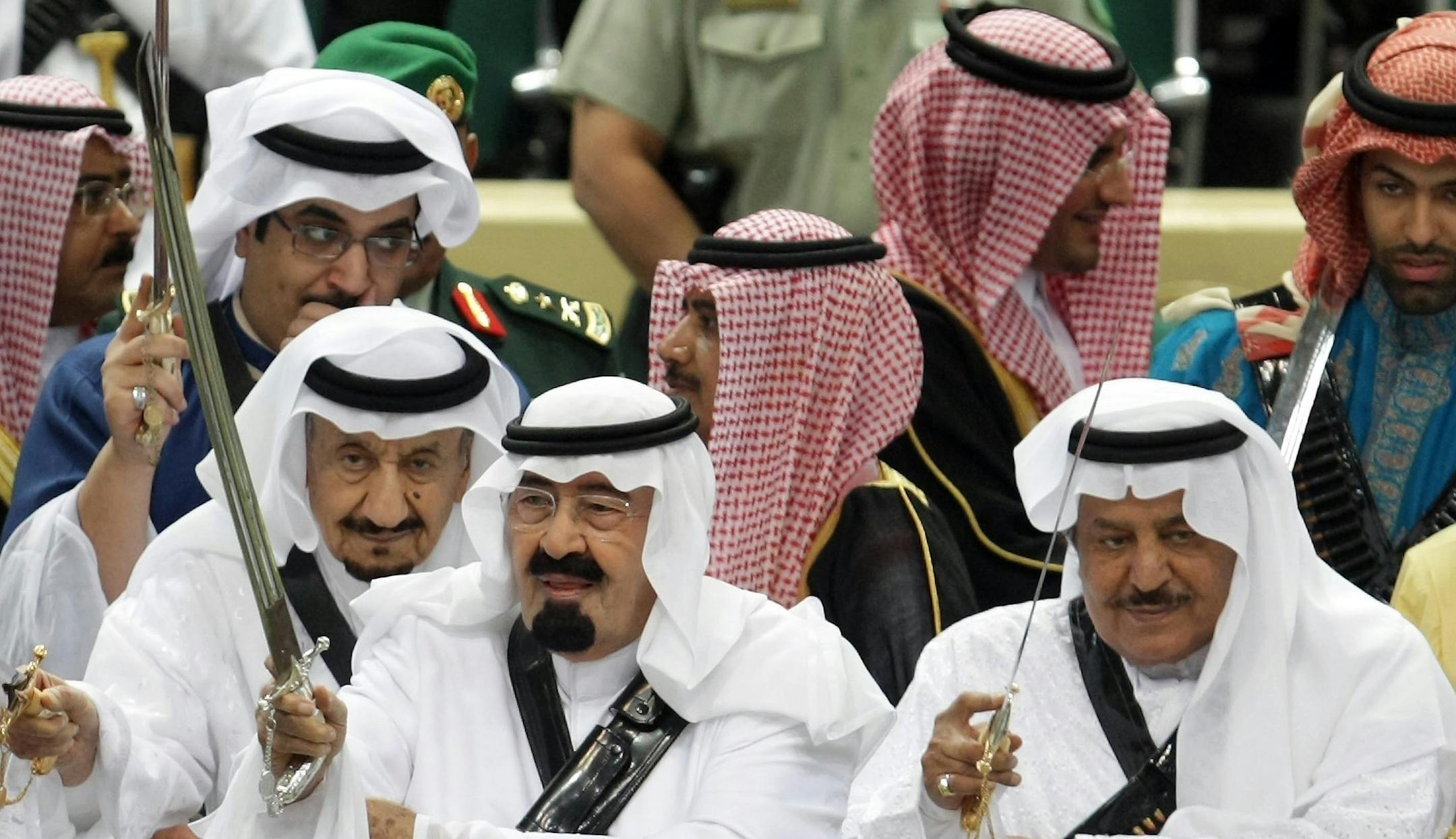
Saudi Arabia is one of the world's last absolute monarchies. All decisions are centered in the hands of 89-year-old King Abdullah. There is no parliament. There is little written law, and judges have broad leeway to impose verdicts and sentences.
An attempt to pass a similar counterterrorism law in 2011 was shelved after rights groups in Saudi Arabia and abroad leaked a copy online.


