

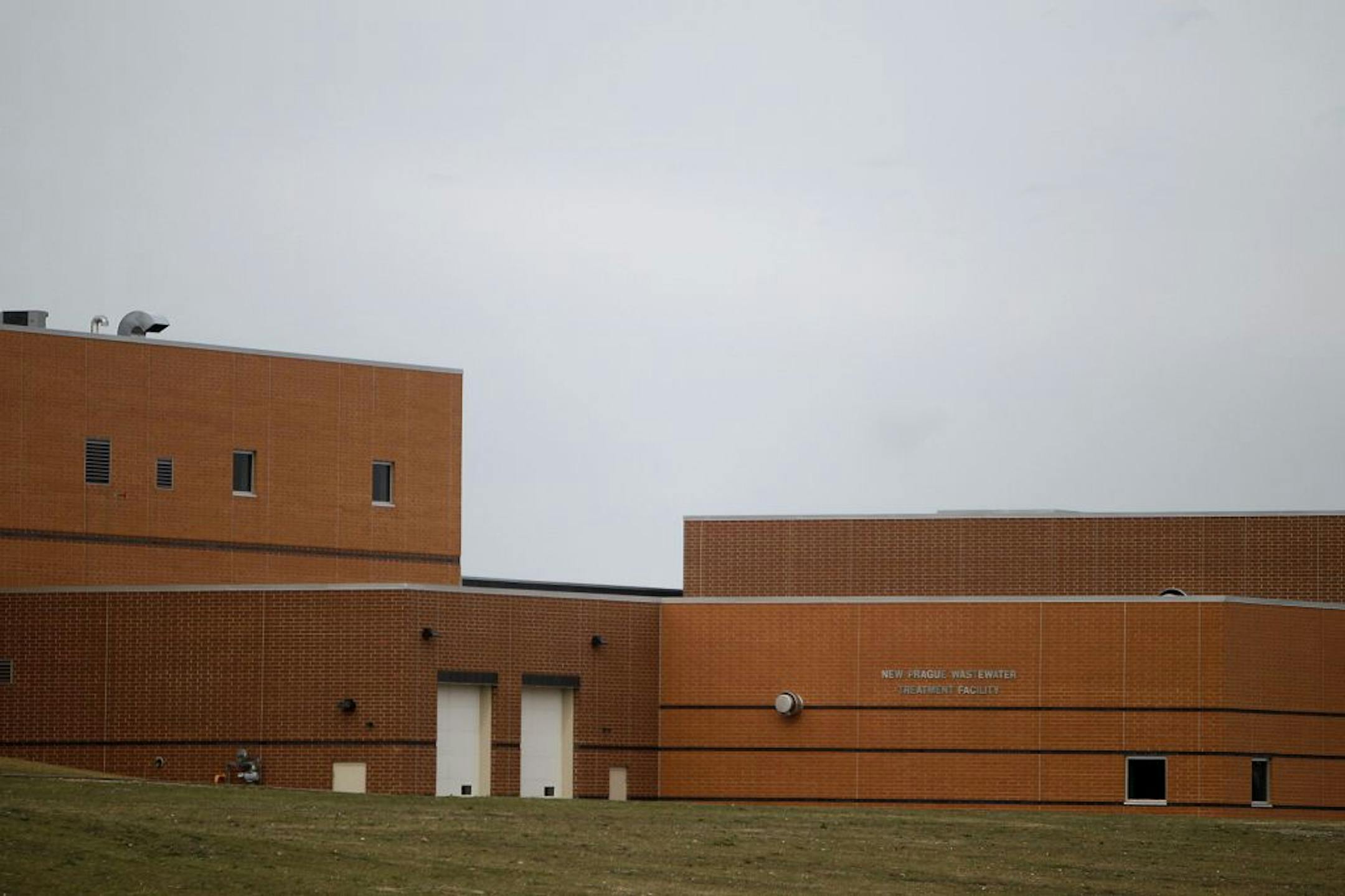
The "severe financial hardship" caused by New Prague's investment in a costly new sewer plant just as its growth was about to tank is reason enough to refinance its loan, a state agency has decided.
A few t's remain to be crossed before the deal is final. But the move marks a key turning point in a prolonged process that started with a jolt of environmental idealism: A small town would bring in seldom-used but state-of-the-art technology.
As it turned out, the timing couldn't have been worse. The housing market collapsed amid a severe jump in gas prices, and exurban communities with long commutes that had seen boom times for years were left exposed.
Here's a backgrounder on the pickle in which the city found itself, and the solution:
Boom, then bust
Planning for the new $30 million plant took place as the pace of new building permits was doubling, from 65 housing units in 2001 to 126 in 2005. By the time the loan came through, though, it was 2008, and the number of new units for the entire calendar year had plummeted to just six. The figure was to bump along at about that same low for years to come.
That meant a town of about 7,400 built a plant sized for about 11,000 and expandable to 16,000. That's the size the city was then expected to reach by 2030, but today even 11,000 seems ambitious.
The city had chosen a pricey option, but an admirable one. The technology was imported from Europe and has been adopted by jurisdictions with strong environmental ethics: The college towns of Northfield and St. Peter, and the casino-rich Shakopee tribe.


