NEW ORLEANS – A decade ago, the nation reeled in horror as if Hurricane Katrina were the end of times.
My take, from reporting in New Orleans then and now, is that the city has so much history, exuberance and sense of place that it has swallowed one of the nation's deadliest storms as no more disagreeable than crawfish late in season.
Obviously that's not entirely so. Many died, and most of the living haven't returned.
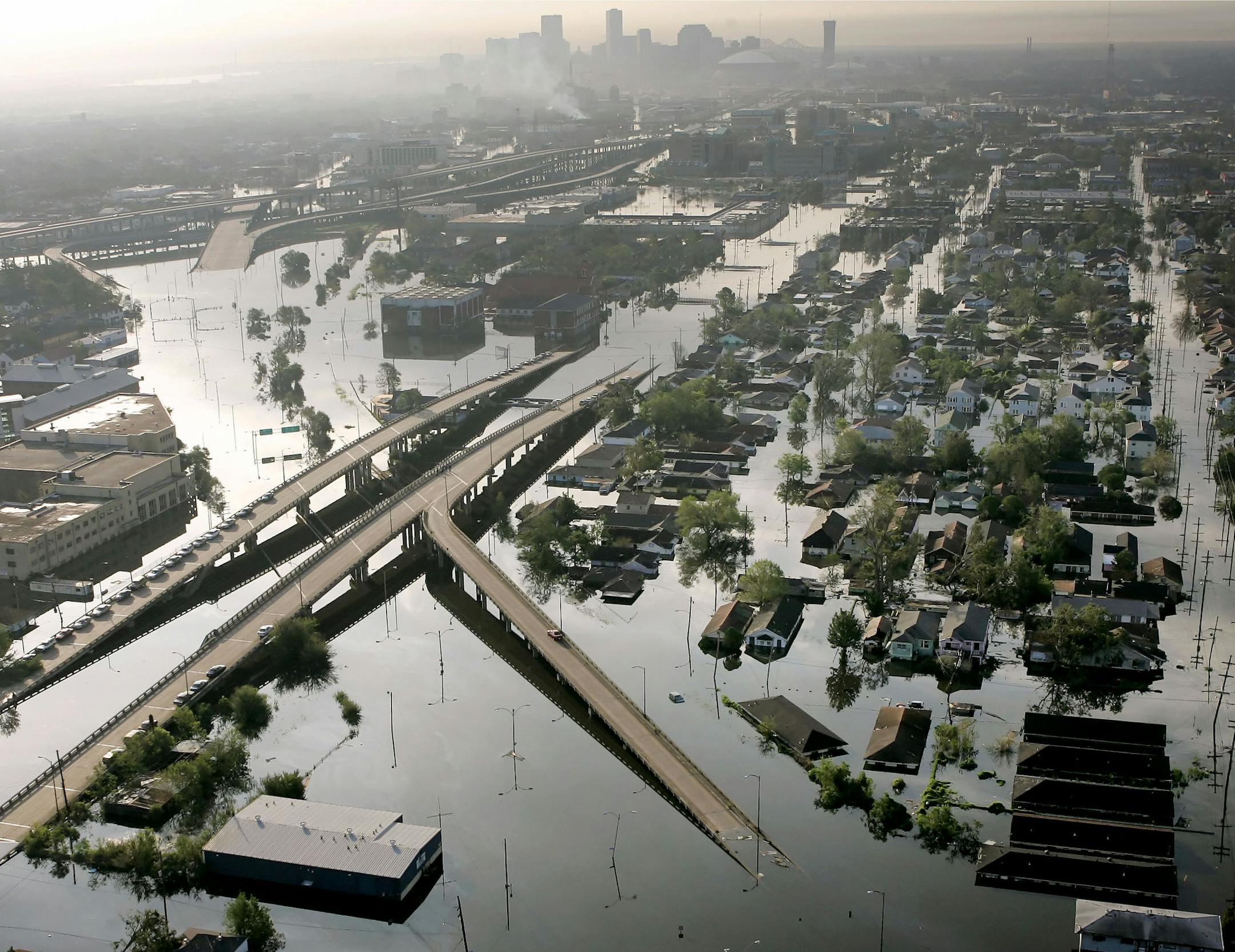
Katrina hit on Aug. 29, 2005, breaching canals and leaving 80 percent of the city flooded, survivors riding rooftops and the dead tangled in trees.
Helicopters thumped through nights blackened by total outages. Cops slashed through the neighborhood, spraying headlights everywhere but stopping nowhere.
My stories described a haunted city, alleged rapes and bold looting. Now the city's population is rebounding. Murders are down and tourism is up.
But a tourist with patience can tease out Katrina despair.
"If you talk to somebody for 15 minutes, it will come up," said Brian Alexander, 33, a professional canvasser. "There's definitely before-Katrina and after-Katrina narrative."